



Sump Pumps in Ellicott City, MD
Sump pumps protect basements from water intrusion, preserve finished spaces, and prevent costly mold and structural damage. In Ellicott City, MD, where steep terrain, high water table pockets, and a history of intense storm and flash flooding increase basement flood risk, a properly selected, installed, and maintained sump pump is essential. At Tario HVAC, we handle sump pump installation, repair, and maintenance tailored to Ellicott City homes. We'll help you compare primary and battery-backup systems, guide pump selection based on basement size and drainage needs, outline installation steps and waterproofing integration, and cover alarm, monitoring, seasonal maintenance, and emergency replacement options.
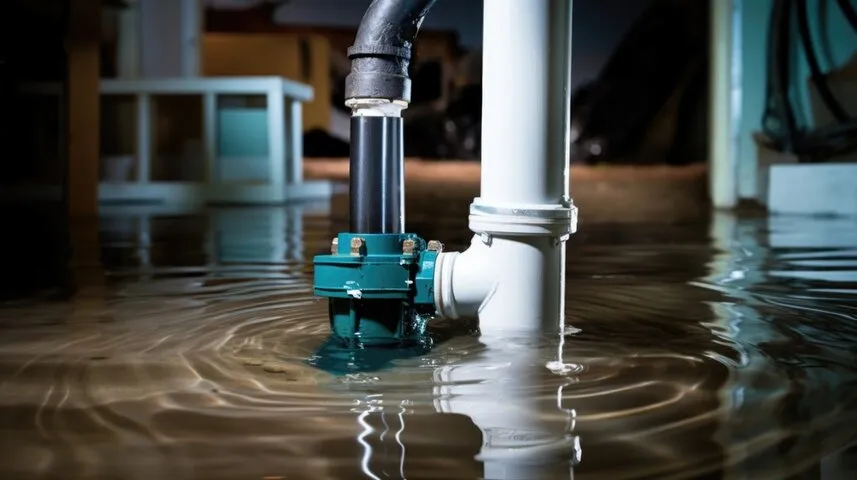
Common Sump Pump issues in Ellicott City homes
- Power outage vulnerability: Storm-related outages are common during heavy rains; without battery backup a primary pump can fail when it is needed most.
- Clogged pits and pump intakes: Sediment, roots, and construction debris can clog sump pits, causing the pump to run dry or overheat.
- Float switch failure: Sticking or tangled floats prevent the pump from activating or turning off properly.
- Insufficient capacity: Undersized pumps can be overwhelmed by rapid inflow during intense storms common in the region.
- Frozen or blocked discharge lines: Winter freeze and backpressure can block discharge, causing backups into the pit.
- Age and motor wear: Typical sump pump life is 5 to 10 years depending on duty cycle; older units fail more often.
Choosing the right sump pump for your basement
Selecting the correct pump depends on basement size, expected inflow, and site conditions unique to Ellicott City properties.
Key factors to evaluate:
- Pump type: Submersible pumps sit inside the pit and handle solids better with quieter operation, suited to finished basements and high inflow. Pedestal pumps have the motor above the pit and are easier to service but are less ideal where debris or frequent heavy pumping is expected.
- Horsepower and flow rate: Match pump GPH (gallons per hour) at the expected head (vertical lift) to peak inflow estimates. For basements subject to flash flooding or heavy perimeter drain outflow, choose a higher GPH rating.
- Battery backup: A battery-backup or water-powered backup provides protection during power loss. Consider a backup that runs long enough to cover likely outage durations after major storms.
- Pit size and liner: A larger pit and liner reduce cycling frequency and allow room for larger pumps and float movement.
- Check valves and pipe diameter: Properly sized discharge piping and reliable check valves prevent re-entry into the sump and improve pump efficiency.
- Waterproofing integration: If tied to a perimeter French drain, ensure the pump and pit are sized to accept the full expected drainage.
Installation process and integration with basement waterproofing
A correct installation protects the pump, extends life, and integrates seamlessly with basement waterproofing systems.
Typical installation steps:
- Site assessment: Evaluate basement grade, foundation drains, soil conditions, expected inflow, and available discharge routes. Local Ellicott City soil conditions and flood history inform capacity and routing decisions.
- Excavate pit and install liner: Cut the pit to the recommended diameter and depth, set a stable base, and install a durable sump liner.
- Install pump and float assembly: Mount the pump securely with the float free to move. Adjust activation points so the pump cycles infrequently but keeps water below the critical level.
- Connect discharge piping and check valve: Use properly sloped, insulated, and anchored piping sized to pump output, with a high-quality check valve to prevent backflow. Include freeze protection and an air gap at the terminus if required by local code.
- Tie-in with perimeter drain or French drain: Route foundation drainage into the sump pit when part of a basement waterproofing strategy. Ensure the sump and pump capacity match the expected volume from the waterproofing system.
- Test and document: Perform load testing, simulate high inflow, and record operating points and voltages for future maintenance.
Installation should follow local building codes and stormwater regulations; permitting and discharge restrictions may apply in certain areas of Ellicott City.
Alarm and monitoring options
Modern alarm and monitoring systems add early warning and remote visibility to sump protection.
Options include:
- Audible float alarms: Basic battery-powered alarms activate if water reaches a dangerous level.
- Battery-backup system alarms: These monitor backup battery health and alert when backup engages or battery voltage falls.
- Smart Wi-Fi or cellular monitors: Remote alerts via phone, email, or SMS for pump run time, failure, power loss, or high-water events; useful for homes unoccupied during storms.
- Multiple sensors: Additional floor or perimeter sensors detect seepage outside the pit, providing early detection of basement intrusion.
In a flood-prone area, pairing a primary pump with a monitored backup system gives both redundancy and situational awareness.
Seasonal maintenance plans for Ellicott City homes
Regular maintenance prevents failures and extends pump life, especially in climates with heavy spring rains and freezing winters.
Recommended schedule:
- Monthly quick checks: Inspect discharge above ground, listen for abnormal noise, and visually confirm the pump cycles normally.
- Spring service: Full inspection after freeze/thaw and heavy rain season; clean pit, remove sediment, test check valve, and verify discharge is clear.
- Fall service: Prepare for winter by insulating exposed discharge lines, test battery backup, and confirm alarm functionality.
- Annual professional inspection: Motor amperage check, float and switch replacement if worn, and full system diagnostics. Documented service records are useful for insurance and resale.
Services included in seasonal plans typically cover cleaning, component testing, battery replacement recommendations, and prioritized diagnostics after storms.
Emergency replacement and repair services
Signs that demand immediate action include continuous running, failure to start, unusual grinding or humming, rising basement water, or a nonfunctional backup during a power event. Emergency responses usually involve rapid diagnostics, temporary pumping solutions (portable pumps), and expedited replacement with a correctly sized pump and controls. For homes affected by sudden storms or flash flooding, timely replacement and secure discharge routing can prevent repeat damage.
Frequently a replacement includes upgrading to a larger-capacity unit, installing or replacing battery backup, and ensuring integration with the homeowner's waterproofing strategy.
Q: How long will a battery-backup sump pump run during a power outage?
A: Run time depends on battery capacity and pump draw; small systems may run a few hours while appropriately sized battery banks for frequent outages can run 8 to 24 hours under intermittent cycling. Usage patterns and pump duty significantly affect duration.
Q: What is the difference between submersible and pedestal pumps?
A: Submersible pumps sit in the pit, handle solids and high flow better, and are quieter. Pedestal pumps have the motor above the pit for easier access but are more susceptible to clogging and are typically used where debris is minimal.
Q: How often should I replace my sump pump?
A: Typical life is 5 to 10 years depending on usage. High-cycle units in flood-prone basements may need replacement near the lower end of that range. Annual inspections help determine remaining life.
Q: Can a sump pump discharge to the street or storm sewer in Ellicott City?
A: Local regulations vary; many municipalities restrict direct discharge or require specific termination points and backflow prevention. Confirm local code requirements before finalizing discharge routing.
Q: What does integration with basement waterproofing involve?
A: Integration usually ties perimeter French drains or footing drains into the sump pit so all foundation water is collected and pumped out, requiring proper sump sizing, pump capacity, and coordinated installation to handle combined inflow.
Q: What should I do if my pump runs but does not remove water?
A: Possible causes include clogged intake, failed impeller, stuck float switch, broken check valve causing short cycling, or insufficient pump capacity. Immediate inspection, cleaning, and diagnostics will identify the root cause and whether repair or replacement is necessary.

Service areas
