


Sump Pumps in Eldersburg, MD
Sump pumps are crucial for protecting Eldersburg, MD homes from basement flooding and water damage. With humid summers, heavy spring storms, and rapid snowmelt, your home's drainage can easily be overwhelmed. That's why Tario HVAC emphasizes a properly selected and maintained sump pump as one of your best defenses against costly interior water damage. We offer comprehensive sump pump installation, repair, and maintenance services tailored to Eldersburg homes, including expert advice on model choices, battery backup, alarm options, and flood prevention strategies.
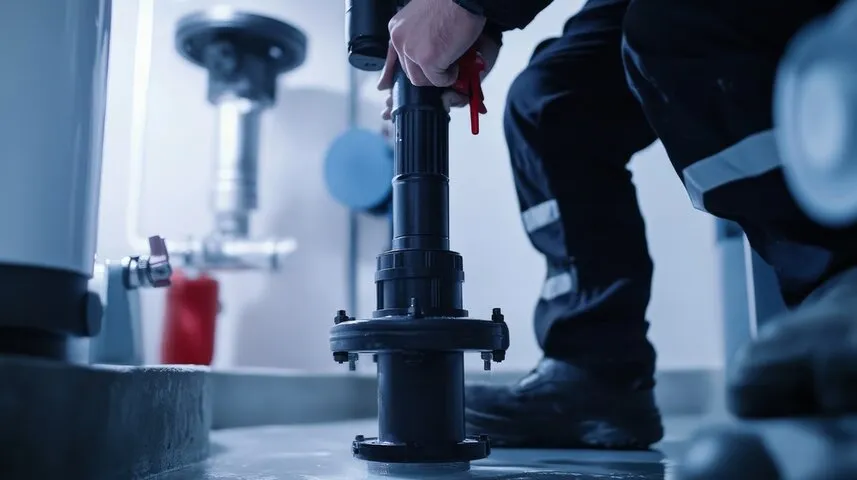
Common Sump Pump services in Eldersburg, MD
- Sump pump installation - Sizing the pump, creating or modifying the sump pit, installing discharge piping and check valves, and ensuring proper pit cover and float clearance.
- Sump pump repair - Diagnosing motor or switch failures, replacing impellers, fixing clogged discharge lines, and resolving check valve issues.
- Routine maintenance - Annual or semiannual inspections, cleaning the pit, testing the float switch, and verifying discharge function.
- Battery backup systems and alarms - Installing battery backups for power outages, combination battery and water-powered backups, and audible/visual alarm systems.
- Emergency replacement - Rapid assessment and swap-out for failed pumps during active leaking or storm events.
- Flood prevention consulting - Site-specific recommendations such as grading improvements, gutter/downspout management, and perimeter drainage to reduce basement water intrusion.
Pump sizing and selection
Selecting the right pump for your Eldersburg home depends on volume and lift requirements:
- Flow rate (GPH) - Measured in gallons per hour at a given lift. Homes with frequent heavy runoff need higher GPH pumps.
- Horsepower (HP) - Common residential sizes range from 1/3 HP to 1 HP; larger basements or higher lifts require more horsepower.
- Vertical lift and horizontal run - Calculate total head (vertical lift plus friction from pipe length) to ensure the selected pump can move water effectively to the discharge point.
- Float switch type - Piggyback, vertical, or tethered floats affect responsiveness and how much water triggers the pump.
- Check valve - Prevents backflow and reduces cycling; correctly sized and installed check valves extend pump life.
Choosing the wrong pump leads to short cycling, overheating, or inability to keep up during peak runoff common in the region.
Pedestal vs submersible models
- Submersible pumps
- Pros: Quieter, more powerful for the same size, enclosed motor stays cooler, better for deep pits.
- Cons: More expensive to replace; require a dry well or pit designed for submersible use.
- Pedestal pumps
- Pros: Easier and cheaper to service since the motor is above the pit; often lower upfront cost.
- Cons: Louder, less durable for continuous heavy use, and motor exposed to basement conditions.
For many Eldersburg basements, submersible pumps are preferred because they handle higher flow rates and are less conspicuous; pedestal pumps remain a valid option in shallow pits or where ease of service is a priority.
Battery backup systems and alarm options
Power outages often coincide with storms that produce the most runoff. A battery backup sump pump system provides operation when grid power fails. Typical setups include:
- Battery backup pump that runs automatically when the primary pump loses power.
- Combination systems that use a battery backup pump plus a water-powered backup for extended outages.
- Alarms that provide audible and visual alerts for high water, pump failure, or backup activation.
In Eldersburg, where storm-related outages happen seasonally, battery backups reduce the risk of basement flooding during the worst conditions.
Common failure signs
Watch for these indicators that your sump pump needs attention:
- Constant or frequent cycling (short cycling)
- Unusual grinding, screeching, or humming noises
- Pooling water in the basement floor or around the pit
- Visible rust, corrosion, or oil in the pit water
- Pump runs but fails to discharge water — possible clogged line or failed impeller
- Motor does not run at all — electrical issue or burned-out motor
Addressing these signs early prevents damage to flooring, walls, and stored belongings.
Routine testing and maintenance checklist
Perform these checks at least twice a year, and before forecasted storm seasons:
- Inspect the pit and remove debris, sediment, or gravel.
- Test the float switch by lifting it to ensure the pump starts and shuts off properly.
- Pour a bucket of water into the pit to confirm the pump activates and fully drains the sump.
- Check the discharge line and clear any clogs; ensure the discharge point is unobstructed and directed away from the foundation.
- Verify the check valve orientation and operation to prevent backflow.
- Inspect the power supply and backup battery condition; replace batteries per manufacturer recommendations.
- Listen for unusual noises and verify the pump’s cycle frequency for signs of wear.
Flood prevention strategies for Eldersburg homes
Sump pumps are one part of a broader flood prevention plan:
- Maintain gutters and downspouts; extend downspouts at least several feet from the foundation.
- Regrade soil away from the foundation to promote surface drainage.
- Install or maintain French drains or curtain drains to intercept groundwater.
- Seal foundation cracks and install proper interior or exterior waterproofing where needed.
- Avoid directing landscape irrigation or pool backwash toward the foundation.
Combining these measures with a reliable sump pump minimizes the chances of interior flooding.
Expected service life and warranties
Typical residential sump pumps last:
- Submersible pumps: 7 to 10 years with proper maintenance.
- Pedestal pumps: 5 to 10 years depending on usage and conditions.
Factors that shorten life include excessive cycling, grit and sediment in the pit, and power interruptions that strain the motor. Warranties vary by manufacturer; basic warranties often cover 1 to 3 years while upgraded or commercial-grade models can carry longer terms. Keep records of maintenance and installation dates to validate claims.
Emergency replacement procedures
When a pump fails during active flooding, the priority is stopping water intrusion quickly:
- Isolate the problem: determine if power, float switch, or mechanical failure is the cause.
- Temporary measures: use portable pumps, wet vacs, or siphoning to remove water and reduce immediate damage.
- Full replacement: remove the failed unit, clean the pit, verify discharge piping and check valve integrity, and install a right-sized replacement with proper electrical and pit cover safeguards.
- Post-replacement testing: run the new pump through several test cycles and confirm backup systems and alarms are operational.
Emergency replacements are performed with speed and focus on preventing additional interior damage.
Why prompt, professional sump pump care matters?
Timely installation, regular maintenance, and appropriate backup systems reduce flood risk, protect property value, and extend pump life. In Eldersburg, MD, where seasonal storms and heavy precipitation can stress home drainage systems, selecting the correct pump, keeping it maintained, and integrating backup solutions are practical, cost-effective ways to protect basements and lower levels from water damage.
Q: How often should I test my sump pump?
A: Test your sump pump at least twice a year and before heavy storm seasons by pouring water into the pit and verifying activation, cycling, and discharge.
Q: Should I choose a submersible or pedestal sump pump?
A: Choose submersible pumps for quieter operation and higher capacity in deep pits; pedestal pumps are easier to service and may suit shallow pits or intermittent use.
Q: Are battery backups necessary in Eldersburg?
A: Battery backups are strongly recommended because power outages often occur during storms when sump pumps are needed most.
Q: What are signs my sump pump needs repair or replacement?
A: Frequent short cycling, strange noises, failure to discharge water, rust or oil in the pit, or the motor not running are all signs that service is needed.
Q: How long do sump pumps typically last?
A: Submersible pumps generally last 7 to 10 years; pedestal pumps 5 to 10 years, depending on usage, maintenance, and local conditions.

Service areas