

Sump Pumps in Dundalk, MD
Sump pumps protect homes from basement flooding, foundation damage, and the long-term effects of moisture. In Dundalk, MD, where coastal influences, a high water table, and frequent heavy rain events increase flood risk, a properly selected, installed, and maintained sump pump is essential for protecting your property. Tario HVAC is here to explain our sump pump installation, replacement, and repair services, help you recognize signs of failure, discuss system options (including battery backup), ensure correct sizing and pit preparation, provide seasonal maintenance advice, offer flood-prevention strategies, provide emergency replacement solutions, and outline common warranty terms — all tailored to Dundalk homes.
Why Sump Pumps matter in Dundalk, MD
- Dundalk’s proximity to tidal waters and low-lying neighborhoods can create higher groundwater and basement seepage.
- Intense summer storms and nor’easters increase the chance of rapid runoff and local flooding.
- A well-designed sump system minimizes water-related structural damage, mold risk, and costly repairs.
Common sump pump issues in Dundalk, MD
Homeowners in Dundalk report recurring problems that indicate service is needed:
- Pump won’t start — often caused by power loss, tripped circuit breaker, or a failed motor.
- Pump runs continuously — suggests high inflow, a failing float switch, or incorrect pump sizing.
- Short cycling (rapid on/off) — usually from a stuck float, improper pit size, or a failing pressure switch.
- Noisy operation or grinding — bearings or impellers are worn.
- Visible corrosion or leaks — salt air and humidity can accelerate corrosion in coastal areas.
- Improper discharge or backflow — missing or faulty check valve allows water back into pit.
Types of services provided
- Installation — new sump pump systems, pit construction or retrofit, discharge line routing, and check valve installation.
- Replacement — upgrade from pedestal to submersible, swap to higher capacity units, or add backup systems.
- Repair — motor replacement, float/float-arm repair, check valve replacement, and electrical troubleshooting.
- Battery-backup and combo systems — install battery or generator-backed backups to maintain protection during power outages.
- Emergency replacement — rapid response replacement and temporary pumping solutions when a failure occurs during storms.
- Maintenance contracts — scheduled inspections, testing, and seasonal tune-ups.
Diagnostic and installation process
- Inspect the pit, pump, float mechanism, discharge routing, and check valve.
- Test electrical supply, circuit protection, and GFCI if present.
- Measure pit dimensions, static water level, and estimate inflow during storms.
- Recommend pump type and size based on head height (vertical lift required) and required flow (GPM).
- Prepare pit: clean, level, add drainage gravel if needed, and install a secure, vented cover to reduce humidity and odors.
- Install discharge line with appropriate slope, secure check valve, and daylight or tie into approved storm system per local Baltimore County code requirements.
Choosing the right pump and sizing guidance
- Pump types
- Submersible pumps are quiet, sit inside the pit, and handle solids better.
- Pedestal pumps have the motor above the pit and are easier to service but louder.
- Sizing basics
- Pumps are rated by horsepower (HP) and GPM at a given head. For many Dundalk basements:
- Small areas or intermittent seepage: 1/3 to 1/2 HP may suffice.
- High-inflow scenarios or larger basements: 3/4 to 1 HP for higher GPM and longer runs.
- Calculate required flow by estimating how fast groundwater or storm runoff enters the pit; when in doubt, choose a pump with higher GPM at the expected head height.
- Battery backup options
- Battery-backed electric systems provide reliable operation during power outages; battery capacity determines runtime.
- Water-powered backups use municipal water pressure (not suitable if water supply is shut off).
- Dual-pump systems combine a primary electric pump with a secondary battery or engine-driven unit for redundancy.
Pit preparation and discharge best practices
- Pit diameter typically 18 inches or more; depth to accommodate pump height and float travel (commonly 24 to 30 inches).
- Use a concrete, plastic, or preformed basin set level on compacted gravel. Ensure the pump sits flat and the float moves freely.
- Install a check valve and a union on the discharge line for serviceability.
- Route discharge away from foundation and neighboring properties; avoid discharging onto a slope that will return water to the house. Follow Baltimore County/local codes for permitted discharge points.
Routine maintenance and seasonal checks
- Monthly: visually inspect the pit, remove debris, and confirm the float moves freely.
- Quarterly: test the pump by pouring water into the pit until the pump activates; listen for smooth operation.
- Before storm season and winter: inspect discharge line for blockages or frozen sections, verify check valve operation, and ensure the battery backup is charged and tested.
- Battery care: test monthly, load-test annually, and expect replacement every 3 to 5 years depending on usage.
- Service tips: keep area around pit dry, clear gutters and downspouts to reduce inflow, and change worn components promptly to avoid failures during storms.
Flood-prevention strategies for Dundalk homes
- Maintain proper grading away from foundation and keep gutters/downspouts clear and extended away from the house.
- Consider French drains or perimeter drain upgrades to reduce groundwater entering the pit.
- Install a sealed sump cover to reduce humidity and limit contamination from insects and odors common near coastal environments.
- Add redundant protection: battery backups, dual pumps, and properly sized discharge systems reduce risk during extreme events.
Emergency replacement and rapid response
Emergency situations require quick diagnostics and temporary measures:
- Portable pumps can be deployed immediately to control rising water while a permanent unit is installed.
- Temporary rerouting of discharge and use of sandbags or temporary barriers can protect valuables.
- When a pump fails during a storm, prioritize removing water, securing electrical safety, and installing a replacement sized for peak inflow conditions.
Warranties and what to expect
- Manufacturer warranties commonly cover parts and motors for 1 to 5 years depending on brand and model; some premium units offer extended coverage.
- Battery warranties vary; expect 1 to 3 years for standard batteries, longer for advanced battery systems.
- Workmanship warranties on installation may be offered separately and typically cover installation defects for a limited period.
- Warranty coverage can be voided by improper installation, lack of maintenance, running the pump dry, or corrosion from improper discharge materials. Keep records of maintenance and follow manufacturer recommended service intervals.
Q: How often should I replace a sump pump in Dundalk, MD?
A: Typical service life is 5 to 10 years depending on pump quality, usage frequency, and local conditions; high-use or corroded units may need replacement sooner.
Q: Do I need a battery backup for my Dundalk home?
A: Battery backups are strongly recommended in Dundalk due to storm-related power outages and high groundwater; they provide critical protection when primary power fails.
Q: What size pit do I need for a new pump?
A: A common minimum is an 18-inch diameter pit at 24 to 30 inches deep to allow proper pump and float clearance; larger pits are recommended for dual-pump systems.
Q: Will local codes affect where I can discharge my sump pump?
A: Yes. Follow Baltimore County and Dundalk/local regulations regarding discharge locations and permitted tie-ins to storm systems; improper discharge can result in violations.
Q: What immediate steps should I take if my pump fails during heavy rain?
A: Prioritize safety: avoid electrical hazards, use a portable pump if available, move valuables to upper floors, and secure temporary discharge routing while arranging replacement or repairs.

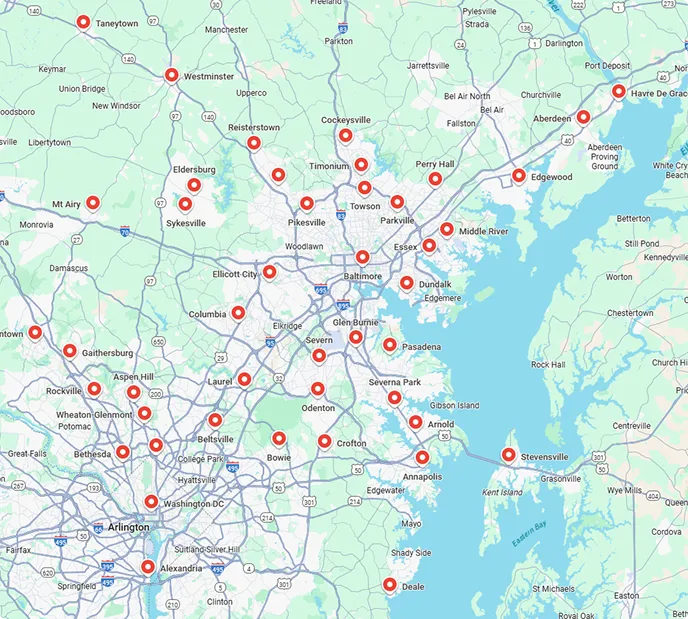
Service areas