



Sump Pumps in Cockeysville, MD
Basement water intrusion is one of the most damaging and costly problems a home in Cockeysville, MD can face. With spring rains, occasional coastal storm impacts, and freeze-thaw cycles throughout winter, proper sump pump selection, installation, and maintenance are essential to protect finished basements, furnace/utility areas, and stored belongings. At Tario HVAC, we provide comprehensive sump pump installation, replacement, and repair services tailored to Cockeysville homes. We cover how to choose and size systems, battery backup options for storm-related power loss, common failure signs, routine maintenance checks, flood-prevention strategies, winter preparedness, warranty expectations, and emergency service availability.
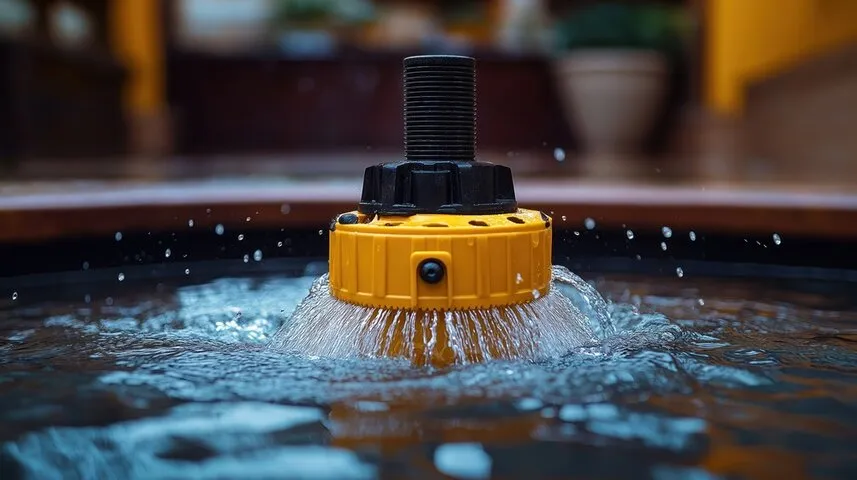
Why Sump Pumps matter in Cockeysville, MD
Cockeysville’s climate—wet springs, summer storms, and winter freezes—means basements can be vulnerable to seasonal water intrusion and high groundwater. Properties with clay soils, shallow bedrock, or older sump systems are especially at risk. A properly installed and sized sump pump system reduces the chance of structural damage, mold growth, and ruined personal property when heavy rain or rapid snowmelt occurs.
Common sump pump services
- Installation: Sump basin excavation, pump selection and placement, discharge piping and check valve installation, and connection to existing drainage.
- Replacement: Upgrading failed or undersized pumps to higher-capacity models, replacing corroded discharge lines, and installing modern check valves and alarms.
- Repair: Fixing motor failures, stuck floats, clogged intakes, seized impellers, float switch issues, and electrical or relay faults.
- Battery backup systems: Adding battery backup pumps or integrated battery backups for extended protection during power outages.
- Maintenance plans: Seasonal inspections, testing, cleaning, and component checks to reduce failure risk.
- Emergency services: Rapid response for unexpected pump failures or active basement flooding, including temporary water removal and emergency pumping.
Selecting and sizing a sump pump
Sizing a sump pump depends on the expected water inflow and discharge distance. Key factors include:
- Basement square footage and soil permeability
- Local water table level and proximity to storm drains
- Expected peak inflow during heavy rain events
- Vertical head (how high water must be pumped) and horizontal run length to discharge point
For Cockeysville basements prone to heavy inflow or long discharge runs, a pump with higher horsepower and higher flow rate (GPH at the required head) is advisable. Consider models with corrosion-resistant components for longevity in humid Maryland conditions.
Battery backup and redundant systems
Power outages often coincide with the heaviest storms. A battery backup sump pump or a dual-pump system provides critical redundancy:
- Battery backup: Kicks in automatically if the primary pump loses power, protecting during outages of several hours.
- Dual primary pumps: Two pumps in one basin, with different activation levels, provide continuous protection and reduce wear.
- Controller and alarms: Integrated systems can send alerts and show battery condition so you know when service is needed.
Battery capacity and maintenance are crucial in Cockeysville winters when outages may last longer—regular battery testing and replacement schedules keep systems reliable.
Common failure signs and diagnostics
Watch for these warning signs that a sump pump may be failing:
- Pump cycles very frequently or runs continuously
- Strange noises (grinding, rattling, or high-pitched motor sounds)
- Visible rust, corrosion, or sediment buildup in the basin
- Float switch sticking or not rising freely
- Water accumulation around the basement floor despite pump operation
- No power to the pump or tripped breakers
Diagnostics typically include visual inspection, float and switch testing, motor amp draw measurement, checking the check valve, clearing clogs in intake screens or discharge lines, and verifying pump performance under load.
Routine maintenance checks
Regular maintenance reduces emergency calls and extends pump life. Recommended checks for Cockeysville homes:
- Inspect and clean the sump basin twice a year, removing debris and sediment
- Test the pump by pouring water into the pit until it activates, verifying discharge flow
- Check and clean the intake screen and impeller area
- Inspect discharge piping for clogs, frozen sections in winter, and secured joints
- Test battery backup monthly during the wet season and replace batteries per manufacturer guidance
- Verify the check valve and float switch are operating freely
Seasonal maintenance ahead of spring rains and winter freezes is particularly important.
Flood-prevention strategies beyond the pump
A sump pump is one part of a comprehensive approach to reduce basement flooding:
- Ensure gutters and downspouts direct water at least several feet away from the foundation
- Grade soil away from the foundation to prevent pooling
- Install exterior French drains or interior perimeter drains where persistent seepage occurs
- Seal foundation cracks and recessed windows to limit entry points
- Add a sump pump alarm or moisture sensor system for early detection of problems
These measures combined with a reliable sump system reduce overall flood risk in Cockeysville basements.
Winter preparedness for Cockeysville homes
Cold temperatures can affect sump pump performance. Winter-specific steps include:
- Insulating exposed discharge pipes to prevent freezing
- Routing discharge to a downhill location or installing a heated line where freezing risk is high
- Keeping battery backups fully charged and stored in a warm area if possible
- Performing a winter service check to ensure float switches and check valves are free of ice or debris
Preparing before the cold season helps avoid pump freeze-ups during thaw cycles.
Expected costs and warranties
Costs vary based on pump type, horsepower, basin condition, and 추가 features like battery backups or dual pumps. Factors that influence investment include:
- Residential vs. high-capacity industrial-style pumps
- Need for basin replacement or excavation
- Length and height of the discharge run
- Addition of battery backup or alarm systems
Warranties typically range from limited motor warranties to extended coverage on premium models; battery backups and accessories may carry separate warranties. Confirm manufacturer warranty lengths and service coverage for replacement parts and labor when evaluating options.
Emergency service availability
Sump pump failures often require immediate attention to prevent property damage. Emergency response availability for Cockeysville homeowners should include rapid assessment, temporary pumping solutions, and prioritized repair or replacement options during storms or power outages.
Frequently asked questions
Q: How do I know if my sump pump is the right size for my basement?
A: Size depends on inflow rate, basement area, and vertical/horizontal discharge requirements. A professional assessment measures peak inflow and calculates required GPH at the needed head to recommend the correct horsepower and pump type.
Q: Are battery backups necessary in Cockeysville?
A: Yes, they are highly recommended because storms that cause heavy rain often bring power outages. Battery backups keep your sump functioning during outages and reduce flood risk during storm events.
Q: How often should I service my sump pump?
A: Inspect and test the pump twice a year, with additional checks before spring and winter. Monthly checks of battery backups during wet months are also advisable.
Q: Can I install a sump pump myself?
A: Homeowners can handle basic installations if experienced with plumbing and electrical work, but professional installation ensures correct sizing, proper discharge routing, secure check valves, and code compliance for long-term reliability.
Q: What causes a sump pump to run constantly?
A: Constant running can be caused by high groundwater inflow, a stuck float, a clogged or undersized discharge line, a failing check valve, or a pump that is undersized for current conditions.
Q: What should I expect during an emergency repair visit?
A: Expect a rapid assessment, temporary water removal if needed, diagnostics of electrical and mechanical components, and recommendations for repair or replacement. Emergency visits aim to stop ongoing water intrusion quickly and stabilize the situation.

Service areas
