



Sump Pumps in Bethesda, MD
Sump pumps protect Bethesda homes from basement flooding, water intrusion, and high groundwater. With Bethesda’s humid summers, seasonal heavy rains, spring snowmelt, and neighborhoods near the Potomac watershed, a properly sized and maintained sump pump is an essential part of basement waterproofing and home risk reduction. At Tario HVAC, we're ready to explain installation options for primary and backup systems, discuss sizing and pit requirements, provide troubleshooting and repair services, offer routine testing and maintenance plans, integrate basement waterproofing, handle alarm and power-loss contingencies, and clarify what to expect from warranties and cost factors.
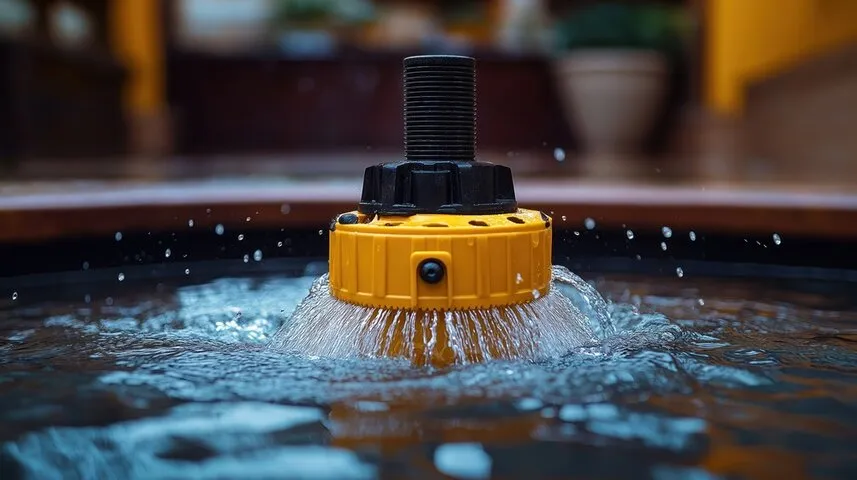
Why a Sump Pump matters in Bethesda, MD
Bethesda’s weather patterns can produce intense short-term storms and sustained wet periods that raise the water table and increase basement seepage. Older homes with shallow grading or clay soils are particularly vulnerable. A functioning sump pump:
- Prevents standing water and related mold and structural damage
- Keeps mechanical systems and finished spaces dry
- Works with waterproofing solutions to redirect subsurface water away from the foundation
Common sump pump issues in Bethesda homes
- Power loss during storms: Storm-related outages are common; without backup power, pumps can fail when you need them most.
- High inflow from heavy rains: Short bursts of intense rain can overload undersized pumps.
- Clogged intake or discharge: Debris, roots, or frozen discharge lines can stop flow.
- Failed float switches: Tethered or vertical floats can stick or wear out.
- Aging motors and bearings: Pumps that aren’t maintained wear out faster, especially in houses with mineral-laden groundwater.
- No or inadequate check valves: Backflow into the pit causes short cycling and more wear.
Types of sump pump systems and backup options
- Primary pumps
- Submersible pumps: Installed inside the sump pit, quiet and efficient, ideal for finished basements.
- Pedestal pumps: Motor above the pit with a long shaft—easier to service but louder.
- Backup systems
- Battery backup: Provides power during outages for a limited period; battery capacity selected to match typical pump draw and expected outage length.
- Secondary pump: A dedicated backup pump installed in the same pit or a separate pit, often with a higher float setting to engage only when the primary fails or during high inflow.
- Generator compatibility: Whole-house or portable generators can power primary pumps, but wiring and transfer switches must meet local codes.
Sizing and pit requirements
Proper sizing matches pump capacity to expected inflow, vertical lift (head), and discharge line friction. Key points:
- Pump selection uses capacity ratings at specific head heights—higher lifts require higher-capacity pumps.
- Sump pit dimensions: pits commonly are at least 18 inches in diameter and deep enough to allow the pump, float operation, and a margin for debris. Larger pits (24 inches or more) improve performance in high-inflow scenarios.
- Discharge piping should be sized to handle peak flow, include a reliable check valve, and terminate where water can safely flow away from the foundation and public drains, in compliance with local regulations.
Installation process overview
- Site assessment to determine groundwater patterns, floor elevation, and discharge routing options.
- Choosing and positioning the sump pit and pit liner for long-term durability.
- Mounting the primary pump, installing discharge piping with a check valve, and routing to a safe discharge point above grade or to an approved storm system.
- Adding backup systems (battery, secondary pump, or generator hookup) with dedicated battery storage and monitored connections where needed.
- Testing with measured inflow and verifying float cycles, alarms, and check valves.
Troubleshooting and repair
Common diagnostics and fixes:
- No run / no power: Check breaker, outlet, and cord; inspect control panel for battery or power indicators.
- Rapid cycling: Often caused by a bad check valve or incorrect float setting; replace check valve and adjust float range.
- Continuous running: Could be due to high inflow, a stuck float, or an undersized pump; inspect float movement and intake for obstructions.
- Strange noises: Grinding or bearing noise indicates motor wear—plan for motor replacement or a complete unit swap.
- Reduced discharge: Check for clogged discharge lines, frozen piping in winter, or collapsed lines; clear blockages and ensure proper slope.
Repairs may range from simple part replacements (floats, check valves, switches) to pump replacement or repiping. For safety and code compliance, electrical repairs and complex installations should be performed by qualified technicians.
Routine testing and maintenance plans
Regular maintenance extends pump life and ensures reliability:
- Visual inspection monthly during the wet season: check the pit, discharge run, and visible wiring.
- Functional test quarterly: pour water into the pit to trigger the pump and confirm full-cycle operation.
- Battery checks monthly for battery-backed systems; replace batteries per manufacturer guidance or when charge drops under load.
- Annual professional maintenance: inspect motor, impeller, float mechanism, check valve, and clean the pit and discharge lines; confirm compliance with local codes and the integrity of discharge routing.
Integration with basement waterproofing
Sump pumps are most effective when paired with comprehensive waterproofing:
- Interior perimeter drains (French drains) channel foundation seepage to the sump pit.
- Exterior solutions—proper grading, gutters, and exterior drains—reduce inflow and extend pump life.
- Vapor barriers, foundation crack repairs, and controlled landscaping help minimize the volume of water reaching the foundation.
Alarms, monitoring, and power-loss contingencies
- High-water alarms provide early warning for pump failure or clogging. Alarms can be audible, wired to a home monitoring system, or remote—but confirmation of local signal reliability is important.
- Power-loss contingencies include battery backups sized for expected runtime, secondary pumps with independent power, and generator integration for extended outages. Ensure battery enclosures, venting, and electrical connections comply with safety standards.
Warranties and expected cost factors
Warranties vary by pump type and components:
- Typical coverage includes manufacturer warranties for motors and components; battery backups and electrical parts may carry separate warranties.
- Warranty terms depend on pump class, installation quality, and whether parts are OEM replacements. Keep proof of professional installation and maintenance records to preserve warranty claims.
Cost drivers you should expect to consider:
- Type and capacity of the primary pump and whether it is submersible or pedestal.
- Backup system choice (battery, secondary pump, or generator ready).
- Pit construction or enlargement, discharge routing complexity, and necessary permits or code compliance work.
- Integration with existing waterproofing or installation of new perimeter drains.
- Accessibility for service and whether additional safety features like alarms are added.
Frequently asked questions
Q: How often should I test my sump pump in Bethesda, MD?
A: Test the pump function every 3 months and perform a visual check monthly during the wet season. For battery backups check charge monthly and replace batteries according to the manufacturer’s schedule.
Q: Do I need a battery backup for my sump pump?
A: Battery backups are highly recommended in areas with storm-related power outages. Backup choice depends on expected outage duration and the volume of potential inflow.
Q: Can a sump pump handle foundation waterproofing alone?
A: No. Sump pumps are a key component but work best with comprehensive waterproofing measures like perimeter drains, proper grading, and crack repairs to minimize incoming water.
Q: What causes my sump pump to run nonstop?
A: Continuous running can be caused by a stuck float, failed check valve, undersized pump for the inflow rate, or persistent groundwater pressure; each requires a specific repair approach.
Q: Are permits required for sump pump installation in Bethesda?
A: Local codes and permit requirements vary. It is important to verify Montgomery County and Bethesda regulations on discharge locations and electrical work.

Service areas
