



Sump Pumps in Reisterstown, MD
Basement water and recurring moisture are common concerns for Reisterstown, MD homes. Heavy spring rains, summer storms, and melting winter snow can easily overwhelm drainage systems, and older homes with high groundwater levels are particularly vulnerable to flooding. Proper sump pump service from Tario HVAC in Reisterstown, MD protects finished basements, mechanical equipment, and stored items by ensuring water stays out, preventing structural or mold damage. We’ll walk you through installation, replacement, troubleshooting and repairs, battery backup systems, correct sizing and pit preparation, preventative maintenance, flood prevention strategies, and emergency response options tailored to local conditions.
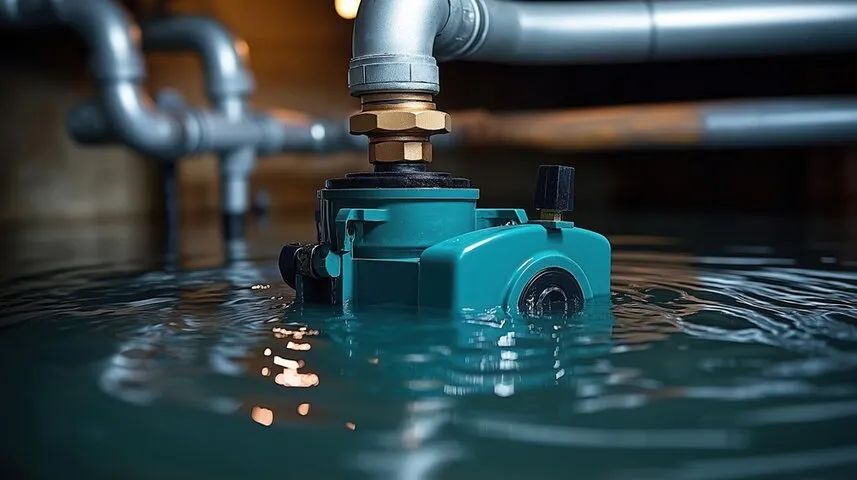
Why Sump Pump service matters in Reisterstown, MD
Reisterstown sees periods of intense rainfall and seasonal freeze thaw cycles that increase surface runoff and groundwater pressure against foundations. Clay soils and compacted yards common in the region reduce natural infiltration, so water seeks the lowest point: your basement. A properly installed and maintained sump pump reduces the risk of:
- Basement flooding during heavy rains or spring melt
- Foundation seepage and hydrostatic pressure damage
- Mold and mildew growth from chronic dampness
- Damage to HVAC, electrical, and stored belongings
Common sump pump issues in Reisterstown, MD
Homeowners in Reisterstown often report the following problems:
- Pump runs constantly or cycles frequently due to improper float adjustment, float obstructions, or high groundwater levels.
- Pump fails to start because of power outages, electrical faults, or a seized motor.
- Reduced pumping capacity from clogged intake screens, screened pits, or worn impellers.
- Check valve failures allowing discharged water back into the pit, causing short cycles.
- Corrosion or mechanical wear in older units leading to premature failure.
- Understanding these issues helps prioritize whether repair, replacement, or upgrade is the right solution.
Types of sump pump services
- Installation: New pump sizing, basin preparation, discharge piping, and check valve setup for reliable operation.
- Replacement: Upgrading aged or undersized pumps to modern, energy efficient models with improved debris handling.
- Troubleshooting and repairs: Diagnosing electrical, float, mechanical, and discharge issues and restoring proper operation.
- Battery backup systems: Adding backup power to keep pumps running during power outages common during storms.
- Preventative maintenance programs: Regular inspection, cleaning, testing, and seasonal tune-ups to extend pump life.
- Emergency response: Rapid diagnostics, temporary pumping, and water removal during active flooding events.
Correct sizing and pit preparation
Correct pump sizing is crucial for performance. Sizing should be based on:
- Required gallons per minute (GPM) at the vertical head height to the discharge point
- Typical groundwater inflow rates for your property and the size of the sump basin
- Expected debris and sediment that may restrict flow
Pit preparation best practices:
- Use a dedicated sump basin sized to allow proper float movement; common diameters are 18 to 24 inches with sufficient depth.
- Set the basin in compacted gravel bed to ensure stability and proper drainage into the pit.
- Install a sealed or vented cover to reduce odors and evaporation, and to prevent debris from entering the pit.
- Position discharge piping to carry water away from foundation and connect a properly sized check valve to prevent backflow.
Battery backup systems and redundancy
Power outages during storms are a leading cause of sump pump failure. Battery backup systems provide hours of operation depending on pump draw and battery amp-hours. Considerations for backup design:
- Match backup capacity to expected run time during storms; dual battery systems provide extended protection.
- Use an alarm or remote notification to alert when the primary pump fails or battery drops below safe voltage.
- Combination systems that pair a primary electric pump with a separate DC or water-powered backup provide redundancy for high-risk homes.
Troubleshooting and repair process
A typical troubleshooting sequence includes:
- Visual inspection of the basin, float, and discharge line for obstructions or ice during cold months.
- Electrical checks: verify power at the outlet, inspect wiring, and test the float switch for continuity.
- Pump testing: remove and bench test the pump to verify motor operation and impeller condition.
- Flow and head test: measure pump output at the actual discharge head to confirm capacity.
- Repairs may include float replacement, impeller cleaning or replacement, check valve replacement, motor rebuilding, or wiring repair. If repairs are not cost effective relative to the pump age and condition, replacement is recommended.
Preventative maintenance program
A regular maintenance program reduces emergency repairs and extends pump life. Key tasks:
- Inspect and clean the pit and intake screen every 6 to 12 months
- Test the pump and float operation quarterly, and after major storms
- Inspect discharge piping and check valve for leaks or blockages
- Test battery backups monthly and replace batteries per manufacturer recommendations
- Verify that downspouts and grading direct water away from the foundation
- A formal maintenance schedule tailored to your home’s risk profile ensures the system performs when needed.
Flood prevention strategies for Reisterstown homes
Sump pump service is one piece of a broader flood prevention approach suited to local conditions:
- Grade landscaping to slope away from the foundation and avoid low spots that collect water
- Add or maintain perimeter footing drains or exterior French drains where feasible
- Extend downspouts at least several feet from the foundation or tie into storm drainage
- Seal foundation cracks and install window well covers to keep surface water out
- Coordinate sump pump upgrades with whole-house drainage improvements for the best protection
Emergency response options
During active flooding, practical emergency steps include:
- Immediate on-site diagnostics to determine whether the pump can be repaired or needs temporary replacement
- Deploying portable pumps to remove standing water while a permanent fix is arranged
- Temporary rerouting of discharge away from the home to reduce immediate risk
- Battery swap or generator support to restore pump operation during extended outages
- Coordination with water extraction and drying specialists when significant water intrusion occurs
Q: How often should a sump pump be inspected in Reisterstown, MD?
A: Inspect and test the pump at least twice a year, with quarterly visual checks and battery backup tests if present. After heavy storms or prolonged power outages, perform an additional inspection.
Q: When is sump pump replacement better than repair?
A: Replacement is typically recommended when a pump is older than 7 to 10 years, when repairs are frequent or costly, or when the pump is undersized for current groundwater conditions.
Q: Do I need a battery backup for my sump pump in Reisterstown?
A: Battery backups are highly recommended because storms that create large inflow events often cause power outages. Backup systems provide critical redundancy to prevent basement flooding.
Q: What size sump pump do I need?
A: Proper sizing depends on the vertical head to the discharge point and how much water the sump must handle. A site-specific calculation based on GPM at the required head ensures reliable performance.
Q: Can I prevent basement flooding without a sump pump?
A: Sump pumps are a primary line of defense for below-grade spaces. Additional measures like improved grading, exterior drainage, sealed foundations, and window well protection reduce risk but may not fully replace a functioning sump system.

Service areas
