



Mini Split Tune-Up in Washington, DC
Maintaining a reliable and efficient mini split system is crucial for comfort and energy savings, especially in Washington, DC’s climate, which demands consistent heating and cooling throughout the year. A professional Mini Split Tune-Up in Washington, DC ensures your system operates smoothly, prevents unexpected breakdowns, and extends its lifespan. Tario Mini Split specializes in comprehensive tune-ups tailored to the unique demands of Washington, DC homes, addressing common mini split issues and optimizing performance so you can enjoy consistent indoor comfort no matter the season.
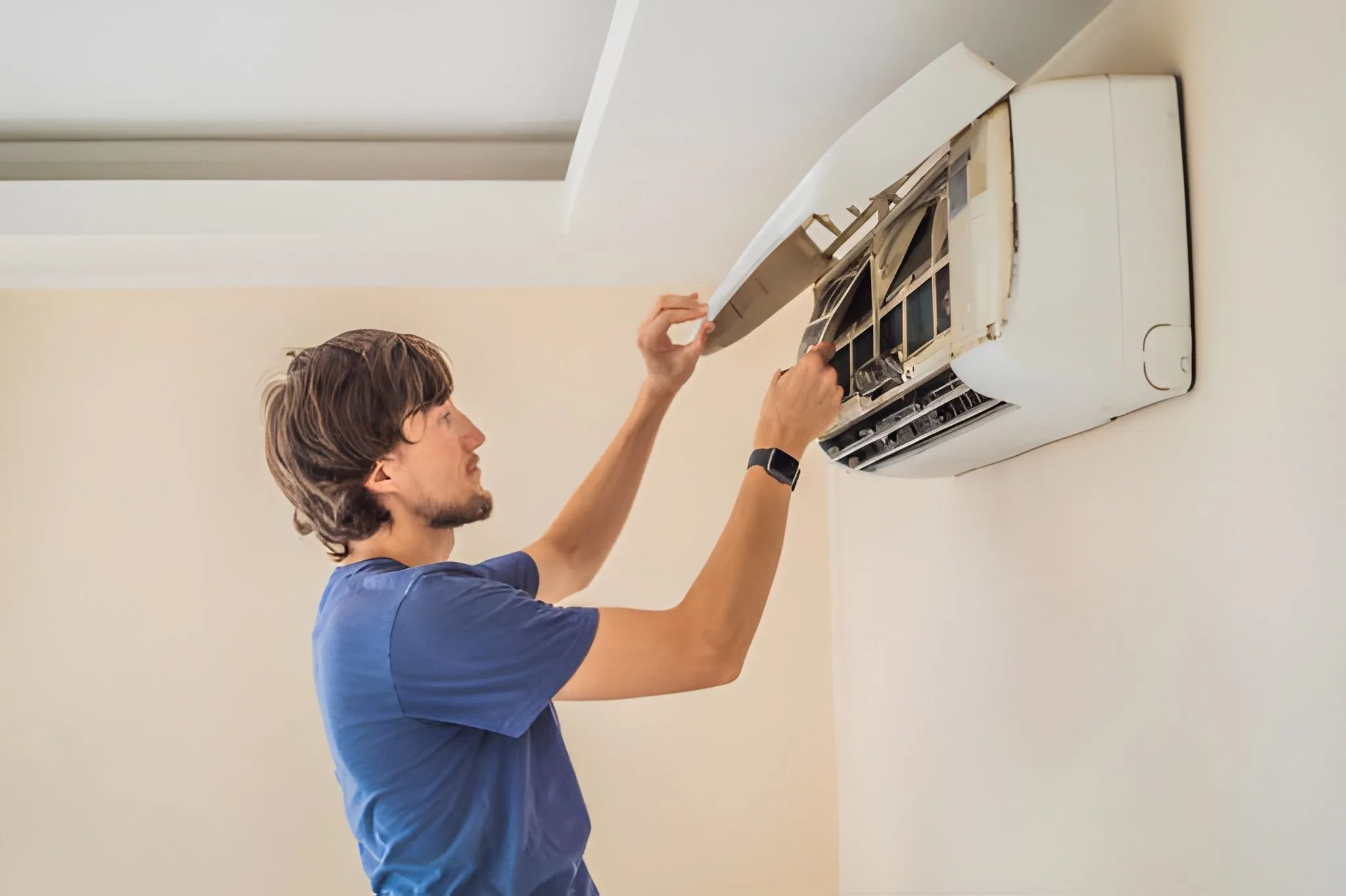
Why a Mini Split Tune-Up is Essential in Washington, DC
Mini split systems are popular in the DC area due to their energy efficiency and flexibility in cooling and heating specific rooms or zones. However, the fluctuating weather patterns—from humid summers to cold winters—put extra strain on these units. Without regular tune-ups:
- Energy efficiency decreases, leading to higher utility bills.
- Comfort levels suffer as the system might struggle to maintain set temperatures.
- Component wear accelerates, causing more frequent repairs or premature replacement.
- Indoor air quality may decline due to clogged filters or dirty coils.
A specialized tune-up addresses all these aspects, tailored to the specific challenges Washington, DC homeowners face, such as humid summers that impact indoor humidity control and wintertime heating demand.
Common Mini Split Issues in Washington, DC Homes
Tario Mini Split technicians often find several recurring problems during tune-ups in DC:
- Dirty filters and coils: High pollen and dust in the area clog filters faster, reducing airflow and efficiency.
- Refrigerant leaks or improper pressure: Fluctuating temperatures can cause refrigerant pressure imbalances.
- Electrical problems: Loose or corroded connections that can cause inconsistent operation or system shutdowns.
- Thermostat miscalibration: Incorrect thermostat readings affecting heating or cooling precision.
- Restricted airflow: Obstructions or fan malfunctions leading to uneven room temperatures.
- Drainage issues: Humidity in DC can exacerbate condensate drainage problems, causing water damage or mold risk.
Identifying and correcting these factors during a tune-up enhances your mini split’s reliability throughout DC’s seasonal transitions.
What Happens During a Mini Split Tune-Up?
A thorough Mini Split Tune-Up in Washington, DC with Tario Mini Split follows a meticulous process designed to optimize efficiency and detect early signs of potential failures. Step-by-step, here’s what the service covers:
1. Cleaning Filters and Coils
Filters accumulate dirt, dust, and allergens faster due to DC’s urban and seasonal air quality, impairing airflow. Technicians remove and clean or replace filters as needed and carefully clean the evaporator and condenser coils to improve heat exchange efficiency.
2. Tightening Electrical Connections
Electrical components and wiring joints are inspected and tightened to prevent shorts, sparks, or power loss that could damage system components or cause operational failures.
3. Checking Refrigerant Pressures
Refrigerant levels and pressures are measured and adjusted if necessary. Maintaining the correct refrigerant charge is critical for efficient cooling and heating performance and to prevent compressor damage.
4. Calibrating Thermostats
Thermostats are tested and recalibrated to ensure accurate temperature control. Precise thermostat operation helps maintain comfort and energy efficiency throughout DC’s variable seasons.
5. Verifying Airflow and System Efficiency
Technicians assess the airflow output and overall system efficiency using specialized tools. This includes checking for proper fan operation and detecting any airflow restrictions.
6. Drain Line Inspection and Cleaning
Given Washington, DC’s higher humidity, the condensate drain line is thoroughly inspected and cleared to prevent water accumulation and mold potential.
7. Comprehensive Service Report and Recommendations
After completing the tune-up, Tario Mini Split provides a detailed service report outlining findings, maintenance performed, and any recommended repairs or upgrades. This empowers homeowners to make informed decisions about their mini split systems.
Benefits of Regular Mini Split Tune-Ups in Washington, DC
Investing in routine tune-ups with Tario Mini Split offers significant benefits specific to homes in the Washington, DC area:
- Improved Energy Efficiency: A well-maintained mini split uses less electricity, which is especially important as DC residents face rising energy costs.
- Extended Equipment Lifespan: Preventative maintenance avoids costly replacements.
- Consistent Indoor Comfort: Tune-ups ensure your system meets heating and cooling demands even during extreme DC weather fluctuations.
- Reduced Risk of Breakdowns: Early detection of issues minimizes emergency service calls during peak temperature seasons.
- Better Indoor Air Quality: Clean filters and coils help reduce airborne allergens and pollutants common in DC’s urban environment.
- Compliance with Warranty Requirements: Many manufacturers require regular maintenance for warranty validity, protecting your investment.
Specialized Care for Washington, DC Mini Split Systems
Tario Mini Split understands the demands that the DC climate and urban setting place on HVAC systems. From seasonal pollen to intense summer humidity and wintertime cold snaps, our tune-up process is designed to address local challenges specifically, ensuring your system is tuned to operate optimally year-round.
Whether you rely on your mini split for focused cooling in humid summer months or efficient supplemental heating during winter, proactive maintenance helps maintain system balance and performance. Our expert technicians assess both indoor and outdoor units, ensuring every component works synergistically to meet your comfort needs.
Maintaining Your Mini Split Between Tune-Ups
While professional tune-ups are the best way to keep your system running smoothly, homeowners can also support system health through simple practices:
- Regularly clean or replace air filters, ideally every 1 to 3 months during peak usage seasons.
- Keep outdoor units free from debris, leaves, or overgrowth to ensure proper airflow.
- Keep the indoor unit and remote control unobstructed for accurate thermostat reading.
- Monitor for unusual noises or performance changes, and schedule a tune-up promptly if issues arise.
In Washington, DC, these actions help counter local environmental impacts like allergens, dust, and humidity that accelerate wear on your system.
Summary
A comprehensive Mini Split Tune-Up in Washington, DC by Tario Mini Split provides an expert, detailed inspection and maintenance service tailored to the region’s climate demands and common mini split issues. From cleaning filters and coils to precise refrigerant checks and thermostat calibration, our tune-ups maximize the efficiency, reliability, and comfort of your mini split system year-round. Regular service protects your investment, reduces energy costs, and ensures your Washington, DC home stays comfortable no matter the season.
Frequently Asked Questions
Q: How often should I schedule a mini split tune-up in Washington, DC?
A: It’s recommended to have your mini split system professionally tuned up at least once a year, ideally before peak heating or cooling seasons for optimal performance.
Q: Can I clean the filters myself between tune-ups?
A: Yes, cleaning or replacing filters every 1 to 3 months helps maintain airflow and indoor air quality, but a professional tune-up addresses deeper system components.
Q: What signs indicate my mini split needs a tune-up or repair?
A: Reduced cooling or heating efficiency, unusual noises, water leakage near the unit, or inconsistent thermostat readings are clear signals to schedule maintenance.
Q: Will a tune-up help reduce my energy bills?
A: Absolutely. Regular tune-ups improve system efficiency, helping your mini split use less electricity while maintaining comfort.
Q: Are the tune-up procedures different for older mini split models in DC?
A: While the core steps remain the same, technicians may recommend additional checks or repairs for older systems to ensure safe and efficient operation.

Service areas
