

Furnace Tune-Up in Glen Burnie, MD
Keeping your furnace well-tuned with Tario HVAC is one of the most effective ways to protect comfort, safety, and energy costs in Glen Burnie homes. A professional furnace tune-up identifies worn parts, restores efficient operation, and reduces the risk of midwinter breakdowns. Given Anne Arundel County’s humid summers and cold snaps in winter, routine maintenance is especially important to prevent corrosion, condensation issues, and excessive cycling that can shorten system life.
.jpeg)
Furnace Tune-Up in Glen Burnie, MD
Keeping your furnace well-tuned is one of the most effective ways to protect comfort, safety, and energy costs in Glen Burnie homes. A professional furnace tune-up identifies worn parts, restores efficient operation, and reduces the risk of midwinter breakdowns. Given Anne Arundel County’s humid summers and cold snaps in winter, routine maintenance is especially important to prevent corrosion, condensation issues, and excessive cycling that can shorten system life.
Why a furnace tune-up matters for Glen Burnie homeowners
- Safety: A tune-up includes inspection of the heat exchanger, flame sensor, and venting so combustion byproducts (including carbon monoxide) are managed safely.
- Efficiency: Cleaning and calibration improve combustion and airflow so your furnace delivers more heat for less fuel.
- Reliability: Early detection of worn components prevents inconvenient emergency repairs during cold periods.
- Indoor air quality: Replacing or cleaning filters and checking duct connections reduces dust and allergens circulating through your home.
- Longevity: Regular servicing slows wear and extends the useful life of your heating system.
Standard furnace tune-up checklist
A comprehensive tune-up covers these core items to restore safe, efficient operation:
- Filter replacement or inspection: Change disposable filters or clean reusable filters; recommend frequency based on filter type and household needs.
- Burner cleaning and inspection: Remove soot and deposits for consistent combustion.
- Ignition and pilot system check: Inspect electronic igniter or pilot light; clean and test ignition reliability.
- Thermostat calibration: Verify setpoint accuracy and communication with the furnace.
- Safety control inspection: Test limit switches, flame sensors, pressure switches, and other safety interlocks.
- Heat exchanger and flue inspection: Visual check for cracks, corrosion, or blockages in the venting system.
- Blower and motor service: Clean the blower assembly, check belt condition if applicable, and lubricate bearings as needed.
- Electrical checks: Tighten connections, test capacitors and relays, and measure motor amperage.
- Combustion and exhaust testing: Measure flue gases and draft to ensure safe and efficient combustion.
- Airflow and static pressure evaluation: Confirm adequate airflow through the system and ducts to prevent overheating and poor distribution.
- Condensate and drain inspection: For high-efficiency furnaces, check condensate traps and drains for clogs or corrosion.
What the technician tests and why it matters
- Combustion efficiency and CO levels: Ensures the furnace burns fuel cleanly and that exhaust is venting properly—essential for safety.
- Temperature rise across the heat exchanger: Confirms the furnace is heating to the intended level without overheating.
- Blower performance and amp draw: Verifies the blower is moving the right volume of air and operating within safe electrical limits.
- Thermostat response and system cycling: Ensures cycles are appropriate and not causing short-cycling (which wastes fuel and stresses components).
- Duct leakage visual inspection: Identifies obvious gaps or disconnected ducts that reduce system efficiency in typical Glen Burnie homes with older duct networks.
Immediate fixes commonly performed during a tune-up
During a standard service visit, many issues can be corrected on the spot to restore safe operation and improve performance:
- Replacing a dirty air filter
- Cleaning burner faces and flame sensor
- Tightening loose electrical connections and replacing worn terminals
- Lubricating motors and bearings (where applicable)
- Clearing pilot tubes or cleaning ignition assemblies
- Re-calibrating the thermostat or replacing batteries
- Clearing small blockages in vents or condensate drains
- Adjusting blower speed or fan settings for proper airflow
- Replacing a faulty flame sensor or limit switch when detected
Note: Any work involving gas pressure adjustments or heat exchanger repairs typically requires specialized service and may be recommended for later repair rather than completed as part of a basic tune-up.
Recommended tune-up frequency
- Annual inspection and tune-up: Recommended for most furnaces, ideally performed in early fall before heating demand increases.
- Biannual service: Consider for older systems (10+ years), homes with heavy use, or units that have shown intermittent problems.
- Filter maintenance: Check and change basic disposable filters every 1 to 3 months; higher-efficiency filters may need more frequent checks in homes with pets or allergies.
Local factors—humid summers and coastal proximity—mean corrosion and condensate-related problems can develop faster in Glen Burnie. Those conditions make at least an annual professional service important to diagnose early signs of rust or vent degradation.
How tune-ups improve cost and performance (without surprise details)
While exact costs vary by system type, age, and the scope of repairs found, most homeowners experience a measurable return through:
- Lower fuel usage due to improved combustion and airflow
- Fewer emergency service calls and unexpected repair bills
- Extended furnace lifespan that delays replacement costs
- Better home comfort with consistent temperature control and fewer hot/cold spots
Pricing depends on furnace type (single-stage, two-stage, modulating), system age, accessibility, and whether immediate parts replacements are required. Cost-effectiveness increases when routine maintenance prevents larger failures.
Signs your furnace needs service now
- Unusual noises during startup or operation
- Short cycling (frequent on/off cycles)
- Uneven heating or cold spots in the house
- Elevated energy bills without a change in usage
- Yellow or flickering burner flame (indicates combustion issues)
- Visible rust or soot on the furnace or flue
Addressing these signs during a tune-up reduces safety risks and restores efficiency.
Maintenance tips to extend tune-up benefits
- Replace or clean filters regularly according to manufacturer recommendations.
- Keep the area around the furnace clear for proper airflow and service access.
- Seal accessible duct seams and add insulation to unconditioned ducts where possible.
- Run a quick visual check of vents and returns monthly, and keep them unobstructed.
- Note any changes in performance and schedule inspections sooner if the system behaves unusually.
Q: How often should I schedule a professional furnace tune-up in Glen Burnie, MD?A: For most homes, an annual tune-up before the heating season is recommended; older or heavily used systems may benefit from service twice a year.
Q: Will a tune-up include safety checks for carbon monoxide?
A: Yes. A full tune-up includes inspection of combustion components, flue draft, and CO risk indicators; technicians usually measure flue gases and check venting integrity.
Q: Can common tune-up fixes be done during the visit?
A: Many quick fixes—filter replacement, burner cleaning, tightening electrical connections, and minor part swaps like flame sensors—are commonly completed during the same service visit.
Q: How do Maryland’s weather and proximity to the bay affect furnace maintenance?
A: Coastal humidity and salt air can speed corrosion and condensate issues; Glen Burnie homes should prioritize annual inspections to catch early corrosion or venting problems.
Q: What affects the cost of a furnace tune-up?
A: Factors include the furnace age and type, accessibility, whether immediate repairs or parts replacements are needed, and any additional tests requested (combustion analysis, duct testing).

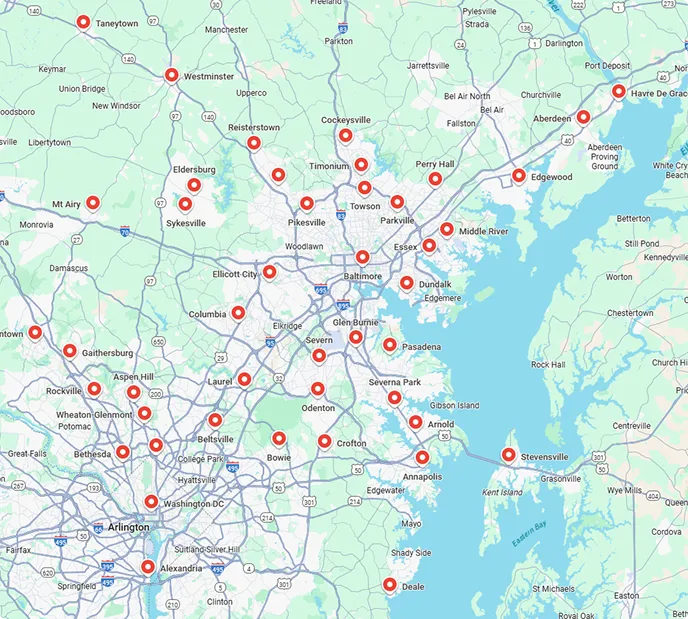
Service areas