



Furnace Tune-Up in Crofton, MD
A furnace tune-up is a critical annual service that keeps your heating system safe, efficient, and reliable throughout Crofton winters. With cold snaps common in Anne Arundel County and many Crofton homes relying on forced-air systems, a professional tune-up from Tario HVAC reduces the risk of mid-season breakdowns, lowers energy bills, and helps extend the life of your furnace. We'll explain what a standard furnace tune-up includes, common issues found in Crofton homes, the diagnostic process, expected outcomes, recommended frequency, and practical maintenance tips.
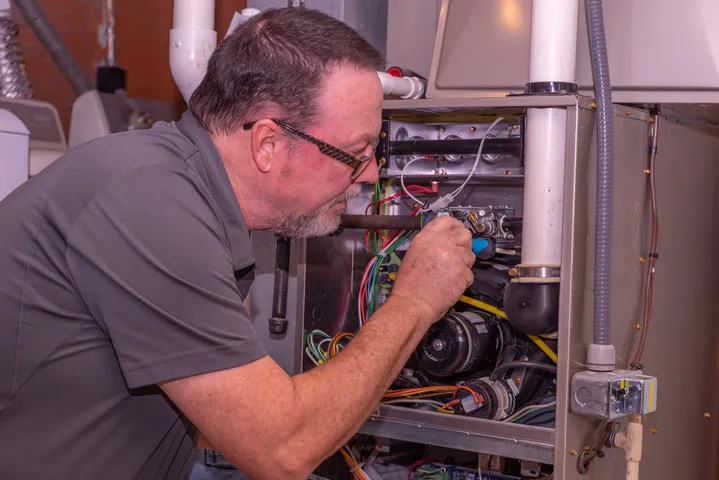
Furnace Tune-Up in Crofton, MD
A furnace tune-up is a critical annual service that keeps your heating system safe, efficient, and reliable throughout Crofton winters. With cold snaps common in Anne Arundel County and many Crofton homes relying on forced-air systems, a professional tune-up reduces the risk of mid-season breakdowns, lowers energy bills, and helps extend the life of your furnace. This page explains what a standard furnace tune-up includes, common issues found in Crofton homes, the diagnostic process, expected outcomes, recommended frequency, and practical maintenance tips.
What a standard furnace tune-up includes
A complete furnace tune-up covers inspection, cleaning, testing, and basic adjustments to ensure safe, efficient operation. Typical tasks performed during a standard tune-up include:
- Combustion analysis — measure carbon monoxide and combustion efficiency to verify safe fuel burning and proper airflow.
- Burner cleaning and inspection — remove soot and debris from burners to improve ignition and heat transfer.
- Filter inspection and replacement — check and replace filters or recommend the correct MERV-type filter for your system and home.
- Blower assembly and motor checks — clean the blower wheel, inspect motor bearings, test amperage draw, and check belt condition where applicable.
- Safety control tests — test limit switches, pressure switches, flame sensors, and rollout switches to confirm safe operation.
- Heat exchanger inspection — visually inspect for cracks or corrosion that could lead to carbon monoxide leaks.
- Ignition system and pilot check — verify reliable ignition on direct spark or hot surface igniters and ensure safe pilot operation on older systems.
- Flue and venting inspection — check vent pipes and chimney connections for blockages, corrosion, and proper draft.
- Thermostat calibration — confirm the thermostat accurately reflects indoor temperature and controls the system properly.
- Electrical and connection checks — tighten terminals, inspect wiring for wear, and test control board functionality.
- System operation and airflow evaluation — measure temperature differentials and assess airflow to detect duct or blower issues.
- Service report and recommendations — provide documented readings, noted issues, and suggested repairs or parts that may be needed.
Diagnostic process: what to expect
During the tune-up a technician will start with a safe startup and visual walkaround, then proceed with systematic testing:
- Verify safe fuel supply and power to the unit.
- Run a combustion analysis and measure temperatures and system pressures.
- Observe ignition sequence and burner flame quality.
- Inspect and clean components that affect airflow and combustion.
- Test safety controls and verify proper shutdown under fault conditions.
- Record readings and provide a clear service report showing before-and-after measurements and any recommended next steps.
These diagnostics identify hidden faults — small electrical issues, degraded sensors, blocked flues, or inefficient burners — before they become failures.
Why timely tune-ups prevent costly breakdowns in Crofton homes
- Cold winter periods in Crofton place heavy demand on furnaces; parts that are worn or dirty are more likely to fail under load.
- Humid summers and seasonal pollen can leave residue in ductwork and burner assemblies, reducing efficiency and stressing components when heating season begins.
- Regular maintenance catches problems such as failing motors, cracked heat exchangers, or blocked vents early, avoiding emergency service calls on the coldest days and expensive component replacements.
- Improved combustion and proper venting reduce the risk of carbon monoxide exposure and long-term damage to the furnace.
Expected outcomes after a tune-up
After a professional tune-up homeowners typically notice:
- Improved energy efficiency and steadier indoor temperatures.
- Quieter operation and smoother startup cycles.
- Fewer unexpected breakdowns and reduced risk of emergency repairs.
- Documented safety verification, including combustion and safety control test results.
- Longer equipment life when common wear items are serviced and adjusted.
- Better indoor air quality from clean filters and proper airflow.
Recommended frequency and membership options
- The recommended schedule is one professional furnace tune-up annually, completed before the heating season begins (late summer to early fall). This timing ensures the system is ready for intermittent cold snaps and prolonged use.
- Homes with older furnaces, frequent heavy use, or pets and allergies may benefit from semi-annual checks or more frequent filter changes.
- Many homeowners enroll in HVAC service plans or memberships that include scheduled tune-ups, priority scheduling, and discounted repairs. These plans help keep maintenance on a predictable schedule and can reduce overall lifecycle costs of the system.
Common furnace problems found in Crofton
- Clogged or improperly sized filters causing reduced airflow and heat distribution issues.
- Worn blower motors or belts leading to noisy operation and reduced performance.
- Dirty or misaligned burners causing incomplete combustion and inefficient heating.
- Thermostat calibration or wiring problems creating short cycling or temperature swings.
- Corroded flue components or partial vent blockages, especially in high-efficiency units with condensate lines.
- Cracked heat exchangers in older units, which pose safety risks and demand prompt evaluation.
Practical maintenance tips between tune-ups
- Replace disposable filters every 1 to 3 months depending on filter type and household conditions; washable filters should be cleaned monthly.
- Keep the furnace area clear of storage, dust buildup, and flammable materials.
- Ensure supply and return registers are not blocked by furniture or rugs.
- Test carbon monoxide and smoke alarms monthly and replace batteries as needed.
- Note unusual sounds, odors, or cycling behavior and have these surveyed before the next heating season.
FAQs
Q: How often should I get a furnace tune-up?
A: Annual tune-ups before the heating season are recommended; homes with high usage or older equipment may need more frequent checks.
Q: Will a tune-up lower my heating bills?
A: Yes. Cleaning burners, confirming proper combustion, and restoring airflow typically improve efficiency and can reduce fuel consumption.
Q: How long does a standard tune-up take?
A: Most tune-ups take about 60 to 90 minutes depending on system condition and any discoveries requiring additional attention.
Q: Can a tune-up detect carbon monoxide risks?
A: A combustion analysis and heat exchanger inspection help identify conditions that could lead to carbon monoxide production, but continuous monitoring requires a working carbon monoxide alarm.
Q: Should I be home during the tune-up?
A: It is helpful but not required. Technicians will often leave a written report of findings and recommendations after service.
Q: Do tune-ups include replacement parts?
A: Standard tune-ups include inspection, cleaning, and minor adjustments. If parts need replacement, the technician will document findings and recommend repairs or parts to restore safe, reliable operation.

Service areas
