

Furnace Service in Rockville, MD
Keeping your home warm, safe, and energy-efficient through Rockville winters means having reliable furnace service. At Tario HVAC, we offer top-notch diagnostics, routine maintenance, parts replacement, emergency repairs, and service contracts for long-term care. You'll learn about common local problems, our diagnostic and repair process, typical response times, guarantees, and the outcomes homeowners can reasonably expect from our professional furnace service in Rockville, MD.
Furnace Service in Rockville, MD
Keeping your home warm, safe, and energy efficient through Rockville winters means reliable furnace service. Whether you need diagnostics, routine maintenance, parts replacement, emergency repairs, or a service contract for long-term care, this page explains what to expect from professional furnace service in Rockville, MD. It covers common local problems, the diagnostic and repair process, typical response times, guarantees, and the outcomes homeowners can reasonably expect.
Why timely furnace service matters in Rockville, MD
Rockville experiences cold, humid winters and occasional rapid temperature swings in fall and spring. Those conditions increase furnace runtime and stress components like the heat exchanger and blower motor. Older homes in Rockville often have aging systems or restricted ductwork that increase failure risk. Timely service keeps your system safe, reduces heating costs, and prevents emergency breakdowns during peak cold snaps.
Common furnace problems in Rockville homes
- No heat or intermittent heating
- Short cycling (system turns on and off frequently)
- Strange noises (rattling, screeching, banging)
- Yellow or unstable pilot light or ignition failure
- High energy bills or reduced heating capacity
- Frequent tripping of breakers or blown fuses
- Carbon monoxide concerns or faulty CO detectors
- Poor airflow due to clogged filters or duct issues
These issues are often caused by dirty filters, faulty thermostats, worn components, clogged burners, pilot/ignition faults, or age-related wear on the heat exchanger and blower assembly.
Diagnostic process: how professionals identify the issue
A thorough diagnostic typically follows these steps:
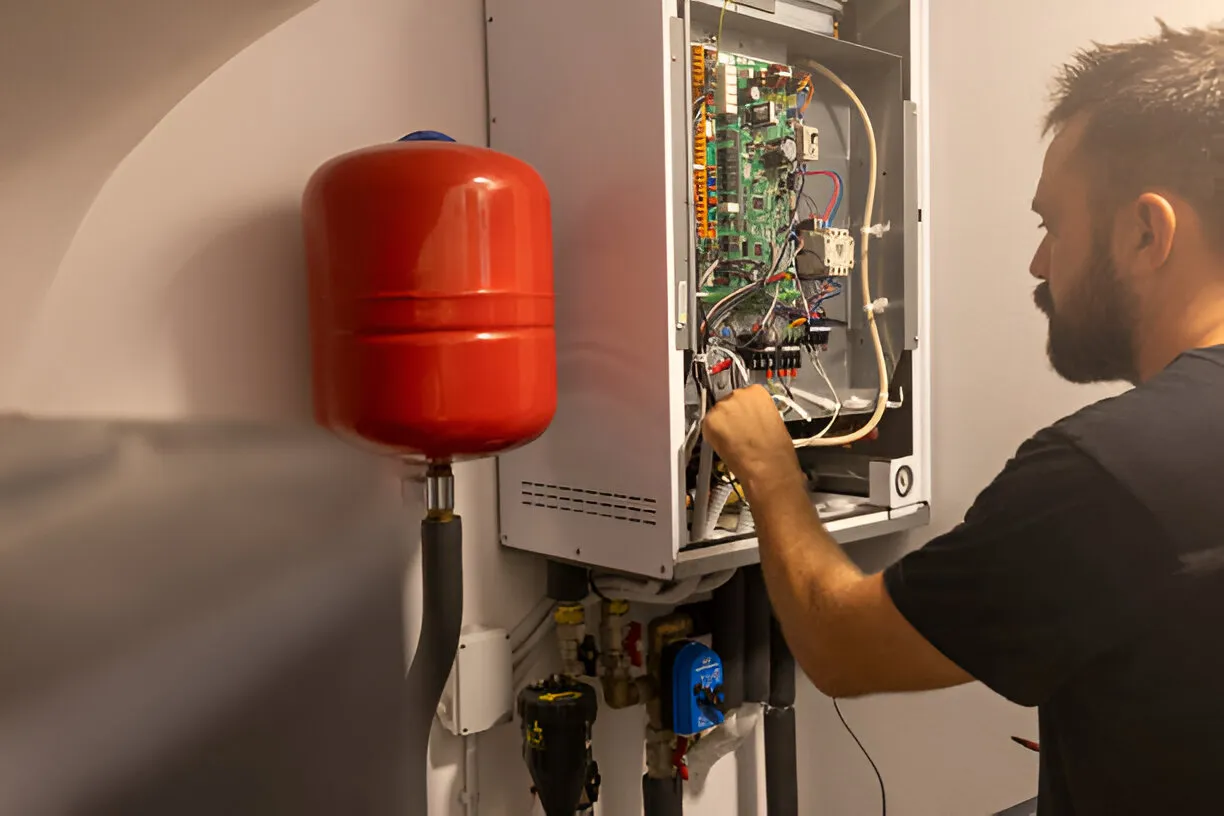
- Visual inspection of the furnace cabinet, burners, vents, and flue for obvious damage or leaks.
- Verification of thermostat settings and control board operation.
- Airflow measurement and inspection of filters and duct connections.
- Electrical checks of starters, capacitors, motors, and limit switches.
- Combustion and venting analysis for gas furnaces, including checking pilot/ignition systems and heat exchanger integrity.
- Safety checks for carbon monoxide and proper venting.Diagnostics in Rockville often include checking for issues caused by seasonal moisture and salt corrosion from deicing runoff, especially in older outdoor components.
Repairs and parts replacement explained
Common parts replaced during furnace repairs:
- Ignitor or pilot assembly
- Gas valve or control board
- Blower motor or fan assembly
- Belts and pulleys
- Heat exchanger (if cracked or compromised)
- Limit switches and sensors
- Thermostats and control modules
When deciding between repair and replacement, technicians consider system age, repair cost versus remaining expected life, safety (especially heat exchanger condition), efficiency impact, and parts availability. In Rockville, where winters demand reliable heat, replacing a failing furnace may be recommended earlier than in milder climates to avoid repeat emergency calls.
Maintenance and service contracts
Regular maintenance extends furnace life and improves efficiency. Typical maintenance services include:
- Seasonal tune-ups (cleaning burners, calibrating controls, lubricating moving parts)
- Filter replacement or recommendations for MERV-rated filters suited to your home
- Safety and combustion testing
- Duct inspection and basic sealing checksService contracts usually offer:
- Priority scheduling during high-demand periods
- One or two preventive visits per year
- Discounted labor and parts
- Waived or reduced diagnostic fees for covered breakdownsFor Rockville homeowners, a seasonal contract timed before heating season is a practical way to prevent cold-weather failures and ensure prioritized response during storms or utility-demand periods.
Emergency service and typical response times
Emergency furnace service protocols prioritize safety:
- Immediate safety assessment and temporary shut-down if a hazard is detected
- Ventilation and CO checks if there is a risk of carbon monoxide
- Temporary fixes to restore heat safely when a full repair is not immediately possibleTypical response time expectations (may vary by provider and season):
- Emergency calls: same-day response or within a few hours during business hours; extended hours or 24/7 coverage are commonly available
- Non-emergency repairs or maintenance: 24 to 72 hours for routine scheduling; longer during peak winter demandDuring prolonged cold spells, expect longer waits unless covered by a priority service contract.
Service guarantees and quality assurance
Common service guarantees you can expect:
- Workmanship guarantee on repairs for a defined period (commonly 30 to 90 days)
- Manufacturer warranties on replacement parts (varies by part and manufacturer)
- Clear documentation of findings, recommended repairs, and safety notes following an inspectionA transparent guarantee includes explanation of what is covered, length of coverage, and any conditions. For Rockville residents, confirmation that combustion and CO testing were performed and passed is an important part of any guarantee.
Outcomes homeowners can expect after professional service
After proper diagnostics and repairs, reasonable outcomes include:
- Restored reliable heating and consistent indoor temperatures
- Improved system efficiency and lower seasonal heating costs
- Reduced risk of emergency breakdowns during cold weather
- Extended equipment life with regular maintenance
- Clear documentation of work done and safety test results, including CO and venting checksIf a replacement is recommended, homeowners can expect a written rationale comparing repair costs, efficiency gains, safety considerations, and expected service life.
Preventive tips for Rockville homes
- Schedule seasonal tune-ups in early fall before the heating season
- Replace disposable filters monthly during heavy-use months; consider higher efficiency filters if your system and ducts allow
- Keep vents and returns clear of furniture and debris
- Install and test carbon monoxide detectors near sleeping areas and the furnace room
- Insulate exposed ducts in unheated spaces and seal visible duct connections
- Note unusual sounds, smells, or cycling behavior and provide system model and symptom details when scheduling service
Final note on expectations
Furnace service in Rockville, MD focuses on safety, reliability, and efficiency given the region’s seasonal demands. Professional diagnostics, timely repairs or replacements, and preventive maintenance are the best ways to keep your home comfortable through Maryland winters while reducing unexpected breakdowns and ensuring safe combustion and venting.
Q: How often should I schedule furnace maintenance in Rockville, MD?
A: Annually is standard, with a fall tune-up recommended before heating season; homes with heavy use or older systems may benefit from biannual checks.
Q: What response time should I expect for emergency furnace repairs in Rockville?
A: Emergency response is commonly same-day or within a few hours during business hours, with 24/7 providers available; non-urgent work is typically 24 to 72 hours depending on demand.
Q: When is replacement recommended instead of repair?
A: Replacement is often recommended when the furnace is near the end of its expected life (typically 15-20 years), when the heat exchanger is compromised, or when repair costs approach the value of a new, more efficient system.
Q: What safety checks are performed during service?
A: Technicians check combustion and venting, inspect the heat exchanger, test ignition systems, verify safe electrical connections, and perform carbon monoxide monitoring as needed.
Q: What does a service contract usually include?
A: Service contracts commonly include scheduled seasonal tune-ups, priority scheduling, discounts on labor and parts, and reduced diagnostic fees for covered failures.
Q: How can Rockville climate affect my furnace?
A: Cold, humid winters increase runtime and component stress; seasonal moisture can affect outdoor components and venting, so preventive maintenance before winter is especially important.

Service areas