



Furnace Repair in Sykesville, MD
When winter truly arrives in Sykesville, MD, having a reliably working furnace is absolutely essential for both comfort and safety. At Tario HVAC, our furnace repair in Sykesville, MD, specializes in diagnosing and fixing malfunctioning heating systems in local homes—whether you're dealing with no-heat complaints, strange noises, ignition failures, or even serious safety hazards like carbon monoxide risk. We'll explain common furnace problems we see in the area, our step-by-step diagnostic process, typical repair approaches, expected timelines, crucial safety checks, warranty considerations, and how we schedule both emergency and routine repairs.
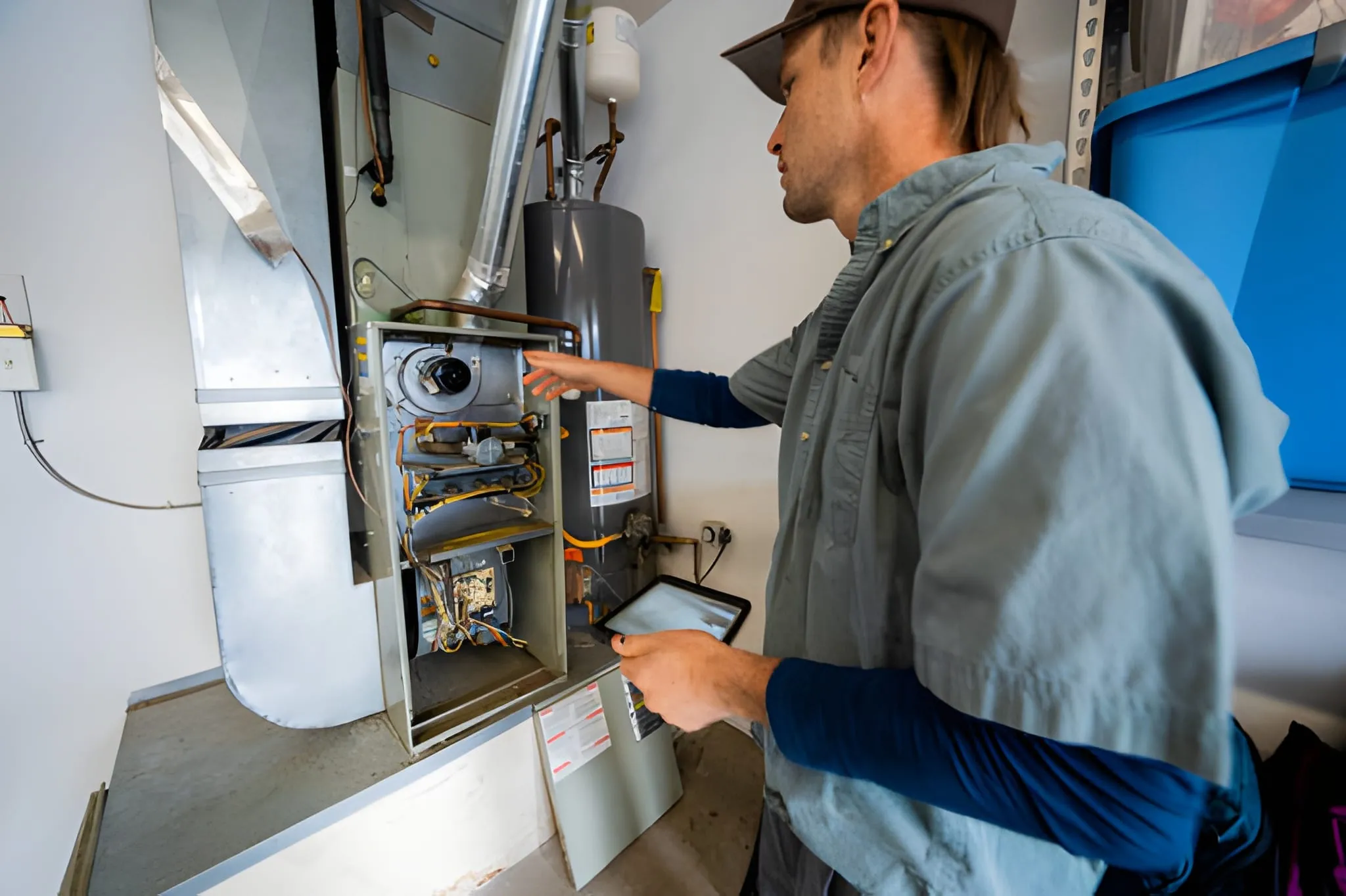
Furnace Repair in Sykesville, MD
When winters arrive in Sykesville, MD, a reliably working furnace is essential for comfort and safety. Furnace Repair in Sykesville, MD focuses on diagnosing and fixing malfunctioning heating systems in local homes — from no-heat complaints and strange noises to ignition failures and safety hazards like carbon monoxide risk.
Why timely furnace repair matters in Sykesville homes
Sykesville experiences cold snaps and winter storms that increase furnace run time and stress system components. Older homes in Carroll County often contain legacy systems that need more frequent attention. Delaying repairs can cause:
- Higher energy bills from inefficient operation
- Increased risk of breakdown during extreme cold
- Safety hazards from gas leaks or a cracked heat exchanger
- More expensive repairs later if small issues escalate
Common furnace problems we see in Sykesville, MD
- No heat or intermittent heat: Thermostat issues, lack of fuel or power, failed ignition systems, or clogged air filters.
- Strange noises: Rattling, banging, or squealing caused by loose components, blower motor problems, or failing bearings.
- Ignition problems: Older pilot lights or modern electronic igniters that fail to spark or stay lit.
- Frequent cycling or short-cycling: Poor airflow, dirty filters, or a malfunctioning thermostat.
- Blower or airflow failures: Faulty motors, belts, or clogged ducts and filters.
- Unpleasant odors: Burning dust on startup, oil smells from leaks, or persistent gas odor indicating a leak.
- Safety concerns: Signs of carbon monoxide, cracked heat exchangers, or venting and flue blockages.
Step-by-step diagnostic procedure
A methodical diagnostic approach identifies the root cause so repairs address the underlying issue.
Initial safety and visual check
- Ensure power and fuel sources are secure.
- Look for obvious signs: soot, leaks, corrosion, or damaged vents.
- Check for gas odor and evacuate per safety protocols if present.
Thermostat and control verification
- Confirm thermostat settings and battery/power.
- Inspect control board indicators and error codes.
Power, fuel and ignition inspection
- Verify electrical continuity and breakers.
- Check gas valve operation or fuel supply for oil systems.
- Test pilot assembly or electronic igniter and flame sensing.
Airflow and blower assessment
- Inspect and measure airflow, check filters, belts, blower wheel, and motor function.
- Clear filter restrictions and verify duct registers.
Combustion and venting checks
- Examine the heat exchanger visually for cracks or holes.
- Inspect venting and flue for blockages or improper slope.
- Where applicable, perform combustion analysis to ensure proper fuel burn and safe exhaust.
Safety device and sensor testing
- Test limit switches, pressure switches, roll-out switches, and carbon monoxide detectors.
Operational test
- Run the system through a full cycle, observing startup, run, and shutdown.
- Note abnormal sounds, vibrations, or error codes and document findings.
Repair actions and parts replacement
Repairs focus on restoring safe, efficient, and reliable operation. Common replacement parts and typical repair tasks include:
- Igniters and flame sensors: Replace or clean to restore ignition reliability.
- Control boards and relays: Replace faulty electronics that prevent proper system sequencing.
- Blower motors, belts, capacitors: Repair or replace to restore airflow.
- Gas valves and pressure switches: Replace when failing or unsafe.
- Heat exchanger: Rare but critical; if cracked or compromised, replacement may be recommended for safety reasons.
- Inducer motors and draft components: Replace to ensure proper venting and combustion.
- Thermostats: Calibrate or replace for accurate control and efficiency.
After any parts replacement, the system is reassembled, leak-tested for fuel systems, and run through a full verification to confirm safe operation and performance.
Estimated repair timelines and cost considerations
Typical repair timelines depend on the issue and parts availability:
- Minor repairs and adjustments: Often completed within 1 to 3 hours.
- Component replacements: Usually completed the same day if parts are stocked; otherwise may require 1 to 3 business days.
- Major repairs or heat exchanger replacement: May take several days due to part lead times and permitting or safety inspections.
Cost drivers to expect include:
- Type and age of the furnace (gas, electric, oil)
- Whether replacement parts are common or specialty items
- Labor time required for diagnostics and installation
- Emergency or after-hours response needs
- Estimates are typically provided after a complete diagnostic inspection so you understand options and expected outcomes before work begins.
Safety checks and carbon monoxide testing
Safety testing is mandatory for responsible furnace repair in Sykesville:
- Carbon monoxide (CO) testing is performed at the appliance and in the living area to confirm safe operation.
- Leak detection for gas lines, fittings, and valves.
- Heat exchanger inspection for cracks or corrosion that could allow combustion gases into living spaces.
- Venting and flue integrity checks to ensure exhaust gases are properly routed outdoors.
- All safety checks are documented, and any unsafe condition requires repair or system shutdown until remediation is complete.
Warranty and guarantee information
- Manufacturer warranties typically cover factory parts for a specified term; these remain valid when OEM parts are used and installation follows manufacturer guidelines.
- Service workmanship guarantees often cover labor for a defined period after repair; documentation of the service visit and parts used supports warranty claims.
- For complex or major replacements, ask for written documentation detailing parts, warranty periods, and recommended maintenance to preserve coverage.
Scheduling emergency and routine repairs
- Emergency repairs generally prioritize safety issues such as gas leaks, loss of heat during extreme cold, or suspected carbon monoxide presence. Response times vary based on availability and severity.
- Routine repairs and maintenance appointments can be scheduled to align with homeowner availability and seasonal needs. Before a scheduled visit, have the furnace model and serial number available when possible, and note recent symptoms and error codes to help streamline diagnosis.
- During any service visit you can expect a documented inspection report, an explanation of findings, repair options, and a verification test after repairs are completed.
FAQs
Q: How quickly can a technician diagnose a furnace problem in Sykesville?
A: A preliminary diagnosis often takes 30 minutes to 1 hour on site; a complete diagnostic with testing and combustion checks may take 1 to 2 hours. If parts are required, repair time depends on availability.
Q: What signs indicate a cracked heat exchanger or carbon monoxide risk?
A: Persistent soot or rust, yellow instead of blue flame, unhealthy odors, or family members experiencing headaches, nausea, or dizziness while the furnace runs are warning signs. Carbon monoxide testing is necessary to confirm risk.
Q: Is it worth repairing an older furnace or should it be replaced?
A: Decision factors include the furnace age, efficiency, frequency of repairs, and cost of the needed repair relative to replacement. If repairs are frequent or the system is outdated and inefficient, replacement may offer better long-term value.
Q: What should I have ready for a repair appointment?
A: Provide safe access to the furnace, known symptoms, thermostat model, and any error codes. Ensure pets are secured and clear the area around the unit for the technician to work safely.
Q: How does Sykesville weather affect furnace reliability?
A: Colder winters and increased runtime put more stress on components, making timely maintenance and pre-winter inspections especially important to avoid mid-season failures.

Service areas
