



Furnace Repair in Stevensville, MD
Keeping your heat reliable and safe in Stevensville, MD is critical for comfort and peace of mind when temperatures plunge. Whether your furnace is giving you no heat, making strange noises, or simply refusing to light, timely diagnosis and professional repair from Tario HVAC will protect your home from the cold, excessive energy use, and serious safety risks like carbon monoxide. We can explain common furnace problems we see in Stevensville homes, detailing how our skilled technicians diagnose and fix them, typical parts we might replace, expected repair timelines, emergency options, thorough safety inspections, our warranties, and our technicians' qualifications.
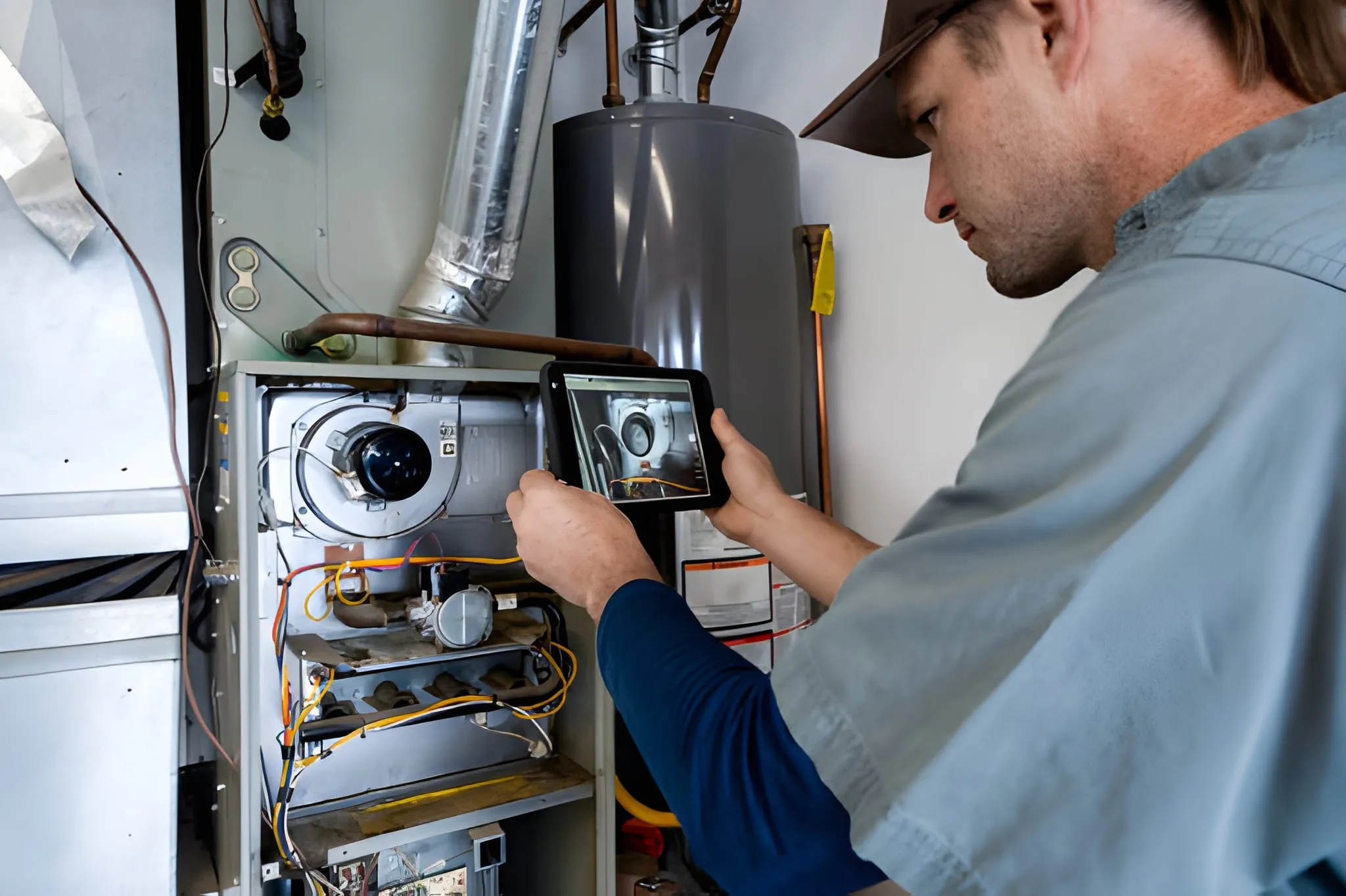
Furnace Repair in Stevensville, MD
Keeping heat reliable and safe in Stevensville, MD matters for comfort and safety when temperatures drop. Whether your furnace is producing no heat, making unusual noises, or won’t light, timely diagnosis and professional repair protect your home from cold, high energy use, and safety risks like carbon monoxide.
Common furnace symptoms homeowners see in Stevensville, MD
- No heat or intermittent heat - furnace runs but produces little or no warm air.
- Unusual noises - banging, rattling, or squealing that indicate loose components, motor issues, or airflow restrictions.
- Pilot or ignition problems - pilot lights that will not stay lit, electronic igniters that fail, or frequent lockouts.
- Short cycling - furnace turns on and off rapidly, often from thermostat, airflow, or safety switch issues.
- Poor airflow or weak heat - clogged filters, failing blower motors, or blocked vents.
- Yellow or flickering flame - a sign of combustion or venting problems that needs immediate attention.
- Odors or suspected gas leaks - any smell of gas requires evacuation and immediate professional response.
Local factors in Stevensville - including coastal humidity and salt air from the Chesapeake Bay - can accelerate corrosion on external components and clog outdoor venting. That makes routine inspections before winter especially important.
How technicians diagnose furnace problems
Technicians follow a structured diagnostic process to find the root cause efficiently and safely:
- Visual inspection - check burners, heat exchanger, venting, filter, blower assembly, wiring, and controls.
- Read error codes and control board diagnostics - modern furnaces store fault codes that narrow causes quickly.
- Combustion and venting check - confirm flame characteristics, vent draft, and safe exhaust path.
- Electrical and component testing - test igniters, flame sensors, thermostats, pressure switches, and motors.
- Gas pressure and leak check - verify proper gas delivery and test for leaks when applicable.
- Safety checks - carbon monoxide testing and confirmation of operational safety limits.
Technicians document findings and explain repair options in simple terms so you understand what is needed and why.
Typical parts replaced during furnace repair
- Igniter or pilot assembly - common failure point in ignition systems.
- Flame sensor or thermocouple - prevents furnace from running unless a flame is present.
- Control board - governs sequences and safety checks when it malfunctions.
- Blower motor or belt - restores proper airflow and prevents overheating.
- Limit switches and pressure switches - safety components that can fail and cause lockouts.
- Gas valves and regulators - critical for safe fuel control.
- Heat exchanger repairs or replacements - serious issues require careful evaluation for safety and longevity.
- Air filters and blower components - often replaced during a repair to restore efficiency.
Parts selection typically favors OEM or high-quality aftermarket components that meet safety and performance standards.
Estimated repair timelines
- Simple fixes such as filter replacement, sensor cleaning, or igniter swaps often complete the same day.
- Moderate repairs like blower motor replacement, control board swap, or gas valve changes usually require parts ordering and can take one to a few days depending on parts availability.
- Major repairs such as heat exchanger replacement may take longer because of complexity and safety checks.
Availability of parts and the severity of the fault influence exact timelines. Emergency calls are prioritized to restore heat quickly when risk is present.
Emergency repair and safety inspections
Emergency furnace repair services respond to urgent conditions like no heat in freezing weather, suspected gas leaks, or high carbon monoxide readings. Emergency response aims to stabilize the system and restore safe operation.
Safety inspections include:
- Carbon monoxide testing and alarm verification.
- Combustion analysis to confirm proper burner operation.
- Vent and flue inspection to ensure exhaust gases are safely removed.
- Gas leak detection and pressure testing.
Regular safety inspections before winter reduce the chance of emergency breakdowns and help catch corrosion or vent issues common in coastal Maryland.
Warranty and service guarantees
Repairs commonly come with a workmanship guarantee and parts warranty as provided by the parts manufacturer. Workmanship guarantees typically cover the repair for a defined period so you can have confidence the repair was completed correctly. Warranty terms can vary by part and manufacturer, and technicians will review applicable coverage for your repair.
Technician qualifications you should expect
Qualified furnace technicians servicing Stevensville homes typically hold:
- State or local HVAC contractor licensure and insurance to perform gas and electrical work safely.
- Certifications such as NATE or equivalent industry credentials that indicate advanced training.
- Experience with gas-fired furnaces and local code compliance to ensure safe, code-compliant repairs.
- Ongoing training on newer combustion and control technologies.
Technicians will follow safety protocols and document completed work for your records.
Maintenance tips to prevent furnace problems
- Replace or clean filters every 1 to 3 months during heavy use.
- Schedule an annual tune-up in early fall to prepare for winter.
- Keep outdoor vents and intake areas clear of debris and snow.
- Monitor for new noises, odors, or changes in performance and address them promptly.
- Consider more frequent inspections if your home experiences coastal salt exposure.
Q: How quickly can a technician respond to a no-heat call in Stevensville?
A: Response depends on scheduling and availability, but urgent no-heat calls for safety or health risks are prioritized and often handled same day or within hours.
Q: Is a yellow furnace flame always dangerous?
A: A persistent yellow or flickering flame can indicate incomplete combustion and potential carbon monoxide risk. It should be inspected immediately.
Q: How do I know if my heat exchanger is cracked?
A: Symptoms include soot, poor heating, or positive carbon monoxide readings. A technician will perform visual and diagnostic tests to confirm.
Q: Can I do any troubleshooting before a technician arrives?
A: Basic checks include verifying the thermostat settings and power, replacing a clogged filter, and checking the breaker. Do not attempt gas or combustion repairs yourself.
Q: Are repair warranties standard?
A: Most repairs include a workmanship warranty, and parts often carry manufacturer warranties. Confirm details with your technician before work begins.
Q: How often should I have a furnace safety inspection in Stevensville?
A: Annual inspections are recommended, with extra attention if your system is older or exposed to coastal conditions that accelerate corrosion.
This guidance is designed to help Stevensville homeowners understand furnace repair needs, the diagnostic process, and what to expect from professional service so repairs are safe, effective, and durable.

Service areas
