

Furnace Repair in Parkville, MD
When your furnace fails in Parkville, MD, it is not just an inconvenience. Cold snaps and prolonged chilly nights can affect comfort, health, and home safety. Professional furnace repair in Parkville, MD by Tario HVAC focuses on diagnosing failures quickly, restoring reliable heat, and ensuring safe operation so your home stays warm through Maryland winters. We outline typical failure symptoms, how our technicians diagnose problems, common repairs and parts replacement, emergency response practices, pricing and warranty considerations, safety checks for carbon monoxide and venting, and preventive steps to reduce future breakdowns.
.jpeg)
Furnace Repair in Parkville, MD
When your furnace fails in Parkville, MD, it is not just an inconvenience. Cold snaps and prolonged chilly nights can affect comfort, health, and home safety. Professional furnace repair in Parkville, MD focuses on diagnosing failures quickly, restoring reliable heat, and ensuring safe operation so your home stays warm through Maryland winters.
Common furnace failure symptoms in Parkville homes
Recognizing early warning signs helps reduce emergency repairs and avoid unsafe conditions. Common symptoms include:
- No heat at all: Furnace runs but does not produce warm air, or unit will not start.
- Short cycling: Furnace turns on and off frequently; often caused by overheating, a dirty filter, or a failing thermostat.
- Strange noises: Banging, rattling, squealing, or booming sounds that indicate mechanical or combustion issues.
- Pilot or ignition issues: Standing pilot outages or electronic ignition failures preventing startup.
- Uneven heating or weak airflow: Could be a blower motor issue, clogged filter, or duct problems.
- Unusual odors: Burning smells, persistent fuel odors, or musty scents that may indicate electrical issues, dust burning off, or mold in ducts.
- Yellow or flickering flame: A yellow flame instead of a steady blue flame points to combustion or venting problems.
- Higher gas bills: Loss of efficiency often precedes visible failure.
Parkville experiences cold, humid winters that can stress older equipment, accumulate condensation, and accelerate corrosion. These local factors often make seasonal maintenance and early repairs more important than in milder climates.
Diagnostic procedures technicians use
A careful diagnosis avoids unnecessary parts replacement and restores safe, efficient operation. Standard diagnostic steps include:
- Visual inspection of furnace cabinet, burners, and heat exchanger for cracks or corrosion.
- Thermostat calibration and wiring check to confirm correct signals.
- Ignition system testing: pilot light, flame sensor, hot surface ignitor and control module diagnostics.
- Gas pressure and manifold testing to verify proper fuel delivery and safe operation.
- Combustion analysis and flame quality checks to ensure efficient burning and identify venting problems.
- Motor, blower wheel, and belt inspection for mechanical wear affecting airflow.
- Electrical testing of capacitors, contactors, relays, and control boards.
- Safety device checks: high limit switch, rollouts, and pressure switches.
- Carbon monoxide testing and flue draft measurement to confirm safe venting.
These steps lead to a clear, itemized diagnosis showing which repairs are required and why.
Typical repair solutions and parts replacement
Repairs are guided by diagnosis and prioritize safety and long-term performance. Common solutions include:
- Ignition and pilot repairs: Cleaning or replacing flame sensors and ignitors, or repairing pilot assemblies.
- Control board and relay replacement: When electronics fail, replacement restores reliable sequencing.
- Blower motor and capacitor replacement: Restores airflow and eliminates overheating or poor circulation.
- Inducer motor and draft components: Fixes venting issues that can trigger safety lockouts.
- Gas valve replacement or adjustment: Required when fuel delivery is inconsistent or unsafe.
- Heat exchanger repair or replacement: Cracked exchangers are a safety risk and often require replacement.
- Duct sealing and register repairs: Improves airflow and system balance for more even heating.
- Thermostat replacement or recalibration: Ensures accurate control and prevents short cycling.
Technicians will recommend repair versus replacement based on age, cost of parts, safety (for example when a heat exchanger is cracked), and long-term efficiency goals.
Emergency and after-hours response
Furnace failures that affect safety or occur during extreme cold often need immediate attention. Emergency response protocols include:
- Prioritizing issues that present carbon monoxide risk, gas odor, or total loss of heat during dangerous weather.
- Performing on-site safety actions like shutting off gas or isolating electrical circuits when needed to prevent accidents.
- Temporary safe-operation fixes to restore heat until permanent repairs can be completed.
- Clear documentation of risks and recommended next steps for safe restoration.
In Parkville, where winter nights can be particularly cold, emergency procedures are focused on occupant safety and temporary heat solutions until a full repair can be completed.
Pricing structure and warranty information
Furnace repair cost varies with the scope of the problem and parts required. Typical pricing considerations include:
- A diagnostic or service fee to identify the issue and generate an estimate.
- Labor charges that may be quoted as flat rates for common repairs or an hourly rate for complex jobs.
- Parts costs that vary by make and model; OEM parts often carry separate manufacturer warranties.
- Additional fees for after-hours emergency service or rapid response.
Warranty practices commonly include limited warranties on labor for a set period and manufacturer warranties on replacement parts. Warranties vary by component and installer, and transparent, itemized estimates should specify warranty terms for both parts and labor.
Safety checks: carbon monoxide and venting
Carbon monoxide is an odorless, colorless gas produced by incomplete combustion. Safety checks performed during furnace repair include:
- CO testing with calibrated detectors to confirm safe levels in living spaces and mechanical rooms.
- Flue and vent inspections to ensure proper draft and that there are no blockages from debris, nest material, or snow buildup.
- Heat exchanger inspection for cracks that can enable combustion gases to enter the home.
- Verifying proper combustion air intake and sealing any backdrafting issues.
Regular CO detector placement and testing in Parkville homes is essential, especially during cold months when furnaces run continuously.
Preventing future breakdowns in Parkville, MD
Preventive maintenance reduces emergency repairs and maintains efficiency. Key tips:
- Schedule annual furnace tune-ups in early fall before heating demand peaks.
- Replace or clean filters monthly to maintain airflow and protect components.
- Keep outdoor vents and intake areas clear of leaves, snow, and debris common in Parkville yards.
- Insulate and seal ducts to prevent heat loss in unheated spaces and improve balance.
- Monitor and address humidity; excessive indoor moisture during winter can accelerate corrosion.
- Replace aging equipment proactively if repair frequency rises or if efficiency drops significantly.
Routine care tailored to Parkville weather patterns protects system longevity and maintains safe operation.
Q: How quickly should a technician respond to a no-heat emergency in Parkville?
A: Response time depends on the service provider but issues presenting safety risks or when outside temperatures are dangerously low are typically prioritized for fastest response.
Q: Can a cracked heat exchanger be repaired or must it be replaced?
A: A cracked heat exchanger is generally a replacement item due to safety concerns; technicians will assess crack location and severity but replacement is commonly recommended.
Q: Are carbon monoxide tests included with a standard furnace repair?
A: Carbon monoxide testing is a standard safety check when combustion issues are suspected; confirm whether it is included in the initial diagnostic scope.
Q: How often should I schedule furnace maintenance in Parkville, MD?
A: Annual maintenance before winter is recommended, with more frequent checks if your system is older or has a history of problems.
Q: What factors most influence repair cost for furnaces in Parkville?
A: Age and make of the furnace, the specific failed components, accessibility, parts availability, and whether emergency after-hours service is required all influence cost.

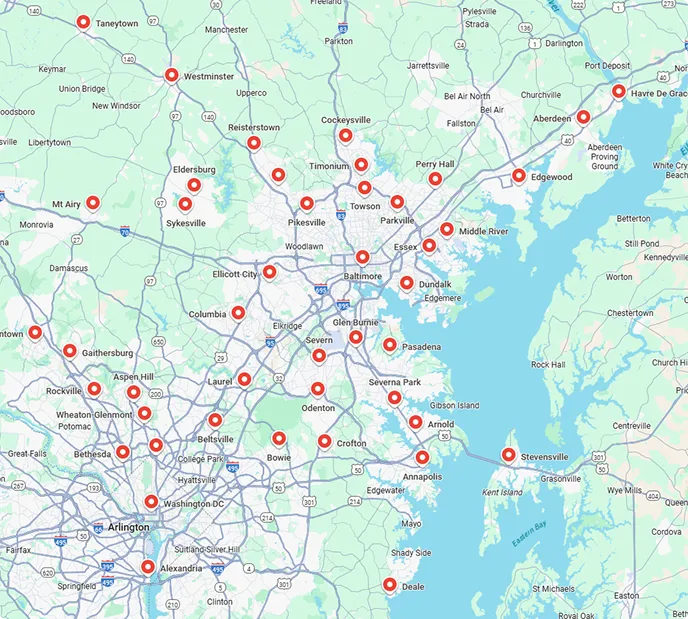
Service areas