



Furnace Repair in Deale, MD
When your furnace stops heating reliably, the cold can hit quickly, and the inconvenience is immediate. At Tario HVAC, our furnace repair services in Deale, MD are dedicated to diagnosing and resolving common residential and light-commercial heating failures with both speed and safety. We understand that homes near the Chesapeake Bay face unique challenges – salt-laden air, higher humidity, and older coastal construction – all of which can accelerate corrosion, clog vents, and shorten component life. Tario HVAC is here to explain typical problems, walk you through our step-by-step diagnostic and repair process, discuss parts we commonly service, outline our emergency response options, clarify how estimates are prepared, explain warranty considerations, and detail the crucial safety checks we perform after any repair.
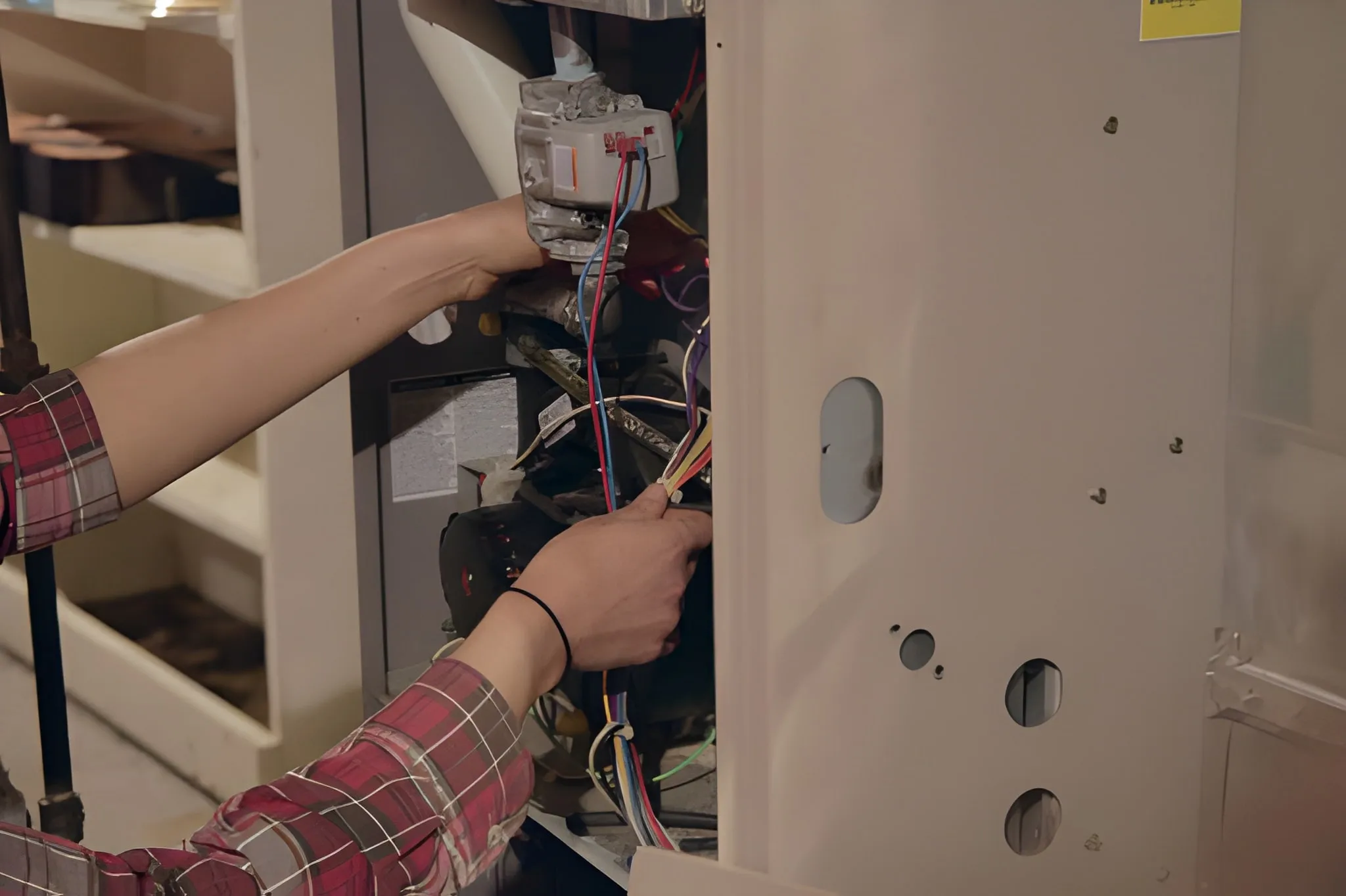
Furnace Repair in Deale, MD
When your furnace stops heating reliably, the cold hits quickly and the inconvenience is immediate. Furnace repair in Deale, MD focuses on diagnosing and resolving common residential and light-commercial heating failures with speed and safety. Homes near the Chesapeake Bay face unique challenges — salt-laden air, higher humidity, and older coastal construction - all of which can accelerate corrosion, clog vents, and shorten component life. This page explains typical problems, the step-by-step diagnostic and repair process, parts we commonly service, emergency response options, how estimates are prepared, warranty considerations, and the safety checks performed after any repair.
Common furnace issues in Deale, MD homes and small businesses
- No heat or intermittent heat - often caused by ignition failure, faulty thermostats, or control board issues.
- Weak or uneven airflow - clogged filters, failing blowers, or duct obstructions are frequent, especially in older coastal properties.
- Frequent cycling on and off - short cycling from blocked airflow, improper thermostat placement, or failing limit switches.
- Strange noises - rattles, squeals, or banging can indicate loose panels, blower bearings failing, or ignition delays.
- Unusual odors - burning dust after seasonal startup is normal briefly; persistent gas or electrical smells require immediate attention.
- Pilot or ignition problems - stubborn pilots, intermittent spark, or failed hot surface igniters are common aged-system failures.
- Corrosion and venting problems - salt air accelerates rust on flues, burners, and heat exchangers leading to leaks or vent blockages.
Types of furnace service offered
- Diagnostic service for residential furnaces and light-commercial units
- Ignition and pilot system repair or replacement
- Thermostat testing, calibration, and upgrades
- Burner cleaning and combustion optimization
- Blower motor repair or replacement, belt and bearing service
- Control board and sensor replacement (flame sensor, limit switch)
- Heat exchanger inspection and crack detection
- Venting and flue repair, condensate drains and secondary safety systems
- Preventive maintenance and seasonal tune-ups
Diagnostic and troubleshooting process
- Intake and symptom verification - gather detailed information on symptoms, duration, and any recent events (power surges, storms, water exposure).
- Visual safety inspection - check for obvious gas leaks, water intrusion, corrosion, loose wiring, and vent obstructions.
- Electrical and control checks - verify thermostat communications, control board codes, and fuse integrity.
- Ignition and combustion testing - observe ignition sequence, test flame sensors, and check burner flame quality when safe.
- Airflow and blower assessment - measure static pressure and inspect filters, blower wheel, motor, and duct connections.
- Combustion safety checks - test for proper venting, draft, and carbon monoxide levels where applicable.
- Detailed report and options - provide a clear explanation of findings, repair options, and estimated timeline.
Typical parts and components serviced
- Ignition systems (hot surface igniters, spark modules, pilot assemblies)
- Thermostats and zone controls (programming, calibration, smart thermostat integration)
- Burners and combustion chambers (cleaning and adjustment)
- Blower motors, wheels, belts, and capacitors
- Control boards, relays, and transformers
- Flame sensors, limit switches, and pressure switches
- Gas valves and regulators
- Heat exchangers and flue components
- Filters, condensate traps, and vents
Repair solutions and safety-first approach
Repairs prioritize restoring safe, efficient operation. Typical solutions include cleaning and aligning burners, replacing worn ignitors or sensors, balancing or replacing blower motors, repairing or replacing control boards, and sealing or repairing venting. When a cracked heat exchanger or major safety hazard is identified, the recommended course will focus on occupant safety and code compliance rather than temporary fixes. All gas-related repairs follow strict leak testing and shutoff procedures before, during, and after work.
Emergency and rapid-response options
Deale’s coastal location means storms and outages can coincide with heating failures. Emergency response services typically include:
- After-hours diagnostics for occupant safety concerns (no heat, suspected gas smell, carbon monoxide alarm)
- Priority scheduling for light-commercial systems to minimize business disruption
- Temporary heating recommendations or safe shutoff procedures until permanent repairs are completed
- Rapid parts sourcing strategies for common failure components
Estimate procedures and transparency
Estimates begin with an on-site diagnostic to identify root causes. After diagnostic completion you receive a written estimate that:
- Breaks down labor, parts, and any recommended safety upgrades
- Lists options where applicable (repair vs replacement risk assessment)
- Explains expected timeline and parts lead times for coastal shipping challenges
- Notes any code or permitting requirements for larger repairs
Estimates are presented plainly so you can compare repair options and understand the long-term implications for system life and energy efficiency.
Warranty and parts information
- Replacement parts generally carry manufacturer warranties; documentation for part warranties is provided with repair details.
- Labor or workmanship warranties vary by provider; common practice is to back repairs with a limited labor warranty for a defined period.
- For light-commercial repairs, warranty terms may differ and will be specified in the estimate.
- Where possible, OEM parts are recommended for best longevity, especially in salty, high-humidity environments that accelerate wear.
Safety checks performed after every repair
- Gas leak test and proper gas pressure verification where applicable
- Carbon monoxide checks and ventilation verification for combustion safety
- Thermostat calibration and system cycling tests to validate stable operation
- Airflow confirmation and filter replacement recommendations
- Visual re-inspection of all serviceable components and secured panels
- Documentation of performed safety tests and recommendations for follow-up maintenance
Maintenance and longer-term benefits
Timely furnace repair and routine maintenance extend system life, improve energy efficiency, reduce emergency breakdowns, and maintain safe operation — especially important in Deale, where seasonal humidity and salt exposure speed component wear. Regular filter changes, annual tune-ups before winter, and corrosion-resistant venting components help protect investments and keep homes and small businesses comfortable all season.
Q: How quickly can an emergency furnace issue be diagnosed in Deale, MD?
A: Emergency response times depend on call volume and weather, but initial on-site diagnostics are prioritized for safety issues and typically performed as soon as a rapid-response technician is available.
Q: Will you repair older or discontinued furnace models?
A: Many older systems can be repaired; however, if parts are discontinued or a heat exchanger is compromised, replacement may be the safer long-term option. The diagnostic will outline repairability and risks.
Q: Do you perform carbon monoxide testing after repairs?
A: Yes. Combustion safety checks, including carbon monoxide testing and draft verification, are standard after any repair involving burners or flues.
Q: What should I do if I smell gas before help arrives?
A: Leave the premises immediately, avoid using electrical switches or phones inside, and call emergency services. A qualified technician can perform a controlled assessment once the area is safe.
Q: Are parts replaced with OEM components?
A: Wherever feasible we recommend OEM or equivalent quality parts, especially for critical items like heat exchangers and control boards, due to the corrosive coastal environment.
Q: Is a written estimate provided before starting repairs?
A: Yes. After diagnostics you will receive a written estimate that itemizes recommended repairs, alternatives, and any applicable warranty information.

Service areas
