

Furnace Installation in Aberdeen, MD
A properly sized, professionally installed furnace keeps your home warm, safe, and energy-efficient through Aberdeen, MD winters. New furnace installation in Aberdeen, MD is more than just swapping out equipment. It requires a detailed site assessment, precise load calculations, ductwork evaluation, code-compliant installation, and thorough commissioning to ensure comfort, efficiency, and a long equipment life. Let Tario HVAC explain the full installation process, common local considerations, and what homeowners should expect during and after a replacement or first-time furnace install.
-min.webp)
Furnace Installation in Aberdeen, MD
A properly sized, professionally installed furnace keeps your home warm, safe, and energy-efficient through Aberdeen, MD winters. New furnace installation in Aberdeen, MD is more than swapping equipment. It requires a site assessment, precise load calculations, ductwork evaluation, code-compliant installation, and thorough commissioning to ensure comfort, efficiency, and long equipment life.
Why professional furnace installation matters in Aberdeen, MD
Aberdeen experiences cold winters and high humidity for parts of the year. That combination makes correct furnace sizing and airflow critical to prevent uneven heating, moisture problems, and excessive energy use. Improper installation is the leading cause of warranty voids, reduced efficiency, and system failures. Professional installation protects equipment performance, reduces operating costs, and ensures compliance with local permit and inspection requirements.
Common furnace installation types and issues in Aberdeen
- Replacement of an existing gas or electric furnace with a high-efficiency model
- Conversion to a different fuel type (where available) or adding a two-stage or variable-speed furnace for better comfort control
- New builds and additions requiring duct design and furnace siting
- Ductwork mismatches: undersized, leaky, or unbalanced ducts that limit performance
- Corrosion concerns in coastal or salt-air zones near the Chesapeake Bay that can affect venting and outdoor components
- Venting and combustion air clearance issues due to older home layouts
Site assessment and load calculations
A professional installation begins with a detailed site assessment and Manual J load calculation to match system capacity to your home. The assessment documents:
- Square footage, insulation levels, window types, and air infiltration rates
- Room-by-room heat loss to identify hot and cold spots
- Orientation, ceiling heights, and existing heating distribution
- Existing electrical, gas, and venting capacity
Proper sizing avoids short-cycling from an oversized furnace and insufficient heat from an undersized unit. In Aberdeen homes, where older construction and varying insulation are common, accurate calculations are essential for comfort and efficiency.
Ductwork inspection and necessary modifications
Ductwork is as important as the furnace itself. Inspection includes:
- Leak detection and sealing recommendations
- Static pressure measurements to ensure acceptable airflow
- Sizing verification for supply and return trunks and branches
- Insulation checks, especially in unconditioned crawl spaces or attics
Common modifications include sealing and insulating ducts, adding return pathways, resizing sections, or installing new plenums and registers. Proper ductwork reduces energy loss and improves comfort balance throughout the home.
Step-by-step professional installation procedures
- Pre-install preparation: confirm load calculations, obtain necessary permits, and schedule inspections per Harford County and Maryland codes.
- Equipment delivery and staging: verify model, efficiency rating, and venting components. Corrosion-resistant materials may be recommended for coastal exposure.
- Removal of old equipment: safe disconnect of gas, electrical, and venting; proper disposal or recycling of old units.
- Placement and mounting: secure furnace to proper pad or platform, ensuring clearances for combustion air and servicing.
- Duct and vent connections: tie into sealed supply and return plenum, install or adapt venting for proper draft and termination.
- Electrical and gas hookups: connect power, controls, and gas lines using code-approved fittings and shutoff valves.
- Thermostat and control integration: install programmable or smart thermostats and configure staging and fan controls.
Each step follows manufacturer installation instructions and local codes to maintain safety and warranty compliance.
Safety checks, start-up, and commissioning
After installation, a structured start-up and safety check are performed:
- Combustion analysis for gas furnaces to verify proper flame characteristics and CO levels
- Gas leak checks and pressure tests of supply lines
- Electrical safety and grounding verification
- Venting draft and termination inspection to prevent backdrafting and ensure clearance from openings
- Initial system run to inspect cycling behavior and verify proper airflow
Commissioning includes adjusting gas pressure, burner settings, and fan curves to match the calculated load and duct conditions. The result is a safe, efficient system tailored to the home.
Post-install testing and customer orientation
Once the system is operating correctly, post-install procedures include:
- Performance testing under various setpoints to confirm even heating and stable operation
- Demonstration of thermostat programming and multi-stage operation if applicable
- Review of maintenance tasks such as filter changes, condensate management for high-efficiency units, and basic troubleshooting tips
- Documentation of equipment model, serial numbers, and warranty information for homeowner records
This orientation empowers homeowners to manage their system and recognize when professional service is needed.
Warranty and service plan options
New furnaces come with manufacturer warranties on major components. Professional installation documentation is often required to keep warranties valid. Service plans typically cover annual tune-ups, priority scheduling for repairs, and discounted parts or labor. Regular, documented maintenance preserves efficiency and extends equipment life, especially in Maryland climates where seasonal extremes increase system strain.
Permits and inspection handling
Furnace installations in Aberdeen, MD require permits and inspections to ensure code compliance and safety. Typical permit handling steps:
- Submitting application details and equipment specifications to the local building department
- Scheduling rough and final inspections coordinated with installation phases
- Ensuring work meets combustion air, venting, and mechanical code requirements for Harford County and the State of Maryland
Proper permit management avoids costly rework and ensures systems are legally and safely installed.
Local considerations for Aberdeen homes
- Cold snaps and humidity swings in northeastern Maryland make two-stage or variable-speed furnaces attractive for consistent comfort and humidity control.
- Homes near Aberdeen Proving Ground and Chesapeake Bay may benefit from corrosion-resistant venting and outdoor components.
- Older homes often need ductwork upgrades or air sealing to maximize the value of a new furnace.
- Seasonal maintenance timing is important: fall tune-ups before heating season reduce the risk of winter breakdowns.
Benefits of timely furnace installation and maintenance
Investing in a professional installation delivers:
- Improved comfort and consistent indoor temperatures
- Lower energy bills through higher efficiency and correct sizing
- Fewer emergency repairs and extended equipment life
- Compliance with local codes and preserved manufacturer warranties
Q: How long does a typical furnace installation take?
A: Most standard replacement jobs are completed in one day, though ductwork modifications, permit scheduling, or complex venting can extend the project to multiple days.
Q: Will a new furnace lower my energy bills in Aberdeen, MD?
A: Yes. A properly sized high-efficiency furnace combined with sealed ducts and correct controls can significantly reduce heating costs compared with older, inefficient equipment.
Q: Do I need a permit to install a furnace in Aberdeen?
A: Yes. Furnace installations generally require building permits and inspections to confirm code compliance and safety.
Q: How often should I schedule maintenance after installation?
A: Annual professional tune-ups before the heating season are recommended; high-efficiency systems may benefit from bi-annual checks in some situations.
Q: Can a new furnace help with humidity control?
A: Indirectly. Proper airflow and variable-speed blowers improve comfort and can assist with whole-home humidity control when used with a compatible dehumidifier or HVAC controls.

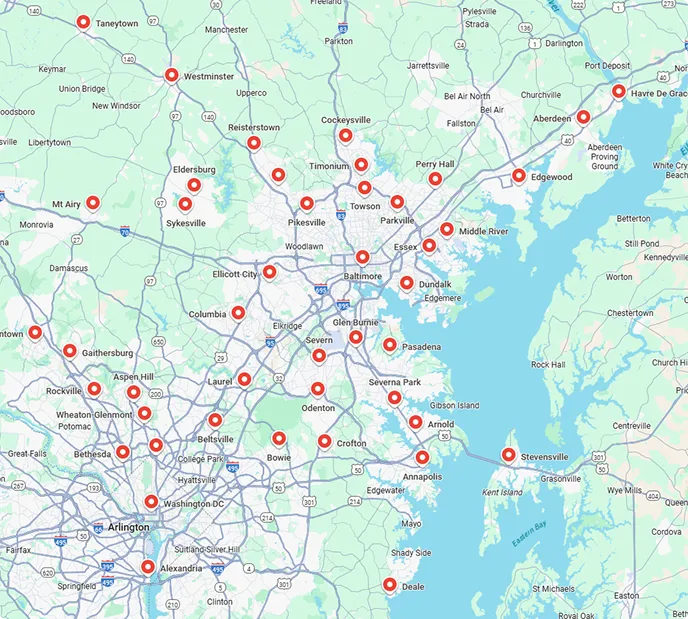
Service areas