

Heat Pump Tune-Up in Middle River, MD
At Tario HVAC, a professional heat pump tune-up in Middle River, MD, means a comprehensive inspection, calibration, and maintenance plan crafted to protect your comfort, significantly improve efficiency, and actively prevent frustrating mid-season failures. Our service thoroughly covers electrical, refrigerant, coils, airflow, and controls checks, alongside a meticulous system startup, detailed performance testing, and a straightforward summary of our findings. Tario HVAC prides itself on clear explanations of our home-friendly inspections, precise calibration steps, and providing simple, actionable tips for you to use between services. We'll also openly discuss the duration of the tune-up, the benefits to your energy use and warranties, and why regular tune-ups are absolutely essential for handling Middle River's unique climate conditions.
.webp)
Heat Pump Tune-Up in Middle River, MD
A professional heat pump tune-up is one of the most cost effective ways to protect your comfort and lower energy bills year round. In Middle River, MD, homeowners face humid summers, cold snaps in winter, and coastal salt air that accelerates wear on outdoor equipment. A thorough tune-up targets electrical, refrigerant, airflow, and control issues before they turn into emergency repairs, helping your system run reliably through both humidity and heating seasons.
What a professional heat pump tune-up includes
A complete tune-up follows a comprehensive inspection and adjustment checklist designed to restore safe, efficient operation and reveal developing problems early. Typical components of a professional tune-up include:
- Electrical system inspection
- Tighten and test electrical connections, contactors, fuses, and breakers
- Measure voltage and amperage to check motor and compressor load
- Test safety switches and controls
- Refrigerant system check
- Check refrigerant charge and operating pressures
- Inspect for visible refrigerant leaks and oil residue
- Verify proper operation of metering devices
- Coils, filters, and airflow
- Clean and inspect indoor and outdoor coils
- Check and replace filters or recommend appropriate MERV rating
- Measure airflow and static pressure to verify sufficient circulation
- Motors, fans, and moving parts
- Inspect blower motor, condenser fan motor, belts, and pulleys
- Lubricate bearings and moving parts as required
- Verify fan speeds and blade condition
- Controls and thermostat calibration
- Calibrate thermostat setpoints and verify correct staging
- Test reversing valve and defrost controls in heat mode
- Confirm proper sequencing between heat pump and auxiliary heat
- Drainage and cabinet inspection
- Clear condensate drains and check for standing water
- Inspect cabinet seals and line set insulation
- Check for rust, corrosion, and debris buildup around the outdoor unit
- System startup and performance testing
- Run the system in heating and cooling modes to measure performance
- Record operating temperatures and COP or efficiency indicators
- Provide a summary of findings and recommended repairs or upgrades
Inspection checklist explained
A homeowner-friendly explanation of the most critical checks:
- Electrical inspections prevent shorts and motor burnout. Loose connections create heat and are a common cause of sudden failures.
- Refrigerant checks ensure your heat pump moves heat efficiently. Low or overcharged refrigerant reduces capacity and stresses the compressor.
- Coil cleaning and proper airflow are essential in Middle River where humidity and pollen reduce heat transfer. Dirty coils and clogged filters force the system to work harder.
- Thermostat and control calibration avoids short cycling and comfort swings. Even small temperature calibration errors can cause frequent on/off cycles and wasted energy.
Calibration, lubrication, and component adjustments
During a tune-up, a technician will:
- Calibrate thermostats and confirm correct temperature differentials for heating and cooling.
- Lubricate motors and bearings where applicable to reduce friction and extend component life.
- Adjust fan speeds, belt tension, and blower wheel alignment to restore proper airflow balance.
- Tighten electrical connections and adjust contact gaps to reduce arcing and wear.
These small adjustments add up to steadier operation, quieter performance, and fewer mid-season failures.
Performance optimization steps
Beyond inspection and minor repairs, a tune-up focuses on optimizing system performance:
- Clean and straighten condenser fins and coils to improve heat transfer.
- Verify refrigerant profile and adjust charge only when measured values indicate need.
- Balance ductwork and advise on sealing or insulation improvements to reduce loss across the system.
- Test and optimize defrost cycles so your heat pump maintains capacity during cold, damp conditions.
- Recommend and verify compatible thermostat schedules and settings to maximize seasonal efficiency.
Optimizing performance is especially important in Middle River where humidity spikes and occasional coastal winds can change load dynamics rapidly.
Expected duration and what to expect during the visit
A standard residential heat pump tune-up typically takes between 60 and 120 minutes depending on system type, accessibility, and findings. During the visit you can expect:
- A visual inspection of indoor and outdoor units, visible ductwork, and thermostat.
- System startup and operation in both heating and cooling modes where applicable.
- Measured readings of temperatures, pressures, voltages, and amperages.
- Cleaning of coils or condensate lines if accessible and required.
- Lubrication and minor adjustments to moving parts.
- A written summary or checklist of performed tasks and any recommended next steps.
Technicians usually start from the exterior unit and work inward to ensure both sides of the heat exchange process are functioning properly. If more extensive repairs are needed, those will be documented so you can schedule follow up work at your convenience.
Why regular tune-ups matter in Middle River, MD
Middle River homes face specific local challenges that make routine tune-ups important:
- Humid summers and pollen load reduce indoor coil efficiency and clog filters faster.
- Proximity to the Chesapeake Bay means salt air can speed corrosion on outdoor coils and electrical terminals.
- Seasonal temperature swings require reliable defrost control and proper refrigerant charging for consistent heating performance.
- Preventing mid-winter or mid-summer failures reduces the risk of discomfort and expensive emergency repairs.
Regular maintenance extends equipment life, preserves manufacturer warranties, reduces energy consumption, and keeps indoor comfort consistent through heat and humidity.
Common heat pump issues a tune-up can prevent
A timely tune-up helps avoid:
- Reduced heating or cooling capacity due to dirty coils or low refrigerant
- Frozen coils caused by airflow restrictions or incorrect defrost operation
- Compressor failure due to electrical problems or improper refrigerant levels
- Short cycling from thermostat or control miscalibration
- High energy bills driven by inefficient operation or duct leakage
- Water damage from clogged condensate drains
Catching these issues early reduces repair costs and downtime.
Simple maintenance tips between professional tune-ups
Keep your system healthier and more efficient by:
- Replacing or cleaning filters monthly during heavy use periods.
- Keeping at least 2 feet of clear space around the outdoor unit and removing debris.
- Checking thermostat batteries and settings seasonally.
- Monitoring unusual noises, odors, or performance drops and noting changes in utility bills.
- Scheduling professional tune-ups at the start of heating season and before peak cooling season.
A professional tune-up is the best way to lock in steady performance and avoid the inconvenience of unexpected breakdowns. Regular attention to the items above combined with annual professional service helps your heat pump deliver reliable comfort for years.

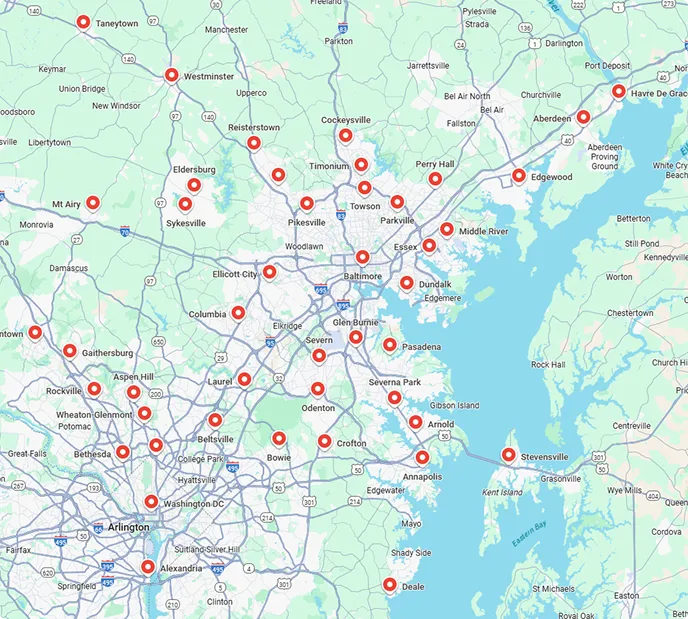
Service areas