

Heat Pump Repair in Havre de Grace, MD
Heat pump repair in Havre de Grace, MD tackles issues like refrigerant leaks, ice buildup, and electrical faults with a thorough diagnostic process. Technicians inspect thermostats, test airflow and refrigerant pressure, check for leaks, and validate repairs post-service. Common fixes include replacing capacitors, fans, coils, or compressors-often with same-day or emergency availability. Homeowners get clear timelines, cost breakdowns, and manufacturer-approved repairs that protect warranties. With proactive maintenance tips tailored to coastal conditions, residents enjoy fewer breakdowns and longer-lasting comfort year-round.
Heat Pump Repair in Havre de Grace, MD
When your heat pump struggles during a Maryland cold snap or loses cooling on a humid Chesapeake summer day, it quickly becomes a top household stressor. Professional heat pump repair in Havre de Grace, MD focuses on restoring reliable heating and cooling, preventing damage to major components, and protecting system efficiency. Havre de Grace homes face coastal humidity, salt-air corrosion, and seasonal temperature swings — all factors that influence common heat pump failures and the best repair strategies.
Common heat pump problems in Havre de Grace homes
Recognizing symptoms early reduces repair scope and preserves system life. The issues below are the ones technicians see most often in this area:
- Loss of heating or cooling — System runs but does not reach set temperature; often caused by low refrigerant, compressor failure, or airflow restrictions.
- Unusual noises — Grinding, rattling, or hissing can indicate loose components, failing motors, reversing valve issues, or refrigerant leaks.
- Short cycling — Unit turns on and off frequently; common causes are improper thermostat placement, electrical faults, or a failing control board.
- Refrigerant leaks — Reduced capacity and potential ice on coils; leaks accelerate corrosion and environmental hazards if not handled properly.
- Electrical faults — Tripped breakers, failure to start, or intermittent operation stemming from capacitors, contactors, or wiring issues.
- Ice buildup and defrost failures — Maryland winters with freeze-thaw cycles can expose defrost control problems or poor airflow.
- Degraded efficiency — High energy bills from dirty coils, clogged filters, or failing components — worsened by coastal humidity and salt deposits.
Diagnostic and troubleshooting process
A systematic diagnosis separates a temporary fix from a reliable repair. Expect a technician to follow a clear, documented process:
- Initial inspection — Visual check of indoor and outdoor units for corrosion, debris, and obvious damage.
- Thermostat and control verification — Confirm settings, wiring, and communication between thermostat and system.
- Airflow assessment — Evaluate filters, ductwork, and blower operation; restricted airflow is a frequent root cause.
- Electrical testing — Measure line voltages, capacitor health, contactor operation, and control board signals.
- Refrigerant and pressure checks — Assess system charge and look for pressure irregularities that indicate leaks or metering device failures.
- Operational testing — Run the system through heat and cool cycles, observe defrost operation, listen for abnormal noises, and note any error codes.
- Leak detection and corrosion assessment — Use electronic detectors or UV dye to locate refrigerant leaks and check outdoor coil integrity, especially in coastal environments.
Diagnostics typically conclude with a clear explanation of required repairs, parts needed, potential alternatives (repair vs replacement), and an estimated timeline.
Parts replacement and component-level repairs
Common repairs for Havre de Grace heat pumps address both mechanical wear and climate-induced issues:
- Capacitor and contactor replacement — Frequent failures that cause starting problems or intermittent operation.
- Fan motor or blower motor repairs — Restore proper airflow; may include bearing replacement or motor swap.
- Compressor repair or replacement — Major repairs when the heart of the system fails; often requires evacuation, brazing, and refrigerant recharge.
- Refrigerant leak repair — Locate and repair leaks, replace damaged lines or evaporator coils, and recharge to manufacturer specification with proper refrigerant handling.
- Reversing valve and defrost control repairs — Fix problems that prevent switching between heating and cooling or stopping ice buildup.
- Coil cleaning and fin repair — Remove salt and debris accumulation that reduces heat transfer; critical near the Chesapeake Bay.
- Control board and sensor replacements — Resolve erratic operation or failed diagnostics.
All refrigerant work should be performed by certified technicians in compliance with federal and state regulations.
Estimated repair timelines and cost factors
Repair timelines depend on diagnosis complexity and parts availability. Typical ranges:
- Minor electrical or component swaps: a few hours to same-day completion.
- Refrigerant leak detection and repair: a day or longer depending on access and severity.
- Major component replacement (compressor, reversing valve): one to multiple days for part procurement and safe recovery/recharge.
Costs vary by age of equipment, accessibility, part availability, and whether OEM or aftermarket components are used. Coastal corrosion or extensive refrigerant recovery needs can increase labor and parts complexity. Warranty status and manufacturer-authorized parts may alter options and timetables.
Emergency and after-hours response options
Certain failures require urgent attention, especially during extreme weather:
- Full system failure during extreme heat or cold
- Suspected refrigerant leaks with strong odors or visible oil
- Electrical arcing, burning smells, or tripped breakers that won’t reset
Emergency response can include same-day dispatch or evening/after-hours technician coverage depending on local service policies. In emergencies, technicians prioritize safety (isolating electrical hazards) and temporary or permanent solutions to restore system function quickly.
Warranty and manufacturer-authorized work
Maintaining manufacturer warranties often requires authorized technicians and OEM parts. Proper documentation of maintenance, repair invoices, and original purchase records supports warranty claims. Authorized work ensures:
- Use of approved replacement parts and refrigerants
- Adherence to manufacturer procedures for controls and component replacement
- Preservation of warranty coverage where applicable
Technicians should provide clear documentation if work is performed under warranty or requires manufacturer authorization.
Preventive tips to avoid future breakdowns
Routine care prolongs system life and defends against Havre de Grace environmental stressors:
- Replace or clean filters monthly during heavy use seasons.
- Schedule professional heat pump tune-ups annually before peak heating and cooling seasons.
- Keep outdoor units clear of salt spray, leaves, and vegetation; rinse outdoor coils seasonally if exposed to salt air.
- Ensure proper airflow around the outdoor unit and maintain 2–3 feet clearance.
- Monitor thermostat settings and avoid frequent program changes that induce short cycling.
- Watch for early warning signs: odd noises, frost accumulation, unexplained energy spikes, or uneven temperatures.
Preparing to schedule service
When you arrange repair, having the following information speeds diagnosis and lets technicians bring the right parts:
- Make and model number and approximate system age
- Description of symptoms and when they began
- Any recent maintenance or unusual events (power surges, storms, pest issues)
- Access notes for the outdoor unit and indoor mechanical area
- Warranty documents or manufacturer details if available
Timely repairs in Havre de Grace not only restore comfort but protect equipment investment against coastal corrosion and Maryland’s seasonal demands. Addressing issues early reduces downtime, prevents cascading failures, and keeps your heat pump operating efficiently year-round.

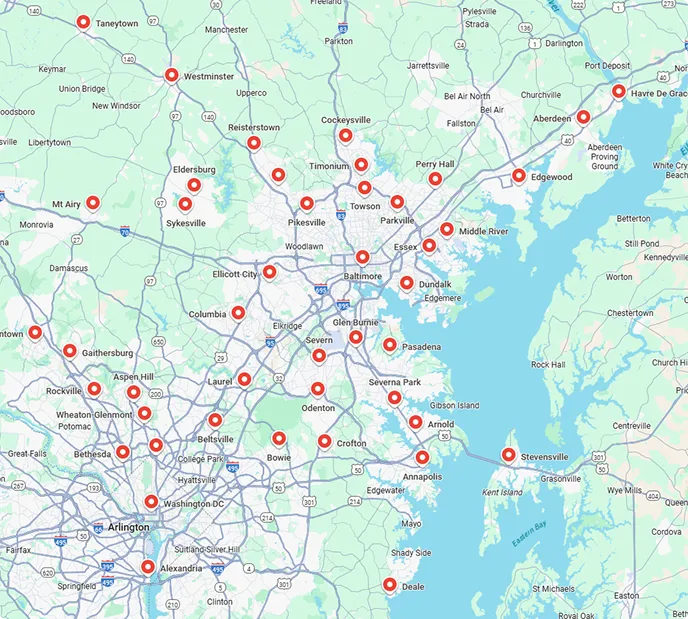
Service areas