

Heat Pump Repair in Columbia, MD
Heat pump repair in Columbia, MD, detailing why timely service matters in a climate with humid summers and cold winters. It outlines signs of trouble, from poor temperature control and short cycling to unusual noises, icing, and refrigerant odors. A professional diagnostic sequence is described, including visual inspections, electrical testing, refrigerant checks, and thermostat verification. It also covers common repairs, replacement parts, warranties, emergency options, typical timelines, and practical steps to prevent future breakdowns.
.jpeg)
Heat Pump Repair in Columbia, MD
Heat pumps are a popular, energy-efficient choice for Columbia, MD homes because they both cool and heat effectively through the year. When a heat pump struggles, it directly impacts comfort, utility bills, and indoor air quality — especially in Columbia’s humid summers and cool winters.
Why prompt heat pump repair matters in Columbia, MD
Columbia’s climate places seasonal demands on heat pumps: high humidity and warm summers increase cooling load, while chilly December–February temperatures and intermittent freezes stress heating performance and defrost systems. Left unaddressed, small issues become major failures, shortening equipment life and increasing energy costs. Timely repair restores comfort, improves efficiency, and helps prevent mid-winter or peak-summer emergencies.
Common heat pump symptoms that require repair
Watch for these clear signs your heat pump needs professional attention:
- Poor cooling or heating output, or inconsistent temperatures between rooms
- Unit cycles on and off frequently (short-cycling) or runs constantly without reaching setpoint
- Unusual noises: grinding, hissing, clanking, or rattling from the outdoor unit or indoor air handler
- Ice buildup on the outdoor coil or frozen refrigerant lines during winter or even shoulder seasons
- Noticeable increase in energy bills without corresponding usage changes
- Warm air blowing when set to heat, or cool air when set to cool
- Tripped breakers, burned-out fuses, or frequent control errors on the thermostat or system display
- Refrigerant odors or visible oil stains suggesting leaks
What a professional diagnostic includes
A thorough diagnosis isolates the root cause before repairs:
- Visual inspection of outdoor unit, indoor coil, air handler, and refrigerant lines
- Electrical testing of capacitors, contactors, relays, fuses, and control boards
- Refrigerant pressure checks and temperature differentials across coils
- Compressor and reversing valve assessment for mechanical or electrical failure
- Thermostat calibration and control system verification, including any smart thermostat integration
- Airflow evaluation: filter condition, blower motor function, duct restrictions, and return vents
- Defrost cycle behavior check and sensor testing during colder conditions
Diagnostics typically identify whether a repair is a simple parts swap, a refrigerant service, an electrical fix, or a larger mechanical replacement.
Common repairs explained
- Compressor repair or replacement: The compressor is the heart of the heat pump. Failures can be electrical (burned windings or start components) or mechanical. Technicians test amperage draw and internal pressures to determine if repair or replacement is required.
- Reversing valve service: If the system won’t switch between heating and cooling, the reversing valve may be stuck or electrically failed. Repair often requires valve replacement and proper charging.
- Refrigerant leaks and recharge: Low refrigerant causes poor performance and ice buildup. Repairs include leak detection, repair of the leak source, vacuuming the system, and correct refrigerant recharge per manufacturer specs.
- Electrical and control faults: Faulty capacitors, relays, fan motors, contactors, and control boards cause startup failures, short-cycling, and intermittent operation. Repairs focus on component replacement and ensuring safe, code-compliant wiring.
- Defrost system and sensors: Inconsistent or excessive icing in Columbia’s colder months can indicate failed defrost controls, sensors, or stuck valves. Replacing sensors or defrost components restores proper cycle behavior.
- Fan and blower motor replacement: Worn bearings, burned windings, or failed start/run capacitors lead to noisy operation and poor airflow. Replacing motors or capacitors restores performance and efficiency.
Replacement parts and warranties
Most reputable parts come with manufacturer warranties on compressors, reversing valves, and major components. After repair, ensure replacement parts are compatible with your unit’s make and model and that warranty paperwork is documented. For older systems, parts availability and manufacturer warranty status influence whether repair or full system replacement is the better long-term option.
Emergency and rapid-response repair options
Heat pump failures during heat waves or cold snaps demand fast response. Emergency services typically provide:
- Rapid on-site diagnostics to assess safety and restore temporary heating or cooling function
- Priority scheduling for parts and labor when immediate repair is required
- Winter safety checks to prevent freeze-related damage when temperatures drop
If the system requires ordered parts, technicians may provide temporary solutions to keep your home safe and livable until repairs are completed.
Typical repair timelines and cost factors
Expected timelines:
- Simple electrical or control component swaps: often completed same day
- Refrigerant leak repair and recharge: same day to a couple of days depending on leak complexity
- Major mechanical repairs or compressor replacement: may require one to several days depending on part availability
- Full system replacement or major retrofits: scheduled over several days to a week or more
Cost is influenced by several factors (no pricing specifics provided): unit age and condition, type of refrigerant required, whether parts are under warranty, complexity of access, and whether additional duct or thermostat work is needed. Technicians will explain repair scope and alternatives after diagnosis.
How to avoid future breakdowns in Columbia homes
Preventive care extends lifespan and reduces emergency repairs:
- Schedule annual or biannual heat pump tune-ups, including refrigerant checks, electrical inspections, and coil cleaning
- Replace or clean filters regularly to maintain proper airflow and efficiency
- Keep the outdoor unit clear: trim vegetation and remove debris; maintain 2–3 feet clearance for airflow
- Protect the outdoor unit from winter drifting and ice buildup with proper clearances and thoughtful landscaping
- Ensure proper thermostat settings and consider smart thermostats for better control and diagnostics
- Address minor odd noises or reduced performance promptly before they escalate into compressor or motor failure
- Seal and insulate ducts where accessible to reduce load and improve comfort consistency
Benefits of timely heat pump repair
Fast, professional repair restores comfort, improves energy efficiency, and prevents collateral damage to ducts, electrical systems, and indoor air quality. For Columbia homeowners, maintaining a properly functioning heat pump means balanced comfort through humid summers and cool winters, lower monthly energy consumption, and longer equipment life.
Regular maintenance and prompt repairs are the most cost-effective strategy for keeping your heat pump reliable through seasonal extremes common in Columbia, MD. When symptoms arise, an informed, timely diagnosis preserves comfort and keeps systems operating at designed efficiency.

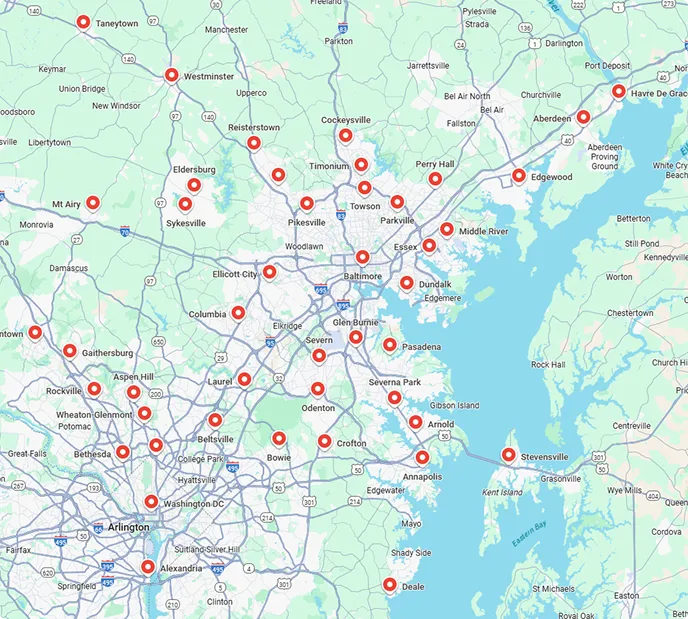
Service areas