

Heat Pump Repair in Alexandria, VA
Heat pump repair in Alexandria, VA is explained with emphasis on diagnosing and fixing issues that affect heating, cooling, and reliability. The page outlines a systematic diagnostic approach-visual inspections, refrigerant checks, electrical testing, component verification, and performance run tests-followed by typical repairs such as compressor work, reversing valve repairs, thermostat recalibration, and refrigerant service. It also discusses timelines, cost factors, emergency availability, and practical preventive steps to extend equipment life and reduce outages for homeowners.
.webp)
Heat Pump Repair in Alexandria, VA
Keeping your heat pump running reliably is essential in Alexandria, VA, where humid summers and occasional cold snaps put continuous demand on heating and cooling systems. Whether your unit is failing to heat on a chilly morning, making unusual noises, or running constantly without comfort, understanding common heat pump problems, how technicians diagnose them, and what repairs typically involve will help you make an informed decision when repair is needed.
Common heat pump problems and symptoms in Alexandria, VA
Homeowners in Alexandria commonly report these issues:
- Loss of heating or cooling: Unit blows cool air in heat mode or warm air in cooling mode.
- Reduced efficiency and rising utility bills: System runs longer or cycles more frequently.
- Unusual noises: Grinding, banging, hissing, or loud clicking from indoor or outdoor components.
- Frequent short-cycling: System turns on and off rapidly, reducing comfort and increasing wear.
- Frozen outdoor unit or coils: Ice build-up on the outdoor condenser during cold, damp weather.
- Thermostat or control failures: Unit won’t respond to thermostat settings or shows erratic behavior.
- Refrigerant leaks or low refrigerant: Poor cooling/heating performance or visible oily residue.
- Electrical problems: Tripped breakers, burned wiring smell, or failed capacitors and contactors.
In Alexandria, salt-laden air near the Potomac and local humidity can accelerate corrosion and affect outdoor components, while older rowhouses and historic homes often present access and ductwork challenges that influence repair choices and costs.
How technicians diagnose heat pump problems
A professional diagnostic follows a systematic process to identify root causes and reliable repairs:
- System inspection: Visual check of outdoor and indoor units, refrigerant lines, air filters, ductwork, and thermostat settings. Technicians look for corrosion, physical damage, and airflow restrictions.
- Refrigerant checks: Measure pressures and temperatures to detect leaks or incorrect charge. Technicians will look for signs of oil residue or dye and verify that refrigerant type and levels match manufacturer specs.
- Electrical testing: Inspect breakers, fuses, contactors, capacitors, relays, and wiring for proper voltage and continuity. Electrical faults are a common source of sudden failures.
- Component testing: Evaluate compressors, reversing valves, fan motors, and control boards using diagnostic tools to confirm which components are defective or failing.
- Airflow and duct assessment: Measure airflow and check filters, evaporator coil cleanliness, and duct leakage that can mimic mechanical failures.
- System performance run: Observe the unit through a full cooling or heating cycle to detect intermittent faults, short-cycling, or defrost issues.
Licensed technicians follow safety and EPA guidelines when working with refrigerants and electrical systems. Accurate diagnosis prevents unnecessary part replacement and ensures long-term reliability.
Typical repair solutions and what they fix
Common repairs performed after diagnosis include:
- Compressor replacement or repair: Fixes loss of cooling/heating or a unit that won’t start. Replacing a compressor is major work and may require refrigerant recovery and system evacuation.
- Reversing valve repair/replacement: Corrects a unit that will not switch between heating and cooling modes.
- Thermostat replacement or recalibration: Solves communication errors, improper cycling, or temperature inaccuracies.
- Fan motor and capacitor replacement: Addresses noisy operation, reduced airflow, and failure to start.
- Control board and relay replacement: Fixes erratic operation, failure to engage components, or system lockouts.
- Refrigerant leak repair and recharge: Seals leaks, replaces damaged sections of line set, and recharges the correct refrigerant amount.
- Defrost control or sensor repairs: Stops outdoor coils from icing up in winter conditions and prevents extended downtime.
- Minor repairs: Cleaning coils, replacing filters, tightening electrical connections, and clearing drain lines to restore efficiency.
Parts may be OEM or comparable aftermarket components depending on availability and warranty considerations. Some older models can be economically repaired; others may have multiple failing components that influence repair decisions.
Expected timelines and cost factors
Repair timelines vary by problem complexity and part availability:
- Minor repairs and adjustments (filters, controls, cleaning): often completed in a few hours.
- Component replacements (fan motor, thermostat, capacitors): typically same-day to next-day depending on parts inventory.
- Major repairs (compressor, reversing valve, refrigerant work): can take a day or more and may require specialized parts or ordering lead times.
Key cost factors that affect repair decisions:
- Age and condition of the heat pump: Older systems are more likely to have multiple failing components.
- Accessibility of equipment: Tight attic spaces, tight exteriors, or historic home constraints increase labor time.
- Part availability and brand: Some OEM parts for older or specialty units require ordering.
- Extent of refrigerant work: Leaks and recovery add time and certified technician labor.
- Electrical or ductwork repairs needed in addition to the heat pump work.
Warranty coverage from the original manufacturer or extended parts warranties can cover some repairs. Labor warranties offered by service providers vary; confirm whether parts and labor are covered and whether the warranty transfers with the home.
Emergency repair availability and what qualifies
Heat pump issues that constitute an emergency in Alexandria include:
- No heat during a cold snap or sustained low temperatures.
- Burning or electrical smell, sparks, or repeated tripping of breakers.
- Major refrigerant leaks with visible oil or hissing sounds.
- Complete system failure in extreme weather that poses safety or health risks.
Emergency service response times vary, but many local technicians prioritize severe heating failures during winter and can often provide same-day or next-day emergency visits. For safety reasons, shut off the system and main breakers if you detect burning smells or visible electrical damage.
Preventative tips to reduce repairs
Routine maintenance extends equipment life and reduces emergency repairs:
- Schedule professional tune-ups twice a year: heating season prep and cooling season check.
- Replace or clean air filters monthly to maintain airflow and reduce strain.
- Keep outdoor units clear of debris, leaves, and vegetation; rinse coils gently to reduce salt and pollen build-up.
- Ensure proper airflow in and around the outdoor unit-mount or shield units in flood-prone or salt-exposed locations.
- Seal and insulate ductwork in older Alexandria homes to reduce energy loss and balance airflow.
- Install and use a programmable or smart thermostat to reduce cycling and wear.
- Keep an eye on system performance: increasing runtime, strange noises, or higher energy use are early warning signs.
Regular maintenance, timely repairs, and attention to local environmental factors will preserve comfort and efficiency for Alexandria homes. Understanding the diagnostic process and typical repair options puts you in a better position to evaluate recommendations and protect your heating and cooling investment.

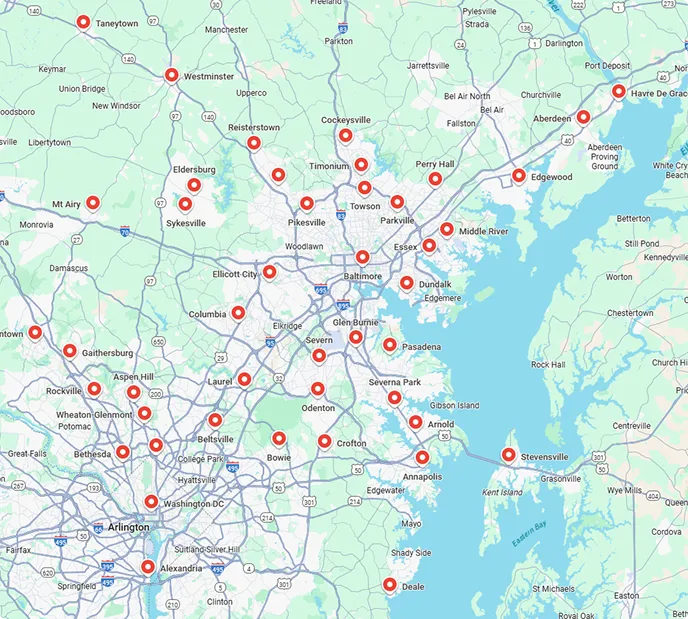
Service areas