



Heat Pump Maintenance in Perry Hall, MD
At Tario HVAC, we know heat pump maintenance in Perry Hall, MD is all about proactive tuning, safety checks, and smart diagnostics to keep your system reliable year-round. We'll explain why regular upkeep is crucial for managing humidity and temperature swings, describe our seasonal tune-up for both indoor and outdoor components, list common Perry Hall issues we often see, outline our diagnostic steps, and review typical repairs. Plus, we offer tailored maintenance plans to make scheduling easy, ensure your warranty stays valid, and deliver predictable energy savings and lasting comfort for your home.
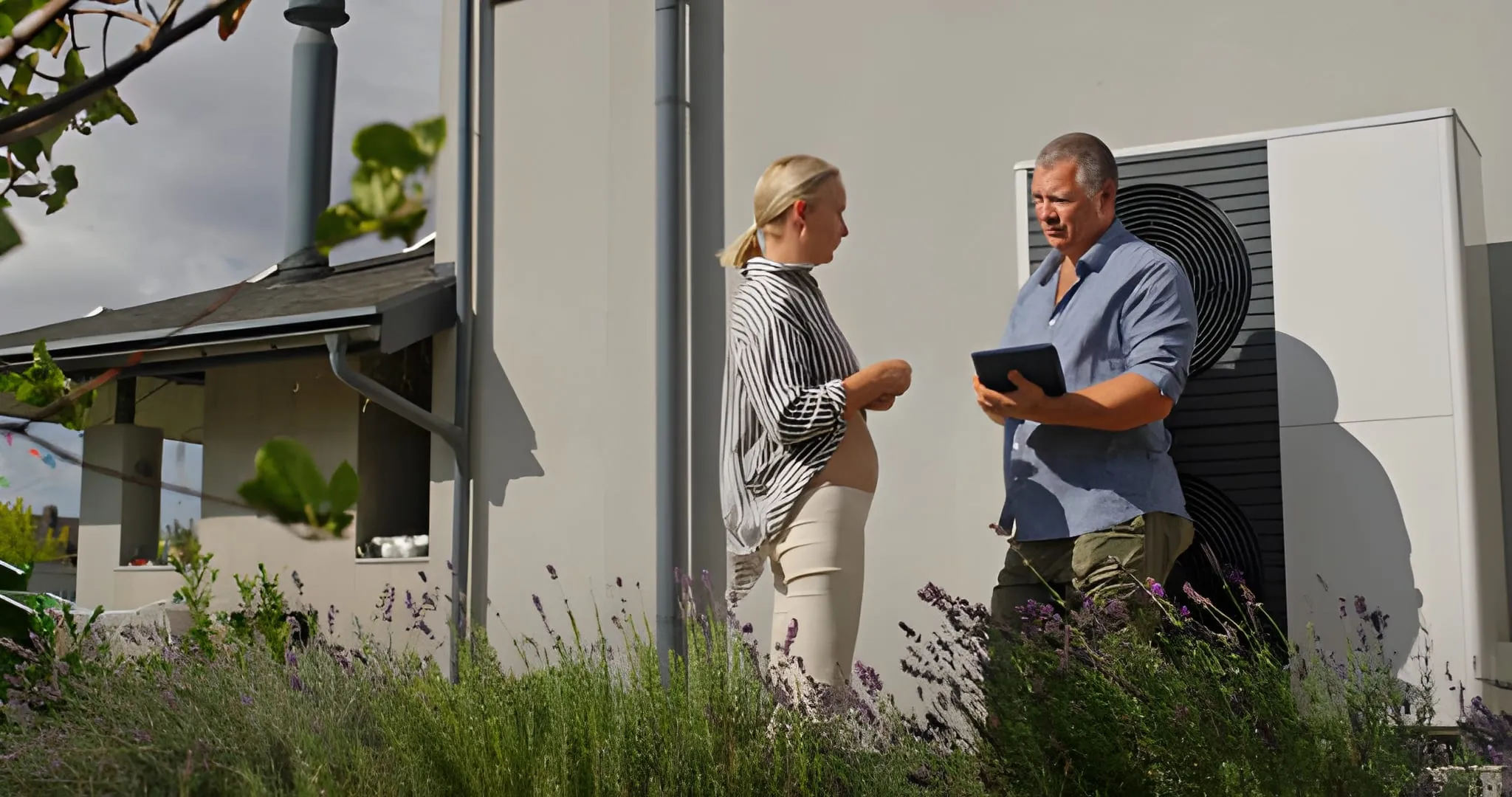
Heat Pump Maintenance in Perry Hall, MD
Keeping your heat pump tuned and dependable is one of the smartest ways to protect comfort and control energy costs in Perry Hall, MD. Because heat pumps provide both heating and cooling, regular maintenance prevents seasonal breakdowns, keeps efficiency high through Maryland’s hot, humid summers and chilly winters, and helps extend equipment life.
Why heat pump maintenance matters in Perry Hall, MD
Perry Hall experiences warm, humid summers and cold winters, which puts year-round demand on heat pumps. High humidity and pollen in spring and summer can clog outdoor coils and restrict airflow. Cold snaps in winter increase run-time and expose components to added stress. Routine maintenance:
- Restores rated efficiency so your system uses less electricity.
- Reduces the likelihood of mid-season failures when temperatures are extreme.
- Preserves manufacturer warranties that often require documented annual service.
- Identifies small problems (refrigerant leaks, worn electrical parts) before they become costly repairs.
What a seasonal tune-up includes
A professional seasonal tune-up for heat pumps in Perry Hall typically covers both outdoor and indoor components and focuses on safety, efficiency, and reliability. Core tasks include:
- Visual inspection of outdoor unit and indoor air handler for physical damage or debris.
- Filter inspection and replacement recommendations; many homes need filter changes more often due to pollen.
- Coil cleaning (evaporator and condenser) to improve heat transfer and airflow.
- Refrigerant level check and leak detection; correcting undercharge or finding leaks when present.
- Electrical system inspection: tightening connections, testing capacitors, contactors, relays, and breakers.
- Motor and fan lubrication where applicable to reduce wear and noise.
- Thermostat calibration and control sequence check, including smart thermostats and staging.
- Defrost cycle and reversing valve check to ensure efficient winter operation.
- Airflow measurement and static pressure check to identify duct or filter restrictions.
- System performance testing: temperature split, running amperage, and overall operating efficiency.
Common heat pump maintenance issues in Perry Hall homes
Local climate and housing stock contribute to patterns of issues that technicians commonly find:
- Dirty coils and clogged filters: Elevated pollen and debris reduce efficiency and increase run-times.
- Refrigerant leaks: Older systems or damaged lines can develop leaks; low charge causes poor heating in winter.
- Electrical wear: Capacitors and contactors age and are stressed by frequent start/stop cycles.
- Reduced airflow from duct leaks, closed vents, or dirty evaporator coils.
- Defrost or reversing valve failures: These can cause icing in winter or inadequate heating.
- Outdoor unit obstruction: Leaves, shrubs, and mulch placed too close restrict airflow and trap moisture.
- Worn compressor or fan motors on aging units, indicated by abnormal noise or higher current draw.
Diagnostic and testing process explained
A thorough maintenance service uses a combination of visual checks and measurements to diagnose problems noninvasively:
- Start-up and control checks: Confirm correct startup sequence and check thermostat communication.
- Electrical diagnostics: Measure voltage and current to motors and compressors to identify failing components before they fail completely.
- Refrigerant verification: Use gauges and temperature differentials to confirm proper charge and detect leaks with electronic leak detectors when needed.
- Airflow and temperature tests: Measure return and supply temperatures to calculate temperature split and assess heat-transfer performance.
- Operational cycle review: Observe defrost cycles, fan speeds, and compressor run behavior to spot intermittent faults.
These diagnostics allow technicians to recommend targeted repairs rather than guesswork, resulting in faster fixes and fewer repeat calls.
Repairs and solutions performed during maintenance
When a tune-up reveals issues, common repair actions include:
- Coil cleaning and condenser fin straightening to restore airflow and heat transfer.
- Refrigerant leak repair and safe recharge to manufacturer charge specifications.
- Replacement of worn capacitors, contactors, fan motors, or relays to restore reliable starts and operation.
- Duct sealing recommendations or addressing airflow restrictions in the air handler.
- Thermostat recalibration or reprogramming for accurate control and efficient staging.
- Replacing clogged condensate drains and ensuring proper condensate management to prevent water damage.
Technicians prioritize safety and long-term value: when a component is near failure, replacement is recommended rather than temporary fixes that can lead to emergency breakdowns during extreme weather.
Heat pump maintenance plans and service agreements
A maintenance plan or service agreement designed for Perry Hall homeowners organizes regular service and documentable care—key for reliability and warranty compliance. Typical plan features include:
- Scheduled seasonal tune-ups (commonly twice a year: spring for cooling, fall for heating).
- Detailed inspection reports and recommended action items after each visit.
- Priority scheduling for plan members during peak seasons.
- Records kept of service history to support warranty requirements and resale value.
- Clear scope of work and response times outlined in the agreement so homeowners know what to expect.
Plans are structured to make upkeep predictable and to reduce the total cost of ownership through prevention rather than emergency repairs.
Recommended maintenance schedule and homeowner tips
For Perry Hall homes, follow these guidelines:
- Full professional tune-up twice a year: late spring (before cooling season) and early fall (before heating season).
- Replace or clean filters every 1–3 months depending on filter type, household pets, and pollen levels.
- Keep at least 2–3 feet of clearance around the outdoor unit; remove leaves, grass clippings, and debris.
- Ensure outdoor condensate drainage is clear and that mulch or landscaping is not obstructing airflow.
- Watch for early warning signs: reduced heating in winter, higher energy bills, unusual noises, or frequent short cycling.
Prompt attention to these items reduces wear and helps systems operate closer to their original efficiency rating.
Reliable comfort and lower operating costs
Routine heat pump maintenance in Perry Hall, MD is a practical investment: it keeps systems efficient in humid summers and cold winters, reduces emergency repairs, preserves warranty coverage, and extends equipment life. A documented maintenance plan with seasonal tune-ups, thorough diagnostics, and prioritized service protects comfort and delivers predictable, long-term value for your home. Regular care helps ensure your heat pump is ready to perform when you need it most.

Service areas
