

What Causes Rusty Water From My Tankless Water Heater In Catonsville?
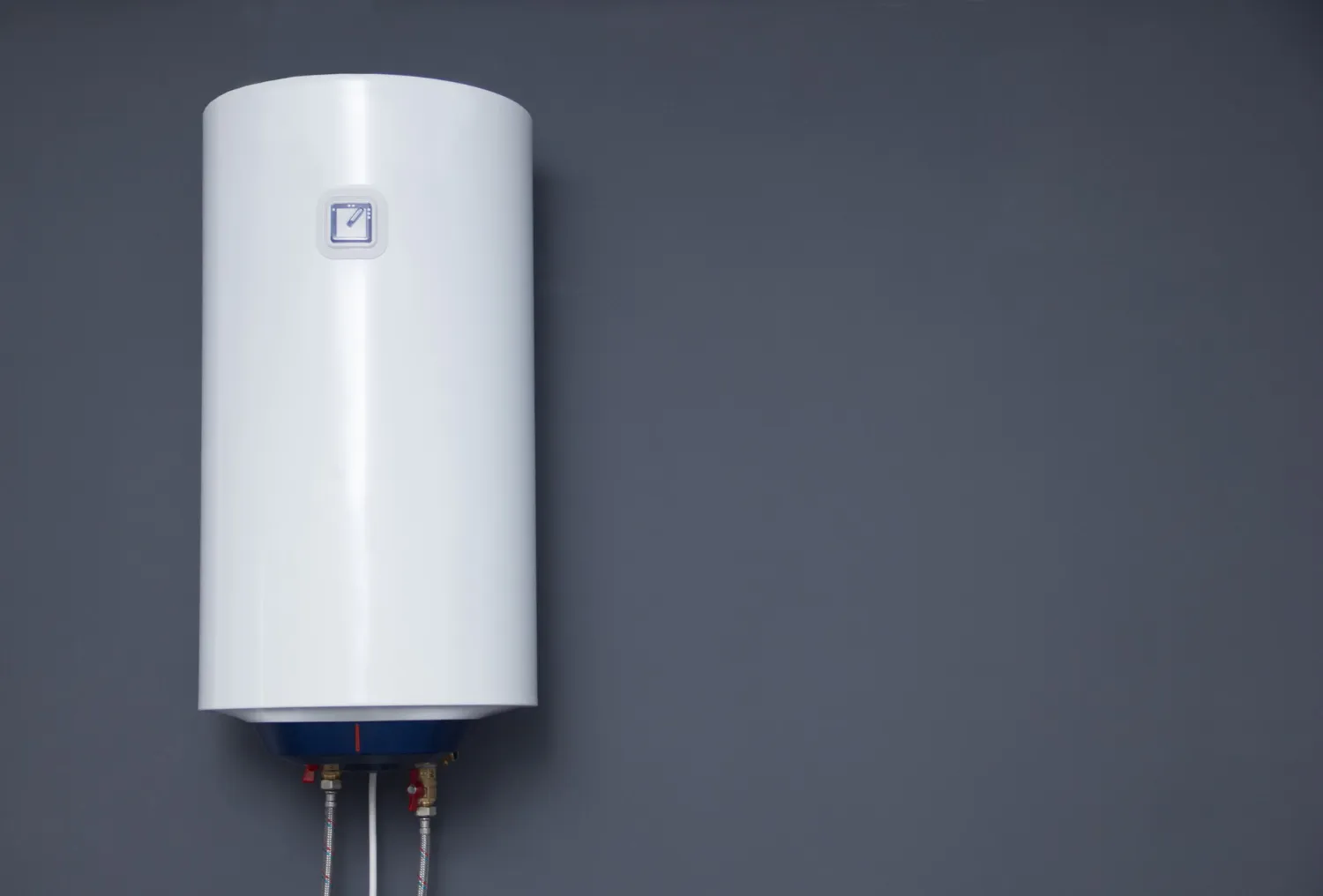
A tankless water heater is built to deliver hot water on demand without storing it in a tank. This design helps many households in Catonsville reduce energy use and save space. However, like any appliance, a tankless unit can develop issues over time. One of the more noticeable problems is when rusty or discolored water starts coming out of the hot water taps. This not only signals a possible problem inside the system but also raises concerns about water quality and the potential for damage.
If you’ve turned on your hot water and seen brown or reddish water flowing out, it is often linked to rust. While a tankless heater doesn’t store water like a traditional tank system, it still has metal parts and internal pathways that can rust under certain conditions. Homeowners in Catonsville should take this sign seriously. Rusty water can point to internal corrosion, pipe issues, or water supply concerns. If left unresolved, it may lead to higher repair costs and reduce the life of your heater.
Causes of Rusty Water in Tankless Water Heaters
Discolored water can come from different sources, and finding the cause is the first step to fixing the problem. A few problems can lead to rust showing up in your hot water supply.
1. Corroded Pipes
Many older homes in Catonsville still have galvanized steel pipes. These pipes can slowly corrode from the inside. As the metal breaks down, rust particles flake off and flow into your water. Hot water speeds up this process, which is why you might only notice discoloration when using hot taps. If you see rust in both hot and cold water, it is more likely related to pipe corrosion than your heater.
2. Mineral Buildup Inside the Heater
If your home has hard water, minerals like calcium and magnesium can collect inside your heater’s inlet and outlet connections. Over time, these minerals can wear down internal metal components. Corrosion can follow, even in units made from stainless steel. This doesn’t happen overnight, but once rust starts appearing, it means the damage may already be affecting performance.
3. Water Supply Quality
Even if your plumbing and heater are in good shape, the water coming into your home can cause problems. In some areas of Catonsville, high iron content in the municipal line or from a private well can cause staining and discoloration that looks like rust. You might spot this even more during times when water demand is high, such as during late summer when people use more water for cleaning, outdoor activities, or vacation prep.
These sources can create similar symptoms, so it’s helpful to look for patterns. For example, if rusty water only appears when using multiple taps or appliances, it might be tied to system load. But if it’s steady and always from the hot side, it’s likely related to the heater or the nearby plumbing.
Signs Your Tankless Water Heater Needs Attention
Rust isn’t always easy to identify right away. Sometimes it shows up slowly, or you just get small clues at first. The key is to notice the early signs so you can stop the problem before it becomes serious.
Here are some warning signs to keep an eye on:
– Brown or Red-Tinted Water
If your hot water looks cloudy, orange-toned, or rusty, something inside the system is breaking down. Consistent discoloration usually means internal parts are starting to wear or corrode.
– Metallic Taste in Water
A bitter, metallic flavor in your tap water is another red flag. This often points to small amounts of rust mixing in. Even if the water still looks clear, that taste means there’s a chemical change happening as metal starts to corrode.
– Noticeable Drop in Water Pressure
Clogs caused by rust or mineral deposits inside the water lines can narrow the flow. That means you’ll start to notice showers feeling weaker or hot water taking longer to reach sinks.
– Uneven Heating or No Hot Water
Sometimes rust causes buildup inside the heating channels. That can result in inconsistent water temperatures. If your hot water starts to turn cold too quickly or doesn’t seem to stay stable, there could be corrosion playing a part.
Homeowners in Catonsville often ignore these signs at first because the water still flows. But the longer you wait, the more damage corrosion can cause. Replacing internal parts gets harder the longer rust has a chance to spread. If you notice more than one of these signs, it’s time to have your system inspected.
Preventing Rust in Your Tankless Water Heater
To avoid rust-related problems in your tankless water heater, regular upkeep is key. Even newer systems in Catonsville can run into issues if sediments and minerals build up. Preventive measures may seem like small tasks, but they go a long way in protecting your unit’s performance and your home’s water quality.
One of the best ways to protect a tankless heater from corrosion is by setting a consistent maintenance schedule. When our professionals perform a tune-up, they will check internal components for early signs of wear. This includes flushing the unit to remove built-up minerals and inspecting heat exchangers and inlets for small scale deposits. A routine check might also uncover tiny leaks or worn seals that could lead to rust if left alone.
Another smart move is installing a water softener if your home has hard water. Hard water speeds up the rate that minerals and calcium settle inside the heater. Over time, this buildup can damage the metal surfaces and lead to rust. Softeners work by filtering out minerals before they reach your system, giving the heater a better shot at a longer, cleaner life.
Lastly, make sure your heater was installed properly. Units that are not mounted or piped in correctly are more likely to trap water, corrode faster, and run at lower efficiency. Any time a tankless water heater needs to be installed or moved, it is best to leave the job to trained technicians who understand the technical and safety requirements. A solid installation helps reduce pressure problems and drain line complications that contribute to rust over time.
When to Call Our Professionals
Some rust issues can spread quickly, especially if the heater has been running with scale buildup or internal leaks. If you have already spotted discolored water, inconsistent heating, or noticeable drops in water pressure, then it’s time to stop guessing and bring in our technicians.
Our professionals have the right tools and training to perform a full inspection and clear diagnosis. During a service visit, you can expect:
- A full system check to locate any sources of corrosion or blockage
- Flushing the unit to remove mineral buildup
- Testing the hot water lines for leaks or pipe corrosion
- Inspection of the combustion area or heating elements for gas or electric units
- Guidance on repairs or replacement options if the damage is extensive
If you delay service, you risk permanent damage to the exchanger or internal piping, which often costs a lot more to fix than routine maintenance would have. Addressing the problem early helps avoid having to replace the entire unit down the line. If maintenance is done regularly, serious rust issues can usually be avoided altogether.
Keeping Your Catonsville Home’s Water Clean and Clear
Rusty water isn’t just unattractive. It can also lead to clogged fixtures, spotted laundry, and worn plumbing. When it starts coming from your tankless heater, it is a sign that buildup or corrosion has reached a point where action is needed. Staying on top of maintenance and calling in help when you notice changes in how your water looks or tastes will help prevent long-term issues.
Residents in Catonsville who want their tankless water heater to run longer and more efficiently should think of prevention as part of home upkeep. Addressing even small signs early makes it easier to protect both your system and the water quality in your home. Regular flushing, quality installation, and prompt service when problems arise are all part of keeping your hot water running clean and steady year-round.
If you’re noticing early signs of corrosion or reduced performance, it’s important to protect your home’s water quality with reliable maintenance. Tario HVAC recommends scheduling professional tankless water heater installation in Catonsville to ensure your system is working efficiently and remains free from harmful buildup. Our technicians can examine your unit, flush out mineral deposits, and address any issues before they become costly repairs. For a quick estimate or to book a service visit, please contact us today.

Service areas