
What Influences Heat Pump Service Cost? Learn Here!
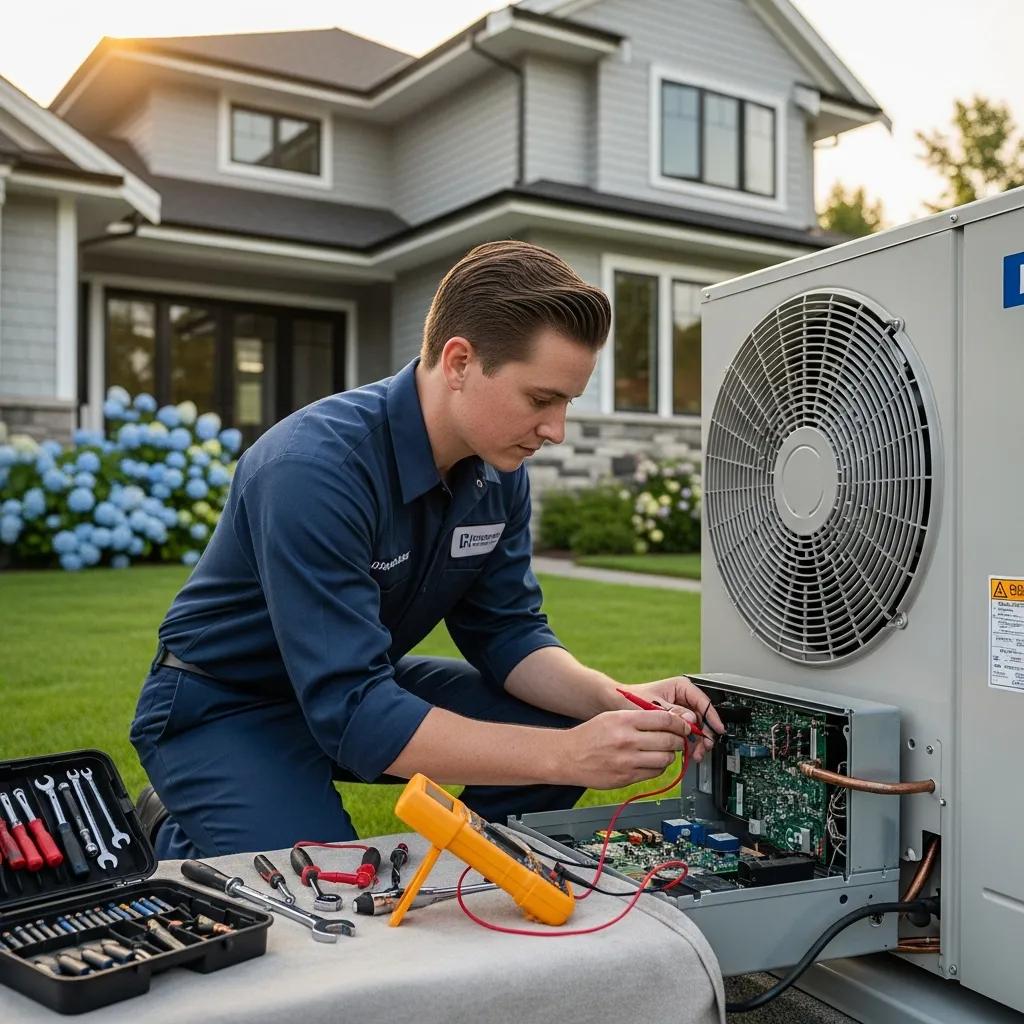
What Affects Heat Pump Repair Costs: A Baltimore Guide to Typical Prices and Key Factors
“Heat pump repair cost” covers what you pay out of pocket to diagnose and fix a heat pump: the diagnostic visit, parts, labor, refrigerant recovery/recharge, and any disposal fees. In the Baltimore area, a routine repair call — from diagnosis through a common part swap — usually falls in a mid-range price band, while emergency calls or peak-season demand push costs higher. This guide explains how parts, local labor rates, system age and brand, warranty coverage, and the repair‑vs‑replace choice all combine to determine your final bill. You’ll find Baltimore‑specific averages, typical ranges for compressors and refrigerant work, how warranties can cut your cost, and practical maintenance and financing steps that lower lifetime expense. The article is broken into clear sections so you can find the answers you need fast.
What Is the Average Cost to Repair a Heat Pump in Baltimore?
Average repair cost combines the diagnostic fee with the parts and labor needed to get the heat pump back to normal. Local market conditions — technician availability, emergency premiums, and seasonal demand — determine the final number. In Baltimore, small fixes like replacing a capacitor or thermostat sit at the lower end of local ranges, while compressor swaps or major refrigerant repairs land at the high end. Knowing what a diagnostic visit covers and the typical price bands helps you set realistic expectations before you approve work. Below is a concise summary of local averages, common ranges, and the situations that push costs up.
Common Baltimore‑area diagnostic and repair ranges and when they apply:
- Diagnostic visits: typically $75–$150 for standard daytime appointments; higher for after‑hours or emergency calls.
- Minor part replacements (capacitor, contactor, thermostat): typically $150–$450 including parts and labor.
- Major refrigerant or compressor work: typically $800–$3,500 depending on refrigerant type, accessibility, and whether a compressor swap or full system recovery is required.
These local details show how labor rates and after‑hours premiums drive totals higher when jobs are more complex or urgent.
Intro to the diagnostic fee table and purpose: the table below adapts national averages to Baltimore, clarifies what diagnostic fees usually cover, and flags common scenarios that increase costs.
| Repair Type | Typical Diagnostic Fee | Local Baltimore Cost Range | When Costs Spike |
|---|---|---|---|
| Basic electrical/controls | $75–$150 | $150–$450 | After‑hours calls, hard‑to‑access panels |
| Refrigerant leak detection & recharge | $100–$150 | $400–$1,200 | R‑22 systems, multiple leak locations |
| Compressor replacement | $125–$150 | $1,200–$3,500+ | Special refrigerants, difficult access, system age |
This table makes diagnostic expectations and local repair ranges easier to compare; note that diagnostic fees are often credited toward the total when you approve repairs during the same visit. Next, we show how local labor rates factor into these totals with a simple example.
How Do Local Labor Rates Impact Heat Pump Repair Prices?
Labor makes up a large slice of repair invoices because HVAC techs charge hourly or use flat rates that reflect local wages and overhead. In Baltimore, residential technician rates vary by company and time of day: daytime rates are lower than after‑hours premiums, and travel or long diagnostics add billable time. Labor covers troubleshooting, disassembly/reassembly, refrigerant recovery and recharge, and electrical testing — each step adds hours and cost. For example, a 2.5‑hour repair at $95/hour equals about $238 in labor before parts, taxes, or disposal fees.
Knowing how labor adds up helps you read estimates: if a job needs multiple techs, a crane or extended refrigerant recovery, labor time — and the bill — increases quickly. That leads into how diagnostic fees are structured on final invoices.
What Are Typical Diagnostic and Service Fees for Heat Pump Repairs?
Diagnostic fees cover a technician’s travel, time, and testing to identify the problem. A standard diagnostic typically includes system start‑up checks, basic electrical tests, refrigerant pressure readings, and a written recommendation. Expect $75–$150 for a standard visit, with higher rates for weekends or emergencies. Some companies credit the diagnostic charge if you approve repairs on the same visit. Diagnostic‑only visits identify the issue but don’t include parts or repair labor; a repair visit includes both diagnosis and the repair labor performed that day.
Diagnostic credits can reduce your immediate out‑of‑pocket cost, but always confirm whether quoted prices include parts, disposal, or environmental fees. Clear expectations about diagnostic policies make it easier to compare providers, especially in high‑demand seasons when prices vary more.
Which Heat Pump Components Most Influence Repair Costs?

Certain components drive the largest repair bills because they’re expensive to replace, need specialized labor, or require refrigerant recovery and precise matching. High‑cost items include compressors, reversing valves, control boards, and major coil assemblies. Each fails in different ways and has distinct service needs; problems with these parts usually create the biggest invoices. Knowing which part is likely causing symptoms helps you evaluate repair versus replacement.
Key high‑cost components and a quick snapshot:
- Compressor — the most expensive single part and often the tipping point between repair and replace.
- Reversing valve — costly and labor‑intensive if the system must be evacuated.
- Control board — can be pricey when OEM parts are needed or corrosion complicates the swap.
- Evaporator/condenser coils — replacing or repairing coils is costly because of refrigerant handling and labor.
The table below maps common symptoms to likely component failures and shows typical combined parts‑and‑labor ranges for quick reference.
| Component | Common Failure Symptoms | Typical Cost Range (Parts + Labor) |
|---|---|---|
| Compressor | No heating/cooling, loud bearing noise | $1,200–$3,500+ |
| Refrigerant (leak) | Loss of capacity, ice on coil, longer runtimes | $400–$1,200 |
| Control board | Intermittent operation, failure to start | $250–$900 |
| Fan motor | Weak airflow, humming or grinding | $200–$700 |
| Reversing valve | No change between heat and cool modes | $800–$1,800 |
This table shows why compressors and refrigerant repairs typically produce the largest invoices and when costs rise because of access or refrigerant type. The next sections look closer at compressor and refrigerant costs.
Component diagnostics and repairs: Tario HVAC performs targeted testing to identify failed parts and gives clear repair‑vs‑replace recommendations for Baltimore homeowners. To request an on‑site diagnostic or a written quote, you can contact the company directly by phone or via the link below — this helps ensure transparency when a component decision determines the next step.
What Is the Cost to Replace a Heat Pump Compressor?
Compressor replacement is often the single most expensive repair because the part is costly and the work usually requires system evacuation and recharge. Typical totals run from around $1,200 for small, easily accessed units to $3,000+ for large systems, premium compressors, or jobs needing complex recovery and charging. Cost drivers include special refrigerants, matched‑component requirements to keep warranties valid, difficult access (rooftop or cramped mechanical rooms), and disposal or recycling fees for the old compressor.
Practical rule: if a compressor repair approaches or exceeds about 50–60% of the cost of a comparable new system, replacement often offers better long‑term value because new systems are more efficient and come with fresh warranties. Consider the age and condition of the rest of the system — cascading failures on older units can make a costly compressor repair only a short‑term fix.
Knowing which heat pump technologies and compressor types are most common in homes can also help you decide whether to repair or replace.
Residential Heat Pump Technologies & Compressor Types
Many residential heat pumps sold and installed in the U.S. are ducted air‑source systems equipped with conventional, single‑speed compressors. Where are Today’s Residential Heat Pump Technologies Cost-Effective?, S Krishnamoorthy, 2021
How Much Does Refrigerant Leak Repair Typically Cost?
Refrigerant leak repair usually includes leak detection labor, patching or replacing the failed component, and recharging the refrigerant. Typical combined costs start around $400 for a single, accessible leak on modern refrigerants and can exceed $1,200 when there are multiple leaks, hard‑to‑reach tubing, or phased‑out refrigerants. Refrigerant type matters: legacy R‑22 systems cost more to service because the refrigerant is scarce and pricier, while modern refrigerants are generally cheaper but still require certified recovery and precise charging.
Repeated leaks or inaccessible leak sites may mean repair is only temporary and replacement is more economical. Always ask for leak verification and a written estimate that separates detection, repair, and recharge so you can compare options clearly. Proper diagnosis reduces repeat visits and helps preserve system efficiency.
How Do Heat Pump Age and Brand Affect Repair Expenses?
System age and brand affect repair costs through part availability, common failure patterns, and OEM pricing. Older units face part obsolescence and higher failure rates, while some premium brands charge more for OEM parts and can have longer lead times. Those factors raise parts costs and extend labor time as technicians source replacements or perform workarounds.
In practice, units older than about 10–15 years usually need more frequent repairs and run less efficiently, making cumulative repair costs add up compared with replacement. Brand differences matter: some manufacturers use proprietary components that are more expensive or harder to source, while commodity parts may cost less but vary in durability. The next sections explain why age raises repair costs and how brand choice affects pricing.
Why Does Older Equipment Usually Cost More to Repair?
Older heat pumps tend to cost more because parts become scarce, failures happen more often, and worn systems are likelier to have cascading issues. When manufacturers discontinue components, technicians may need to hunt for used parts, retrofit substitutes, or recommend replacing larger assemblies — each option adds parts and labor costs. Older units also run less efficiently, which raises operating costs and can hide smaller faults until they become major problems.
Maintenance needs typically increase with age: a unit that once needed a single annual tune‑up may demand several repairs in a short span, increasing lifetime ownership cost. These realities feed directly into the repair‑versus‑replace decision homeowners face.
How Do Different Heat Pump Brands Influence Repair Pricing?
Brand affects pricing through OEM part costs, proprietary designs that complicate service, and different reliability histories. Premium brands often charge more for OEM parts, while value brands may have cheaper parts but higher failure rates. Aftermarket parts can reduce a repair bill but may affect warranty coverage or long‑term reliability, so weigh lower upfront cost against potential future repairs.
What Role Does Warranty Coverage Play in Heat Pump Repair Costs?
Warranty coverage changes your out‑of‑pocket costs by determining whether parts, labor, or both are covered by the manufacturer or an extended plan. Typical manufacturer warranties cover major components for a set period but often exclude labor or prorate parts over time. Service contracts and extended warranties can reduce immediate costs through covered repairs, priority scheduling, or discounted parts and labor, but you should confirm the terms so you don’t assume coverage that isn’t there.
How Can Warranty Plans Reduce Out-of-Pocket Repair Expenses?
Warranty plans reduce expenses when they cover parts, labor, or both for specified failures. Extended service plans often add perks like priority scheduling, maintenance reminders, and discounted rates. When a failure falls clearly inside warranty coverage, the manufacturer or plan can handle parts costs and sometimes labor, which lowers what you pay. Keep regular, documented maintenance records — most warranties require proof of proper service to approve claims.
Ask for a clear explanation of what your warranty or service contract covers and how diagnostic fees are handled under the plan. Those details determine your actual savings when a repair happens.
What Are Common Warranty Limitations for Heat Pump Repairs?
Common warranty limits include exclusions for improper installation, lack of recommended maintenance, use of non‑OEM parts, and normal wear‑and‑tear. Many warranties prorate part coverage after an initial period and cap labor reimbursement. Damage from external causes — floods, pests, or owner modifications — is typically excluded. To avoid surprises, confirm whether diagnostic fees are included and what conditions could void a claim.
Checking coverage before you authorize work prevents unnecessary out‑of‑pocket charges and clarifies whether repairs will be billed to you or handled under warranty — especially important for large components.
Research on heat pump reliability underscores why knowing common faults and warranty windows matters.
Heat Pump Faults & Warranty Period Analysis
Because the study did not cover every fault reported to heat pump manufacturers in Sweden, it cautions against generalizing which heat pump type has the most issues. A comprehensive study on the important faults in heat pump system during the warranty period, H Madani, 2014
Practical follow‑up: Tario HVAC checks warranty status during diagnostics and coordinates with manufacturers when coverage applies. The company also offers flexible financing through Wells Fargo and Wisetack and provides discounts for military personnel, veterans, and healthcare workers to lower upfront cost. Ask your technician about warranty paperwork and financing when you schedule service.
When Should You Choose Heat Pump Repair Versus Replacement?
Simple framework: repair makes sense for isolated minor problems, systems under warranty, or when the repair is a small share of replacement cost. Replacement is typically the better choice for repeated breakdowns, major failures (like a compressor or coil), or systems past their economic life — commonly around 10–15 years. A practical rule: if one repair costs roughly 50% or more of a comparable new system, replacement often delivers better long‑term value because new equipment is more efficient and comes with fresh warranties.
Use the checklist below to weigh repair cost, system age, efficiency gains, and likely future repairs when making a decision.
- Repair likely if: the problem is a minor component, the system is under warranty, or the unit is relatively new.
- Replace likely if: the compressor fails, the system is older than 10–15 years, or repairs are frequent and costly.
- Consider lifecycle costs: add repair cost plus expected future repairs and compare to the price and energy savings of a new unit.
These criteria lead into the specific factors to quantify repair vs. replacement decisions and a ballpark comparison to installation costs.
What Factors Determine If Repair or Replacement Is More Cost-Effective?
Key factors are repair cost as a percentage of replacement cost, system age, potential energy‑efficiency gains from a new unit, and how often you expect future repairs. If a repair is about 40–60% of a reasonable new‑installation estimate, replacement often gives better long‑term value because new systems run more efficiently and include warranties. Also factor in energy savings: a modern, high‑efficiency heat pump can cut operating costs and help offset replacement expense over time.
An example: a $2,000 compressor repair on a 13‑year‑old unit that would cost $6,000 to replace suggests replacement is likely the better investment, especially if the system had multiple repairs in recent years.
How Do Repair Costs Compare to New Heat Pump Installation Prices?
Ballpark replacement costs for a complete residential heat pump installation usually run between roughly $4,000 and $8,000, depending on capacity, efficiency, and installation difficulty. Major repairs like a compressor swap or extensive coil work can approach those figures, making replacement more sensible when the system is older or multiple major components would still be left unchanged after repair. Financing can spread the cost and make replacement more manageable when a repair would only delay the inevitable.
Compare detailed repair estimates with a realistic installation quote and include projected energy savings and warranty benefits to reach a sound decision.
How Can Homeowners Save Money on Heat Pump Repairs?
You can lower repair costs with preventive maintenance, early detection, smart parts choices, and financing or discount programs. Proactive steps reduce emergency breakdowns and expensive major failures. The actions and the comparison table below highlight high‑impact strategies to cut immediate and lifetime HVAC costs.
High‑impact money‑saving actions homeowners can take:
- Schedule annual tune‑ups: keeps efficiency high and catches small issues before they become big repairs.
- Change filters and keep clearances: inexpensive tasks that prevent coil icing and motor strain.
- Call for diagnostics at the first sign of odd noises or reduced performance: early fixes often save parts and labor.
Intro to savings‑impact table: the table below lines up actions with what they prevent and an estimated annual savings or impact on repair risk.
| Action (Maintenance/Program) | What It Prevents | Estimated Annual Savings/Impact |
|---|---|---|
| Annual professional tune-up | Major failures, reduced efficiency | $150–$400 in avoided repairs/energy |
| Regular filter replacement | Motor strain, coil fouling | $50–$200 in extended component life |
| Prompt leak detection | Refrigerant loss and recurring service | $200–$1,000 avoided per major leak |
| Financing/discount use | Large upfront replacement costs | Immediate cash‑flow relief; reduces emergency replacement pressure |
This comparison shows that modest preventive investments and timely action often pay for themselves through avoided repairs and lower energy bills. The next two short sections cover maintenance practices and local financing or discount options.
What Maintenance Practices Help Prevent Costly Repairs?
Routine steps that reduce repair frequency include seasonal professional tune‑ups, regular filter changes, keeping outdoor units clear of leaves and debris, and ensuring your thermostat is calibrated. These tasks lower strain on compressors and motors, help maintain refrigerant charge, and keep airflow steady. A standard professional tune‑up usually includes coil cleaning, electrical inspection, refrigerant pressure checks, lubrication, and performance testing — services that spot small issues before they become expensive failures. Homeowners who follow a simple seasonal checklist and schedule annual service typically see fewer emergency calls and longer component life.
These practices create early detection pathways that lead to fewer repairs and lower lifecycle costs.
Are There Financing or Discount Options Available Locally?
Local financing and discount options make large repairs or replacements easier to manage by spreading cost or lowering upfront outlay. Common partners include point‑of‑sale financing programs and payment plans. Tario HVAC works with Wells Fargo and Wisetack to offer flexible financing for qualified homeowners. Many providers also offer discounts for military personnel, veterans, and healthcare workers to reduce out‑of‑pocket expense for essential repairs.
When planning repairs or replacement, ask your service provider about financing terms, eligibility, and required documents. Pairing preventive maintenance with financing options helps you avoid rushed emergency decisions that often cost more.
Service area note: Tario HVAC serves the Baltimore metropolitan area from Halethorpe, MD, offering heat pump repair and installation, air conditioning repair, and heating repair for homes and businesses. They provide financing through Wells Fargo and Wisetack and discounts for military personnel, veterans, and healthcare workers. Call to schedule diagnostics or get a written quote.
Why Choose Tario HVAC
We’re a family‑owned team based in Halethorpe, MD, serving the Baltimore area with hands‑on heat pump repair and installation services. Our approach centers on transparent diagnostics and straightforward repair‑versus‑replace advice so you can weigh options using local cost data and warranty information. To request a diagnostic visit or get a repair quote, call the number listed in local directories and ask about financing and eligibility for military or healthcare worker discounts.
Frequently Asked Questions
What are the signs that my heat pump needs repair?
Watch for inconsistent heating or cooling, unusual noises like grinding or hissing, and higher energy bills without a change in use. Ice buildup on coils, frequent short cycling, or poor airflow are also warning signs. Addressing problems early can prevent bigger, costlier repairs.
How can I find a reliable HVAC technician for heat pump repairs?
Start with referrals from friends, family, or neighbors and check online reviews on Google or Yelp. Verify the technician is licensed and insured and has heat pump experience. Get estimates from a few providers and compare itemized quotes to choose a reputable pro.
What maintenance should I perform on my heat pump to avoid repairs?
Schedule an annual professional tune‑up, change air filters every 1–3 months, keep outdoor units free of debris, and confirm your thermostat is calibrated. These simple steps boost efficiency and extend your system’s life, lowering the chance of costly repairs.
Are there any DIY repairs I can safely perform on my heat pump?
You can handle basic tasks like changing filters and clearing debris around the outdoor unit. Avoid DIY work on refrigerant, electrical systems, or sealed components — those are dangerous and can void warranties. Call a qualified HVAC technician for complex issues.
How can I determine if my heat pump is still under warranty?
Check the paperwork from your purchase for warranty details. Manufacturer warranties typically cover parts for a set period, often 5–10 years. If you can’t find the documents, contact the manufacturer with your unit’s serial number to verify coverage.
What financing options are available for heat pump repairs or replacements?
Many HVAC companies offer financing to spread repair or replacement costs over time. Options include payment plans and partnerships with lenders like Wells Fargo and Wisetack. Ask your provider about terms and qualifications before you schedule work.
What should I do if my heat pump is frequently breaking down?
If breakdowns are frequent, evaluate the system’s age and overall condition. Have a professional assess whether ongoing repairs are cost‑effective or if replacement will save money long term. Frequent failures often mean a system is nearing the end of its useful life.
Conclusion
Knowing the factors that affect heat pump repair costs helps you make informed choices and avoid surprises. Local labor rates, component type, system age, and warranty coverage all shape the final bill. Regular maintenance and using financing or discounts when needed can lower both short‑term and lifetime costs. For personalized help and to explore our services, contact Tario HVAC — we’ll walk you through options and give a clear, written estimate.
