
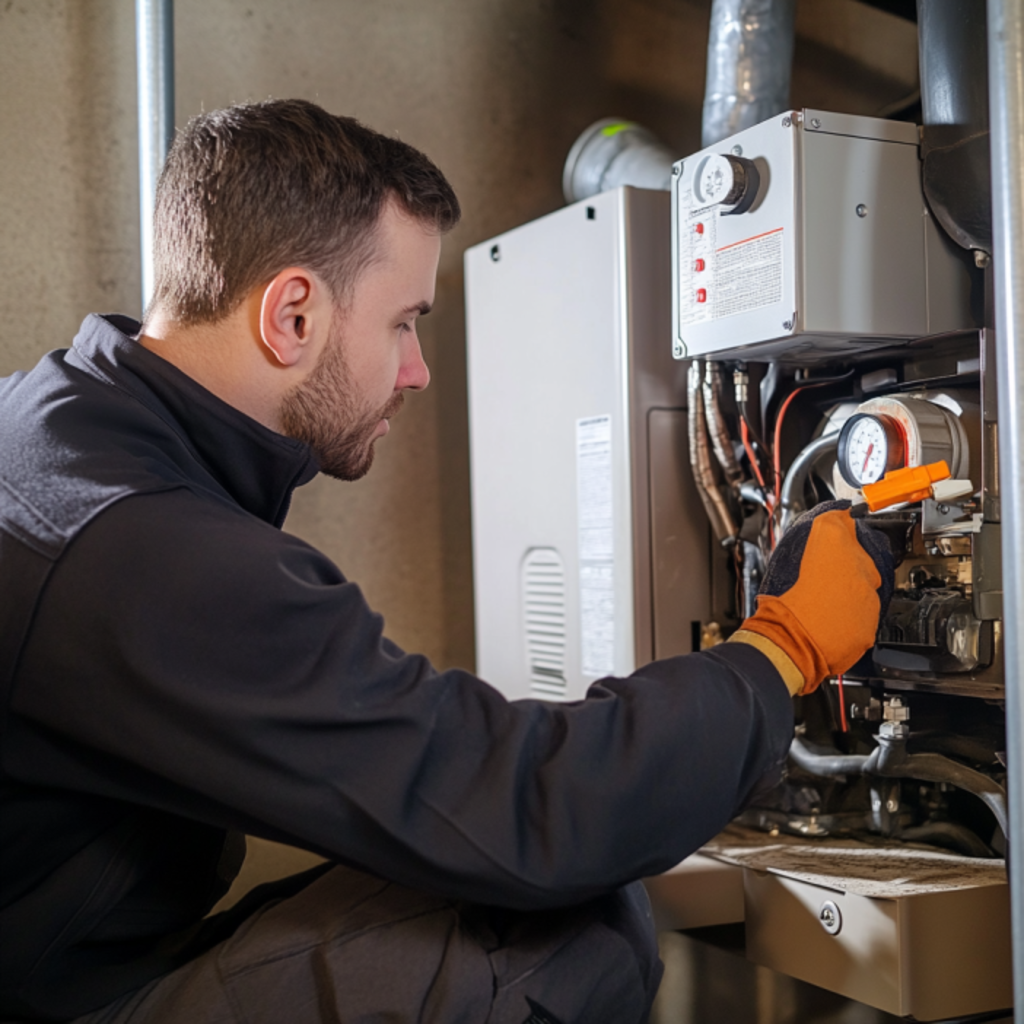
Smart Ways to Trim Your Energy Bills with HVAC Efficiency Tips
Consistent HVAC tune-ups, smart thermostat installations, high-efficiency equipment upgrades, thorough air-sealing, and professional energy audits are all proven strategies for reducing your energy expenses. In Baltimore’s dynamic climate, heating and cooling account for nearly a third of household and commercial utility costs. This guide outlines six key areas—preventative maintenance, smart thermostat setup, efficient system replacements, duct sealing and insulation, home energy assessments, and commercial HVAC optimization—into straightforward, actionable steps. Leveraging performance data, industry benchmarks, and local expertise, these methods offer homeowners and property managers tangible reductions in seasonal energy usage. As Baltimore’s go-to HVAC specialists, Tario HVAC brings precision and local knowledge to every energy-saving solution.
How Does Regular HVAC Maintenance Help Lower Your Energy Bills?
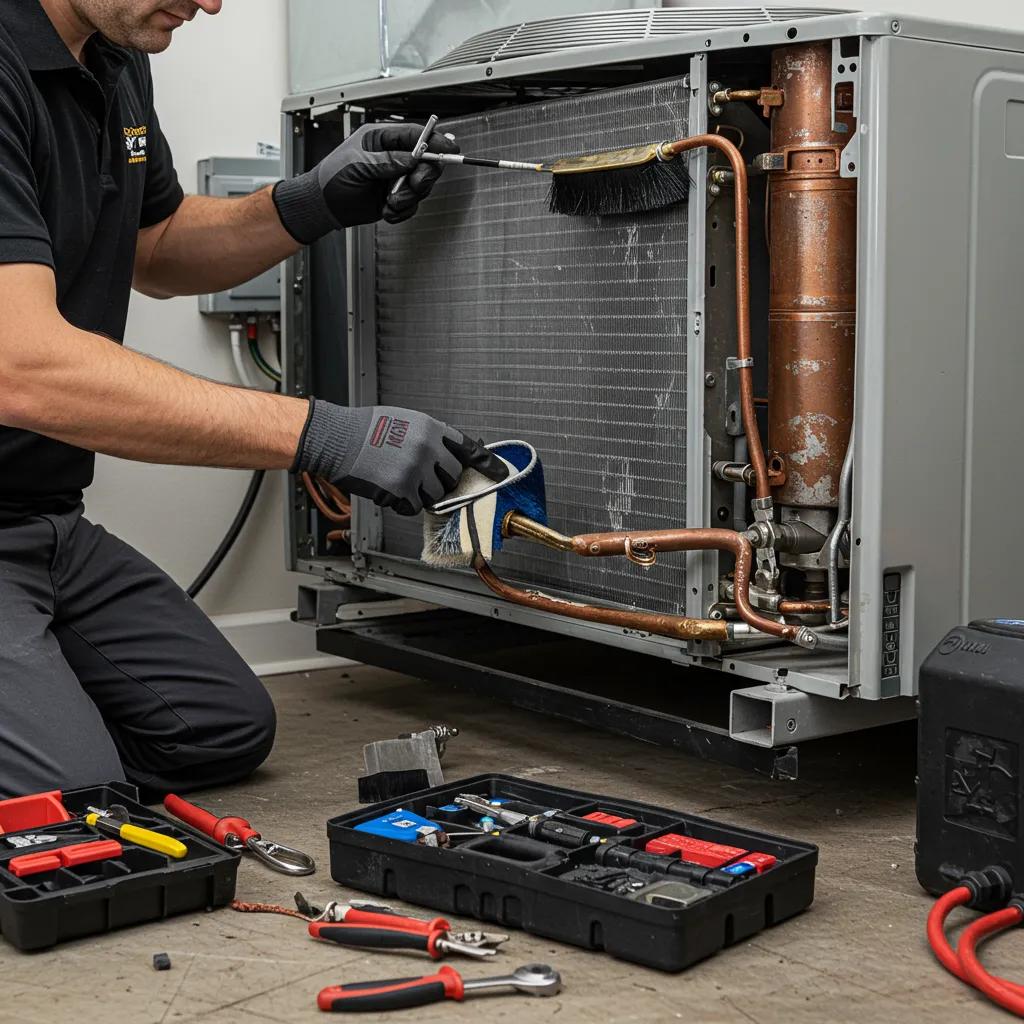
Routine HVAC maintenance involves a methodical process of inspecting, cleaning, and fine-tuning system components to ensure they operate at peak efficiency. By clearing dust from coils, lubricating moving parts, and calibrating controls, maintenance reduces system strain and cuts down on energy consumption. Tario HVAC offers expert maintenance plans specifically designed for Baltimore homes and businesses, ensuring your equipment runs smoothly and preventing unexpected failures. Consistent upkeep enhances airflow, stabilizes temperature regulation, and extends the lifespan of your equipment—leading to annual savings of 5–15 percent on heating and cooling expenses. Proper maintenance also establishes a performance baseline, making it easier to monitor future efficiency improvements and identify potential issues early on.
A thorough preventive maintenance program has been shown to significantly boost HVAC system efficiency and deliver cost savings.
Preventive maintenance is far more effective than emergency repairs, as it helps avoid costly downtime and inflated utility bills caused by clogged filters or worn-out parts. When technicians replace filters before they become restrictive, the system requires less energy to move air. Cleaning the coils restores heat-exchange efficiency, which directly reduces compressor operating time. Scheduled inspections by Tario HVAC professionals include safety checks and thermostat calibration, reinforcing cost savings and indoor comfort. With every service, our clients in the Baltimore metropolitan area receive detailed reports that connect each maintenance task to projected improvements in energy usage.
What Are the Key HVAC Maintenance Tasks for Energy Efficiency?
| Maintenance Task | Purpose | Estimated Annual Savings |
|---|---|---|
| Air Filter Replacement | Prevents airflow restriction | 5–10 percent |
| Coil Cleaning | Restores heat transfer efficiency | 5–12 percent |
| Refrigerant Level Check | Ensures proper cooling capacity | 3–8 percent |
| Blower Motor Lubrication | Reduces mechanical friction | 2–5 percent |
| Thermostat Calibration | Maintains setpoint accuracy | 1–3 percent |
How Much Can You Save by Replacing Air Filters and Cleaning Coils?
Replacing air filters and cleaning coils provides immediate, measurable benefits. Clean filters improve airflow, allowing fans to use less electricity and reducing energy consumption by up to 10 percent. Coil cleaning removes insulating debris that can increase compressor run time by over 15 percent if left unaddressed. For Baltimore homeowners, this can translate to monthly utility bill reductions of 5–15 percent simply by maintaining these components. Combining both tasks amplifies savings, with many properties seeing up to 20 percent lower seasonal heating and cooling costs. These simple actions demonstrate how minor maintenance investments lead to significant financial relief.
Why Is Preventative HVAC Maintenance Better Than Reactive Repairs?
Preventative HVAC maintenance is more effective at reducing energy bills than reactive repairs because it addresses inefficiencies before they become major problems. Unchecked dust buildup, refrigerant leaks, or misaligned belts can increase a system’s energy usage by 30 percent or more. Scheduled tune-ups from Tario HVAC prevent these issues through systematic checks and component adjustments. A proactive maintenance plan not only lowers monthly energy consumption but also minimizes emergency service calls and the need for premature equipment replacement. The outcome is consistent comfort with predictable expenses and a longer operational life for your heating and cooling system.
How Does Duct Inspection and Sealing Improve Energy Savings?
Duct inspection and sealing target hidden air leaks that compromise HVAC efficiency. Unsealed and poorly connected ducts allow conditioned air to escape into unconditioned spaces, increasing energy use by an average of 15 percent. By identifying leaks through pressure testing and sealing joints with specialized mastic and metal tape, Tario HVAC ensures that all conditioned air reaches your living or working areas. Properly sealed ductwork stabilizes temperature distribution, reduces system cycling, and lowers overall energy consumption. Addressing duct leakage primes your HVAC system for upgrades or thermostat adjustments, enabling even greater savings.
Sealing ducts, especially in large commercial buildings, can lead to substantial energy savings by reducing the necessary fan flow rates and overall power consumption.
What Are the Benefits of Installing Smart Thermostats for Energy Management?
Smart thermostats offer precise temperature control, scheduling, and usage analytics that enhance comfort while reducing utility bills. By learning occupancy patterns and automatically adjusting temperature settings, these devices can decrease heating and cooling runtimes by up to 18 percent. Tario HVAC specializes in installing programmable and Wi-Fi-enabled thermostats tailored for Baltimore properties, seamlessly integrating them with your existing HVAC systems. Advanced features like remote monitoring and adaptive learning optimize energy use and provide valuable insights into daily consumption habits. Consequently, homeowners and commercial managers benefit from both convenience and significant cost reductions.
Smart thermostat installation also supports zoning strategies, directing heating or cooling only to occupied areas, which further minimizes waste. When paired with occupancy sensors and voice controls, these systems integrate into modern smart-home ecosystems, reinforcing energy-saving behaviors. The initial investment in smart thermostat installation technology often pays for itself within one to two years through lower energy bills and extended equipment lifespan.
The effectiveness of smart thermostats in managing home energy consumption is often attributed to sophisticated algorithms that learn user behavior and environmental conditions.
How Do Programmable and Smart Thermostats Lower Utility Bills?
Programmable and smart thermostats reduce utility bills by automatically adjusting temperature settings during unoccupied periods. By lowering heating by 7–10 degrees overnight or when the building is empty, these devices can cut heating costs by up to 10 percent and cooling costs by 15 percent. Machine-learning algorithms further refine schedules based on real-time weather data and occupancy patterns. Integration with mobile apps allows for remote temperature adjustments, preventing unnecessary system operation. Collectively, these capabilities reduce overall HVAC runtime, directly leading to lower monthly energy expenses.
What Features Should You Look for in a Smart Thermostat?
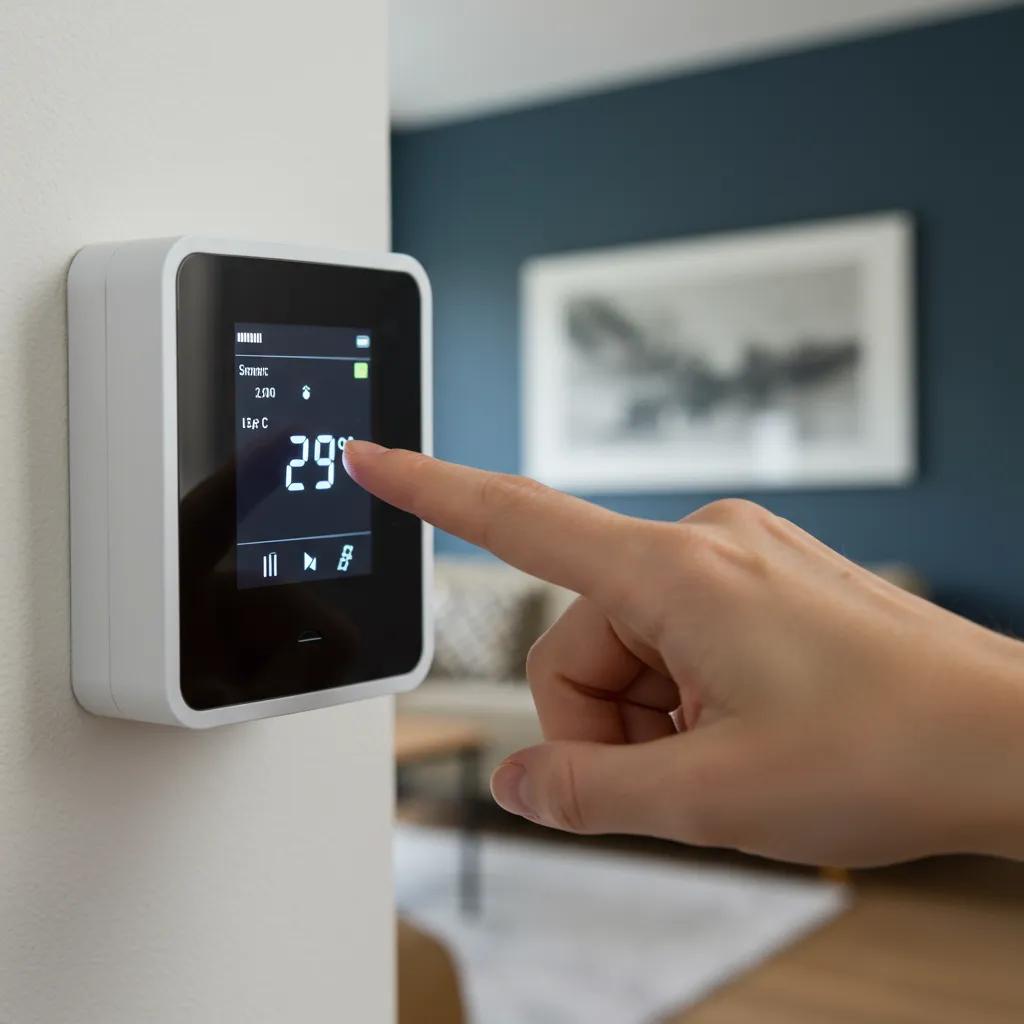
- Learning Algorithms that adapt temperature settings based on actual occupancy and comfort preferences.
- Remote Access via smartphone or web portal for adjustments from anywhere.
- Multi-Zone Control compatibility for optimizing distinct areas independently.
- Energy Usage Reports that offer actionable insights and estimated monthly savings.
- Voice Assistant Integration for convenient hands-free operation and quick overrides.
Each feature contributes to a comprehensive energy management solution that minimizes waste and empowers informed temperature control decisions.
How Does HVAC Zoning with Smart Controls Optimize Energy Use?
HVACzoning divides a property into multiple conditioned zones, each with independent thermostatic control, ensuring heating or cooling is applied only where needed. Smart dampers and thermostats work together to balance airflow, minimizing energy spent on unoccupied areas. In commercial settings, zoning prevents one tenant’s temperature preferences from affecting another’s energy costs. Residential applications allow homeowners to turn off heating in rarely used rooms, reducing energy consumption by up to 30 percent. This targeted approach also reduces system cycling, extending equipment life and delivering sustained cost savings.
How Can Upgrading to Energy-Efficient HVAC Systems Cut Your Energy Consumption?
Upgrading to high-efficiency HVAC systems means replacing older equipment with models designed for reduced power consumption and advanced heat exchange. Modern heat pumps, furnaces, and air conditioners that meet the latest SEER2 and HSPF2 standards are up to 50 percent more efficient than units installed just a decade ago. By converting energy into climate control with minimal loss, these systems significantly reduce carbon footprints and lower utility bills. In Baltimore’s climate, upgrading to a heat pump can cut winter heating costs by 20–40 percent and summer cooling costs by 15–30 percent. Tario HVAC guides clients through equipment selection, sizing, and installation to maximize these benefits.
System upgrades also ensure compliance with upcoming refrigerant regulations, extending system service life and maintaining performance. Efficiency gains compound over years of operation, offering a reliable path to substantial long-term savings and environmental responsibility.
How Do Heat Pumps Compare to Traditional Heating and Cooling Systems?
Heat pumps combine heating and cooling functions in a single unit by transferring heat rather than generating it through combustion or resistive elements. This process allows heat pumps to deliver 3–5 units of thermal energy for every unit of electricity consumed, whereas furnaces convert fuel to heat with efficiencies around 80–95 percent. In Baltimore’s moderate winters, high-efficiency heat pumps achieve annual energy savings of 20–40 percent over gas furnaces and conventional air conditioners. The absence of onsite combustion also simplifies maintenance and reduces carbon emissions, offering both cost and environmental advantages.
How Can Energy-Efficient Furnaces and Air Conditioners Lower Your Bills?
Energy-efficient furnaces and air conditioners feature advanced heat exchanger designs, variable-speed compressors, and precise controls to minimize energy waste. Variable-speed motors adjust airflow to match the heating or cooling demand, reducing electrical draw during partial load conditions. Furnaces with condensing heat exchangers extract latent heat from exhaust gases, achieving fuel utilization rates above 90 percent. In practical terms, upgrading to ENERGY STAR-rated HVAC equipment can reduce household heating and cooling expenses by 20–50 percent. These performance enhancements translate directly into lower monthly utility bills and a smaller carbon footprint.
How Does Ductwork Sealing and Home Insulation Contribute to Lower Energy Bills?
Duct sealing and home insulation strengthen the building envelope, preventing conditioned air from escaping and unconditioned air from entering. Effective insulation slows heat transfer through walls and ceilings, while sealed ductwork ensures that 100 percent of conditioned air reaches living spaces. Together, these measures can save up to 25 percent on heating and cooling costs. In Baltimore’s climate, combining attic insulation with professional duct sealing helps stabilize indoor temperatures and reduces HVAC runtime. Tario HVAC’s integrated services ensure that both envelope improvements and system optimization deliver maximum savings.
What Are the Most Effective Methods for Sealing Air Leaks in Ducts?
- Mastic Sealant applied to seams for airtight connections.
- Metal Foil Tape used on rigid connections to prevent adhesive failure.
- Aerosol Sealant injected into pressurized ducts to seal hard-to-reach leaks from the inside.
Each method addresses different types of leaks, and together they can reduce duct losses by 80–90 percent. Properly sealed ducts promote balanced airflow and prepare the system for advanced thermostat controls and equipment upgrades.
How Does Proper Insulation Enhance HVAC System Efficiency?
Proper insulation reduces thermal transfer through building materials by up to 90 percent compared to uninsulated surfaces. Insulation levels of R-38 or higher in attics and R-13 or higher in walls help maintain stable indoor comfort, decreasing the frequency of HVAC cycling. Slower heat gain in the summer and heat loss in the winter means shorter compressor runtimes and less energy consumption. Insulated homes also experience more consistent temperature distribution, allowing for lower thermostat settings without sacrificing comfort. This synergy between insulation and HVAC optimization drives sustained cost savings and improves equipment longevity.
What Weatherization Steps Can Baltimore Homeowners Take for Energy Savings?
- Seal gaps around windows and doors using caulk and weatherstripping.
- Install high-performance window films or insulated drapes.
- Add door sweeps and threshold seals to prevent drafts.
- Insulate hot water pipes and water heaters to minimize standby heat loss.
Each step reduces unwanted heat transfer and lessens the workload on heating and cooling systems. By integrating these weatherization tactics with professional duct sealing and maintenance, energy savings compound, leading to more predictable utility bills.
Why Should You Consider a Professional Home Energy Audit for HVAC Savings?
A professional home energy audit offers a comprehensive evaluation of inefficiencies within both the building envelope and the HVAC system. Certified auditors utilize diagnostic tools to pinpoint thermal leaks, insulation gaps, and system performance issues. Unlike DIY assessments, professional audits quantify energy loss through standardized tests and provide customized recommendations that directly target problem areas. Engaging Tario HVAC’s audit service connects findings to actionable service plans—ranging from duct sealing to equipment upgrades—ensuring targeted investments that yield measurable energy savings.
What Does a Home Energy Audit Include and How Does It Identify Inefficiencies?
An energy audit begins with a thorough visual inspection of insulation, HVAC components, and the integrity of the building envelope. Auditors then perform blower door tests to measure airtightness and use infrared camera scans to reveal hidden thermal bridges. By combining these diagnostic techniques with utility bill analysis and system performance data, the audit identifies the most cost-effective efficiency improvements. The result is a prioritized list of recommendations—each linked to estimated energy savings and payback periods—that guides strategic upgrades and maintenance investments.
What Customized Recommendations Can You Expect from an Energy Audit?
Energy audits provide tailored action plans that may include duct sealing, insulation upgrades, thermostat retrofits, and system tune-ups. Each recommendation is paired with an estimated cost, projected energy savings, and payback timeframe. Audit reports also highlight local incentives or rebates to help offset upgrade expenses. For Baltimore homeowners and commercial managers, this customized blueprint clarifies which efficiency measures offer the highest return on investment and paves the way for sustainable comfort.
What Energy-Saving HVAC Solutions Are Available for Commercial Properties in Baltimore?
Commercial properties face distinct energy challenges due to larger loads, variable occupancy, and complex duct and control systems. Preventative maintenance contracts, advanced building management systems, and strategic equipment upgrades can collectively reduce operational costs by 10–20 percent annually. Tario HVAC supports commercial clients with customized service agreements, automated controls, and data-driven energy management plans. These integrated solutions deliver sustainable savings while maintaining occupant comfort and regulatory compliance.
How Can Commercial HVAC Preventative Maintenance Reduce Energy Costs?
Commercial preventative maintenance extends the principles of residential tune-ups to larger systems involving multiple air handlers, chillers, and rooftop units. Scheduled filter changes, coil cleaning, and motor inspections reduce energy waste and prevent costly downtime. In large facilities, maintenance can achieve 10–20 percent reductions in energy use by restoring design airflow and minimizing unplanned shutdowns. Digital monitoring of critical parameters further ensures that issues are flagged before they escalate, enhancing efficiency and lowering operational expenditures.
What Role Do Building Management Systems Play in Energy Optimization?
Building management systems (BMS) coordinate heating, cooling, ventilation, and lighting across commercial spaces to maintain optimal performance. Through centralized control platforms and real-time sensors, BMS adjust settings based on occupancy, weather, and energy price signals. Integration with smart thermostats and advanced occupant sensors enables demand-response strategies that shift loads during peak pricing periods. By automating these controls, commercial managers can achieve 15–25 percent annual energy savings and gain actionable usage data for continuous optimization.
What Are the Top Everyday Tips to Reduce Home Energy Consumption Beyond HVAC?
Reducing energy bills extends beyond heating and cooling systems to encompass daily habits, appliance choices, and smart integrations. Simple behavioral changes—such as setting water heaters to an efficient temperature, unplugging idle electronics, and washing clothes in cold water—contribute incremental savings. Upgrading to ENERGY STAR-rated appliances and LED lighting can reduce household electricity consumption by up to 20 percent. Smart power strips, motion-sensing lights, and home automation complement HVAC efficiency efforts, creating a comprehensive energy-saving ecosystem.
How Can Smart Home Technology Complement HVAC Energy Savings?
Smart home devices integrate with HVAC controls to create responsive energy management networks. Occupancy sensors trigger temperature setbacks when rooms are vacant. Smart lighting and switch systems power down appliances at night. Voice-activated controls allow for quick adjustments without manual thermostat interaction. Energy dashboards consolidate data from thermostats, lights, and appliances, providing homeowners with a unified view of consumption patterns. This cohesive approach reinforces efficiency habits and amplifies the savings achieved through HVAC improvements.
What Simple Behavioral Changes Lower Utility Bills Quickly?
- Lower thermostat settings by 2 degrees in winter and raise by 2 degrees in summer.
- Use ceiling fans to create a cooler perceived temperature, allowing for higher thermostat setpoints.
- Unplug phone chargers and small electronics when not in use to eliminate phantom energy loads.
- Run major appliances, such as dishwashers and washing machines, during off-peak hours.
Each behavioral change reduces energy draw and works in conjunction with HVAC savings strategies, creating a more efficient home environment.
How Do Energy-Efficient Appliances and Lighting Impact Overall Energy Use?
Energy-efficient appliances and LED lighting reduce electrical demand, easing the load on HVAC systems and electrical infrastructure. LEDs consume up to 80 percent less energy than incandescent bulbs and last 15 times longer. ENERGY STAR refrigerators, washers, and dryers optimize motor operation and insulation to cut appliance energy use by up to 30 percent. By shifting major energy loads away from peak HVAC demand periods, these upgrades lower combined utility costs and enhance overall system performance.
Experience the difference that expert HVAC service and energy-smart solutions can make—contact the professionals at Tario HVAC to schedule maintenance, thermostat installation, or a comprehensive energy audit today. Our Baltimore-based team partners with homeowners and commercial property managers to implement tailored strategies that reduce energy consumption, extend equipment life, and lower utility bills. Take the first step toward sustainable savings by exploring energy-efficient upgrades and preventative maintenance plans designed for lasting comfort and cost control.
